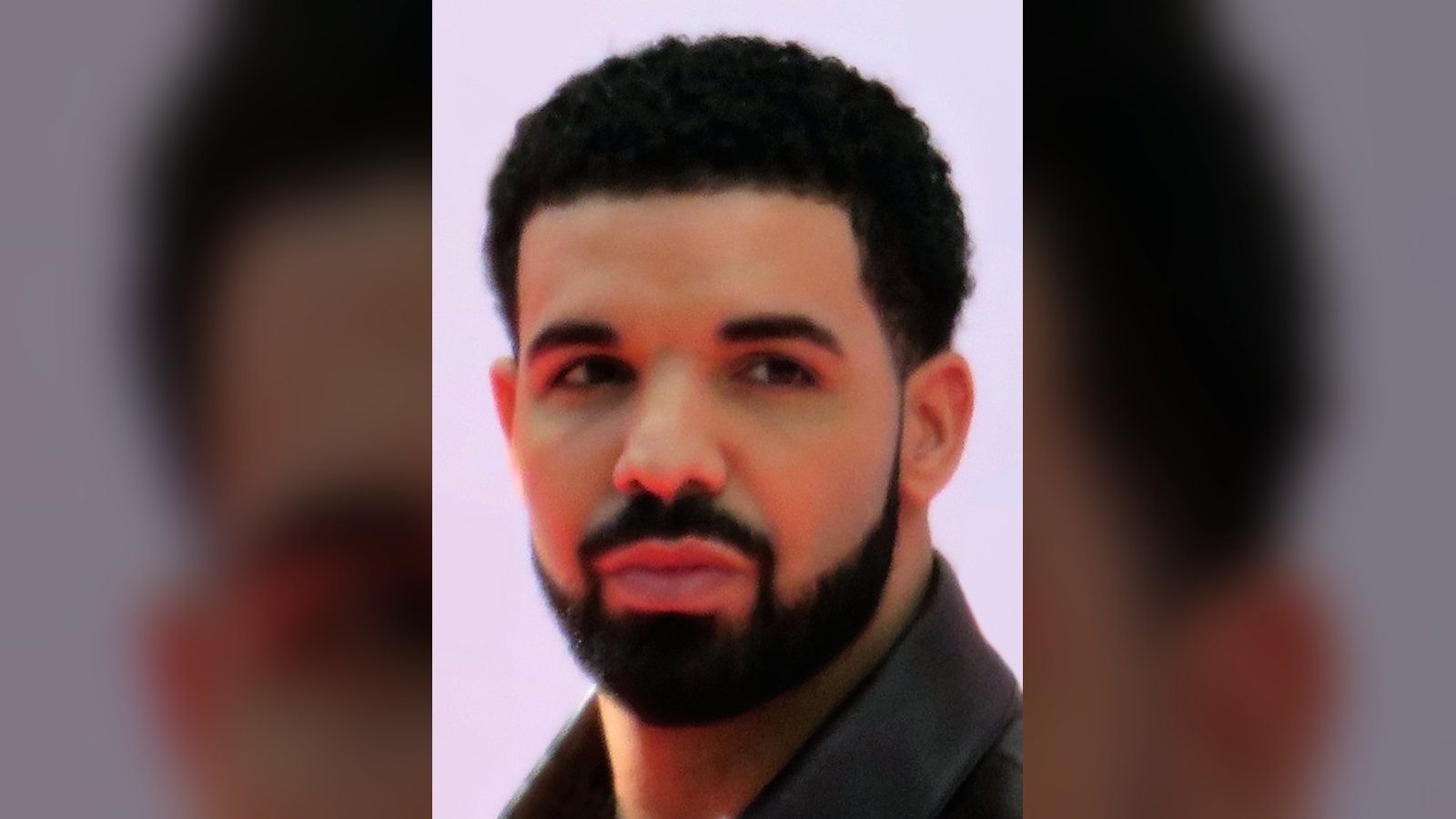
“One Dance” is Drake’s 2016 hit featuring Nigerian star Wizkid and British singer Kyla. It is built on a UK funky sample and has a West African bounce, and it became Drake’s first Billboard Hot 100 number one as a lead artist. Here is how the song came together, what it says, and why it matters to the African music story.
Last checked: October 29, 2026.
The Story Behind One Dance
Drake premiered “One Dance” on his OVO Sound Radio show on Beats 1 in April 2016. “Pop Style” premiered the same night. Both served as lead singles for Views, which arrived later that month.
The song’s foundation is older than you might think. It samples Kyla’s “Do You Mind,” specifically the Crazy Cousinz remix. That remix was a UK funky club staple in the late 2000s. Kyla’s chopped vocal gives the track its yearning hook.
UK funky itself borrows from house, soca and African percussion. So the sample already carried a diaspora groove before Drake touched it.
Who made the beat
The production credits explain a lot. Three producers are listed:
- Nineteen85, Drake’s longtime OVO collaborator from Toronto
- Wizkid, who also appears as a vocalist
- DJ Maphorisa, the South African producer from Mamelodi
Maphorisa’s involvement is a detail many listeners miss. He later became an Amapiano heavyweight, partly through his Scorpion Kings duo with Kabza De Small. On “One Dance,” you hear a producer who already understood how African rhythm moves a dance floor.
The Wizkid connection
Drake and Wizkid had already crossed paths in 2015. Drake jumped on the remix of Wizkid’s “Ojuelegba,” alongside Skepta. That remix put a Lagos street anthem in front of a global audience.
“One Dance” returned the favour on a much bigger stage. Wizkid’s vocal part is short. Still, his presence on the credits carried weight for a Nigerian artist in 2016.
The Afrobeats Roots, Explained
Call “One Dance” a hybrid. It sits where three sounds overlap.
| Ingredient | Where you hear it |
|---|---|
| UK funky | The Kyla sample and its swung rhythm |
| Afrobeats | The bouncing, mid-tempo groove and Wizkid’s role |
| Dancehall | The relaxed, island-leaning feel Drake leaned into on Views |
The tempo is slow and swaying, closer to a Lagos party record than a US rap single. The drums leave space. That restraint is a hallmark of modern Afrobeats music, which grew from Nigerian and Ghanaian pop, highlife and hip-hop.
You should keep one distinction in mind. Afrobeats, with an “s,” is the contemporary pop sound. Afrobeat, without it, is Fela Kuti’s political, horn-driven genre from the 1970s. “One Dance” belongs to the first family.
Myth
“One Dance” is a pure Afrobeats song. It is a blend: a UK funky sample, Afrobeats rhythm and a dancehall mood, assembled by Canadian, Nigerian and South African producers.
What the Song Means
The lyrics are simple on purpose. Drake asks for one more dance before he has to leave. He’s holding a drink, the night is ending, and he wants a moment of release.
Kyla’s hook repeats the plea for “one dance” like a mantra. It sounds hopeful and a little lonely. That tension suits Drake’s brand of moody club music.
There’s also a hint of strain under the fun. Drake mentions people pulling at him and pressure building. The dance becomes an escape from all of it.
The Chart Run
“One Dance” became one of the biggest songs of the decade. These are its headline achievements:
- Billboard Hot 100: Number one for 10 weeks in 2016, Drake’s first chart-topper as a lead artist
- UK Official Singles Chart: Number one for 15 consecutive weeks, among the longest runs in UK chart history
- Spotify: The first song to pass one billion streams on the platform, a milestone reported in late 2016
- Global reach: Topped charts in Canada and many other countries
One context note matters here. Billboard’s U.S. Afrobeats Songs chart did not exist until 2022. So “One Dance” never appeared on it, despite its influence on that market.
Why It Matters for African Music
Before 2016, African pop rarely sat at the top of US and UK charts. “One Dance” showed labels that an Afrobeats-leaning groove could dominate streaming worldwide.
The years that followed proved the point. Wizkid released “Come Closer” with Drake in 2017. Later came “Essence” with Tems, Burna Boy‘s Grammy win and Rema’s global run with “Calm Down.”
Drake kept returning to the well too. Tems appeared on “Fountains” from Certified Lover Boy in 2021. Each collaboration built on the door “One Dance” helped open.
You can argue about how much credit Drake deserves. Many in Lagos rightly point out that Afrobeats was rising on its own. Still, the song widened the audience at a crucial moment.
Listen next
Play Wizkid’s “Ojuelegba” remix with Drake and Skepta to hear where the partnership started.
FAQ
Who sings on “One Dance”?
Drake leads the song. Wizkid features, and Kyla’s vocal comes from her sampled track “Do You Mind.”
Is “One Dance” an Afrobeats song?
It is partly Afrobeats. The track blends Afrobeats rhythm with UK funky and dancehall touches.
What song does “One Dance” sample?
It samples the Crazy Cousinz remix of Kyla’s “Do You Mind,” a UK funky club favourite.
Who produced “One Dance”?
Nineteen85, Wizkid and DJ Maphorisa are credited as producers.
How long was “One Dance” number one?
It spent 10 weeks at number one on the Billboard Hot 100. In the UK, it held the top spot for 15 straight weeks.
What album is “One Dance” on?
It appears on Drake’s fourth studio album, Views, released in April 2016.