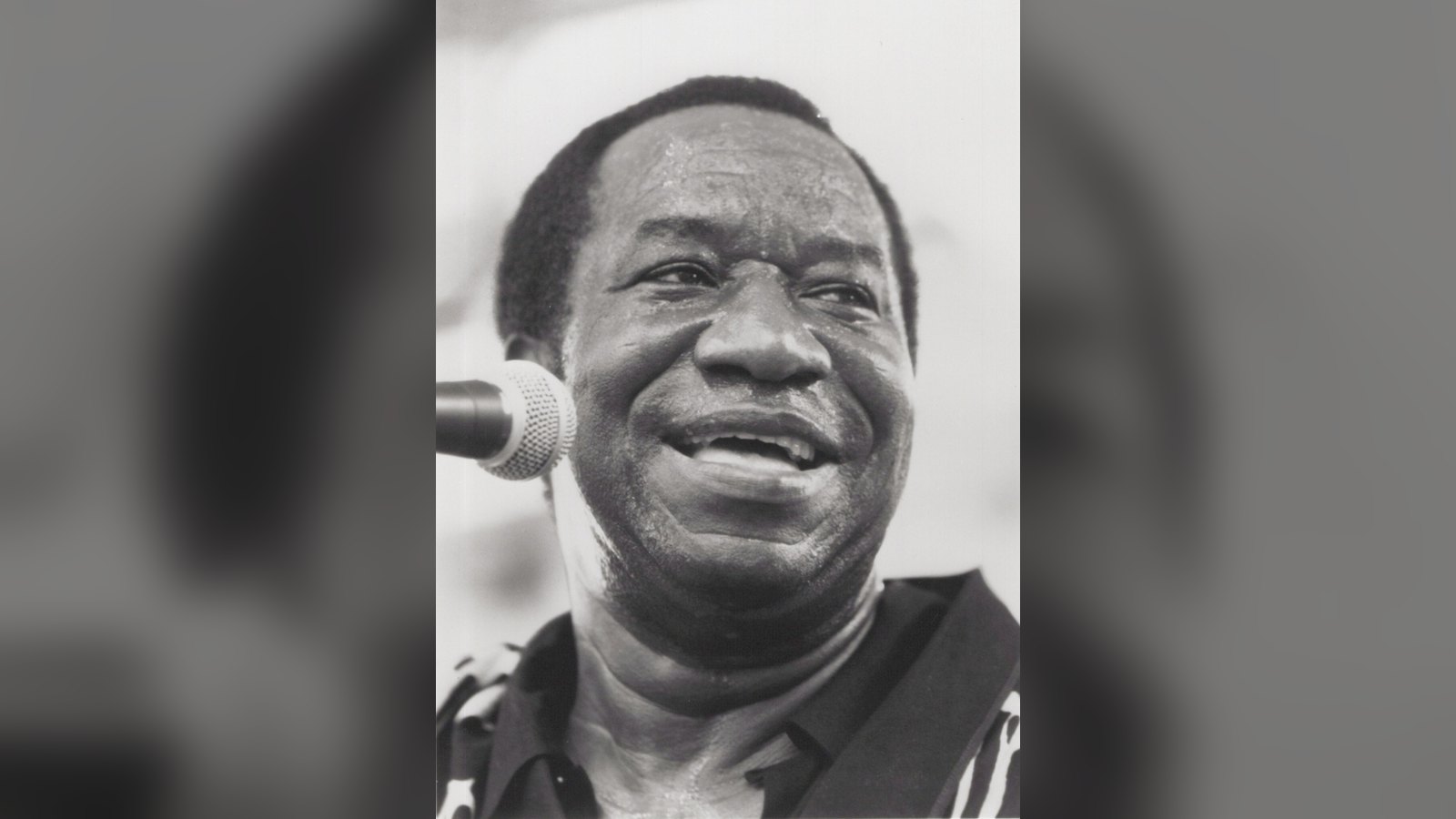
Tabu Ley Rochereau was the Congolese singer, songwriter and bandleader who helped turn rumba into Africa’s most influential pop sound between the 1960s and 1980s. His clarion, honeyed baritone, his bands African Fiesta and Afrisa International, and his landmark 1970 concert at the Paris Olympia made him a giant of the golden age. If you searched “tabuley” as one word, this is the same artist.
FromBagata, Congo
GenreCongolese rumba
BreakoutEarly 1960s
BandAfrisa International
Who Tabu Ley Was
He was born Pascal-Emmanuel Sinamoyi Tabu. Most sources give 1940 as his birth year, and some give 1937. As a schoolboy in Léopoldville (now Kinshasa), he earned the nickname Rochereau. He used it for decades until Mobutu’s authenticité campaign pushed Zairians to drop European names. He then became Tabu Ley, and fans added the honorific Seigneur.
Myth
Many listeners assume Rochereau was a family name. It was a school nickname taken from Pierre Denfert-Rochereau, a French colonel who led the defence of Belfort in 1870–71. It had nothing to do with his ancestry.
Career Timeline
1959: Joins Joseph “Grand Kallé” Kabasele’s African Jazz, the band behind “Indépendance Cha Cha.” This was his apprenticeship.
1963: Leaves with guitarist Docteur Nico (Nicolas Kasanda) to form African Fiesta. Their partnership produced some of the era’s most liked records.
Mid-1960s: The pair split. Nico runs African Fiesta Sukisa, and Rochereau leads African Fiesta National.
1970: In December, he plays the Paris Olympia, becoming the first sub-Saharan African artist to perform there and the second African artist overall, after Egyptian singer Umm Kulthum. The same year, his band becomes Afrisa International.
Early 1970s: He adopts the name Tabu Ley under authenticité.
Early 1980s: Mbilia Bel joins Afrisa. Their duets become a second golden run.
Late 1980s: He goes into exile abroad as political pressure in Zaire grows.
1997: He returns after Mobutu’s fall and serves in Laurent-Désiré Kabila’s government.
2013: He dies in Brussels on 30 November after years of ill health following a stroke.
Why His Music Still Matters
I hear three things that set Tabu Ley apart from his peers.
The first is the voice. Franco’s TPOK Jazz had grit and swagger. Rochereau sang with a lightness that made even sad songs float.
The second is staging. He brought a drum kit and dancers into rumba shows built for theatres, and the Olympia date proved Congolese music could sell to an international audience on its own terms.
The third is talent spotting. Sam Mangwana sang with him early on, and Mbilia Bel became a star through Afrisa. Guitarists like Michelino Mavatiku shaped the band’s sound.
The rhythmic DNA of that era runs straight into modern West African pop. Our explainer on what Afrobeats music is and where it came from covers that lineage in more detail.
Best Songs to Start With
“Mokolo Nakokufa”: The title means roughly “the day I die.” He imagines how different people will react to his death, and it is witty and morbid at once.
“Pitié”: A pleading love song that shows off his tenor.
“Muzina”: One of his signature tracks and a staple of his compilations.
“Kaful Mayay”: A gorgeous, slow-building Afrisa recording.
“Nakei Nairobi”: A duet with Mbilia Bel that nods to his huge East African following.
“Sorozo”: Pure dance-floor rumba with a long guitar section.
Essential Albums
Album
Label
Why it matters
The Voice of Lightness (Vol. 1 and 2)
Sterns Africa
The best consolidated overview of his 1960s and 1970s peak
Babeti Soukous
Real World (1989)
A live-in-studio set aimed at world music listeners
These compilations are the easiest way to hear the early catalogue. The original singles were scattered across many labels and are hard to find on vinyl.
Milestones and Honours
Year
Milestone
1970
Headlines the Paris Olympia
1997
Appointed to Congo’s government after returning from exile
2021
UNESCO inscribes Congolese rumba as intangible cultural heritage
The 2021 UNESCO listing recognised the genre as a whole rather than him personally. Still, I can’t think of anyone whose passion did more to earn it. Obituaries credit him with writing songs numbering in the thousands, though no exact count has ever been verified.
Listen next
Put on Franco and TPOK Jazz’s “Mario” to hear the rival school of golden-age rumba.
Similar Artists
If Tabu Ley clicks for you, try these next:
Franco Luambo Makiadi: His great rival.
Docteur Nico: His former partner, known for brilliant guitar work.
Grand Kallé: The bandleader who gave him his start.
Sam Mangwana and Mbilia Bel: Two singers who came up through his bands.
Papa Wemba: A star of the next generation, through Zaïko Langa Langa and Viva La Musica.
For another golden age that grew up in parallel, our guide to the music of Ethiopia, from azmari traditions to Ethio jazz, is a good companion read.
FAQ
Is “tabuley” the same as Tabu Ley?
Yes. “Tabuley” is a common search spelling of Tabu Ley, the name the artist adopted in the early 1970s. Earlier records credit him as Rochereau or Tabu Ley Rochereau.
What instruments did his bands use?
His bands used interlocking electric guitars, bass, a horn section and percussion. Under Tabu Ley, the drum kit also became standard.
Burna Boy is Damini Ebunoluwa Ogulu, a Nigerian singer from Port Harcourt who turned his Afro-fusion sound into a Grammy win and sold-out stadiums on three continents. This guide covers his background, every studio album, the songs and collaborations that defined each era, and the awards record behind his “African Giant” nickname.
Last updated: October 29, 2026
Real nameDamini Ebunoluwa Ogulu
FromPort Harcourt, Nigeria
GenreAfro-fusion, Afrobeats
Breakout2012, "Like to Party"
LabelSpaceship, Bad Habit, Atlantic
Who Burna Boy is, in short
Burna Boy was born on July 2, 1991, in Port Harcourt, Rivers State. He blends Nigerian pop, Fela-era Afrobeat, dancehall, reggae and hip-hop into a style he calls Afro-fusion.
He has released eight studio albums. The fifth, Twice as Tall, won the Grammy for Best Global Music Album in 2021.
He is also one of the few African acts who can sell out a stadium in London or New York on his own name. That is the benchmark that sets him apart from most of his peers.
Early life in Port Harcourt and the Fela connection
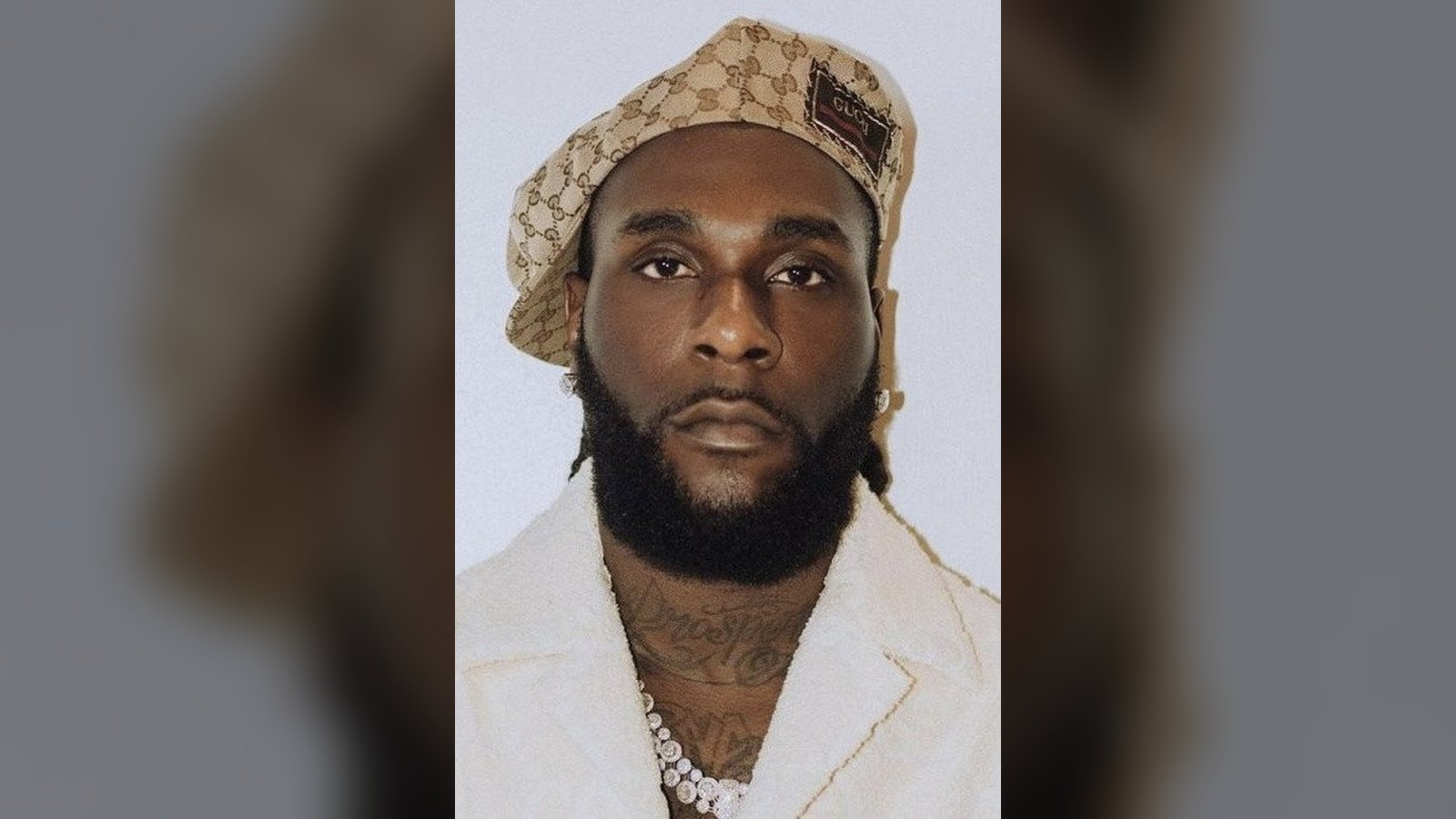
Burna Boy. Photo: Wikimedia Commons
Burna Boy grew up in a household where music history was family history. His maternal grandfather, Benson Idonije, is a veteran Nigerian broadcaster and music critic. Idonije was also Fela Kuti’s first manager.
That link explains a lot about Burna Boy’s records. You hear Fela’s horn lines, his long grooves and his political anger all over the albums from Outside onwards.
His mother, Bose Ogulu, has managed his career for years. She has become a public figure in her own right through her acceptance speeches on his behalf. The best known came at the 2019 BET Awards, when she told Black viewers worldwide to remember their African roots.
As a teenager he moved to the UK to study, then returned to Nigeria without finishing his degree. Back home, he began recording seriously in Lagos.
Myth
Burna Boy is often described online as Fela Kuti’s grandson. He is not related to Fela. His grandfather Benson Idonije managed Fela early in his career, and that is the real family connection.
Career timeline
2012: “Like to Party,” produced by Leriq, becomes a Nigerian club and radio hit on Aristokrat Records.
2013: Debut album L.I.F.E (Leaving an Impact for Eternity) arrives on August 12. He wins Next Rated at the Headies awards that year.
2015: He leaves Aristokrat and releases On a Spaceship on his own Spaceship imprint.
2017: He signs with Bad Habit and Atlantic Records, giving him international distribution through Warner Music.
2018:Outside drops in January. “Ye” becomes his first global streaming smash.
2019:African Giant lands in July and earns his first Grammy nomination. He features on Stormzy’s “Own It,” a UK No. 1.
2020:Twice as Tall follows in August, executive produced by Diddy and Bose Ogulu. In October he releases “20 10 20” in response to the Lekki toll gate shooting during the #EndSARS protests.
2021:Twice as Tall wins Best Global Music Album at the 63rd Grammy Awards.
2022: He headlines Madison Square Garden in April with a show billed as “One Night in Space.” Love, Damini arrives in July, led by “Last Last.”
2023: He headlines London Stadium in June and Citi Field in New York in July. He performs at the UEFA Champions League final opening ceremony in Istanbul. I Told Them… arrives in August.
2024: He performs at the 66th Grammy Awards with Brandy and 21 Savage.
2025: Singles “Update” and “Sweet Love” lead into his eighth album, No Sign of Weakness, released in July.
Stormzy, Chris Martin, Naughty by Nature, Youssou N’Dour
2022
Love, Damini
Spaceship, Bad Habit, Atlantic
Ed Sheeran, J Balvin, Khalid, Kehlani, Ladysmith Black Mambazo
2023
I Told Them…
Spaceship, Bad Habit, Atlantic
J. Cole, 21 Savage, Dave, Seyi Vibez
2025
No Sign of Weakness
Spaceship, Atlantic
Preceded by “Update” and “Sweet Love”
L.I.F.E (2013)
The debut came while “Like to Party” was still everywhere in Lagos clubs. Leriq’s production gave it a reggae and dancehall lean that set Burna apart from the polished pop of the moment.
“Like to Party,” “Tonight” and “Yawa Dey” are the tracks worth revisiting. You can already hear the patois-flecked phrasing he still uses.
On a Spaceship (2015)
This was the independent album, made after a messy exit from Aristokrat. It sold modestly. Still, it established Spaceship as a brand, and he has kept that name on every release since.
Outside (2018)
Outside was his first album with major-label backing. It leaned hard into London, where he had strong ties to the UK Afroswing scene.
Lily Allen joins him on “Heaven’s Gate.” J Hus shows up on “Sekkle and Gallang.” The breakout, though, was “Ye,” which crossed over in a way nobody planned.
African Giant (2019)
This is where the persona clicked. The title responded to a festival billing that he felt undersold him, and the album argued the point for 19 tracks.
“Anybody,” “On the Low,” “Killin Dem” with Zlatan and “Gbona” were all hits in Nigeria. “Another Story,” featuring Ghanaian rapper M.anifest, opens with a history lesson about the colonial sale of the territory that became Nigeria. If you want to know more about him, our M.anifest biography covers the Ghanaian rapper and his career.
African Giant was nominated for Best World Music Album at the 2020 Grammys.
Twice as Tall (2020)
Recorded largely during the pandemic, Twice as Tall is his most deliberately global record. Diddy co-executive produced it with Bose Ogulu.
“Wonderful” opens it with the energy of a stadium anthem. “Monsters You Made,” featuring Coldplay’s Chris Martin, is a furious track about Nigerian governance and Western exploitation. “Level Up,” featuring Senegal’s Youssou N’Dour, nods to the elders.
It won the Grammy in a category that had just been renamed from World Music to Global Music.
Love, Damini (2022)
Love, Damini is the confessional one, and the most commercially successful album of his career so far. It debuted at No. 14 on the Billboard 200.
“Last Last” interpolates Toni Braxton’s “He Wasn’t Man Enough” over a breakup story told in Nigerian Pidgin. The hook’s message, roughly, is that heartbreak ends with a bottle and a smoke. The song peaked at No. 44 on the Billboard Hot 100 and No. 4 on the UK Official Singles Chart, and it topped Billboard’s U.S. Afrobeats Songs chart.
South Africa’s Ladysmith Black Mambazo bookend the album, which gives it a pan-African frame. Ed Sheeran’s “For My Hand” became another crossover moment.
I Told Them… (2023)
The seventh album is his hip-hop record. J. Cole raps on “Thanks.” 21 Savage joins him on “Sittin’ on Top of the World,” which flips Brandy’s 1998 hit “Top of the World.” Wu-Tang Clan’s GZA and RZA appear across the tracklist as spoken-word voices.
“City Boys,” a brash street-pop single, earned a Grammy nomination for Best African Music Performance. The album itself was nominated for Best Global Music Album.
No Sign of Weakness (2025)
The eighth album arrived in July 2025. It followed two 2025 singles that pulled in different directions.
“Update” is a cocky, uptempo return to his Lagos street sound. “Sweet Love” is softer and closer to the lover-man mode of Love, Damini.
We have not confirmed details of any studio album announced after No Sign of Weakness as of this update. Treat any claimed ninth album title or date with caution until his team or label confirms it.
The Burna Boy songs that built the legend
If you are new to his catalogue, these ten tracks give you the full arc:
“Like to Party” (2012): the beginning, with a light reggae bounce and the first sign of his vocal swagger.
“Ye” (2018): a hazy, smoke-heavy groove that became a word-of-mouth phenomenon.
“On the Low” (2018): a minimal, sensual single that later appeared on African Giant, and one of his most-watched YouTube videos of that era.
“Anybody” (2019): pure dancefloor joy with a horn line that nods to Fela.
“Killin Dem” with Zlatan (2019): a street-pop collision with Lagos rapper Zlatan that ruled Nigerian parties.
“Own It” with Stormzy and Ed Sheeran (2019): his first UK No. 1, as a featured artist.
“Wonderful” (2020): the opener of Twice as Tall and his biggest anthem of that cycle.
“Last Last” (2022): his biggest global hit and a breakup song you can dance to.
“City Boys” (2023): the swagger record that he took to the Grammys stage.
“Sittin’ on Top of the World” with 21 Savage (2023): a hip-hop crossover built on an R&B sample.
Collaborations that widened his world
Burna Boy’s guest list is a map of how African music moved into the global mainstream.
In the UK, he worked with Dave on “Location,” which went top 10, and with Jorja Smith on “Be Honest.” Stormzy brought him onto “Own It,” and he returned the favour on “Real Life.”
In the US, Beyoncé put him on “Ja Ara E” from The Lion King: The Gift in 2019. Justin Bieber’s Justice includes “Loved by You,” and Sam Smith recorded “My Oasis” with him in 2020.
The African links matter just as much. Angélique Kidjo, Youssou N’Dour, M.anifest and Ladysmith Black Mambazo all appear on his albums. Those choices show the lineage he wants you to hear.
He has also given feature slots to younger Nigerian acts like Seyi Vibez. That keeps him tied to the Lagos street scene even at stadium level.
Stadiums, football and the live show
Burna Boy’s live career is where his “first African to…” headlines come from.
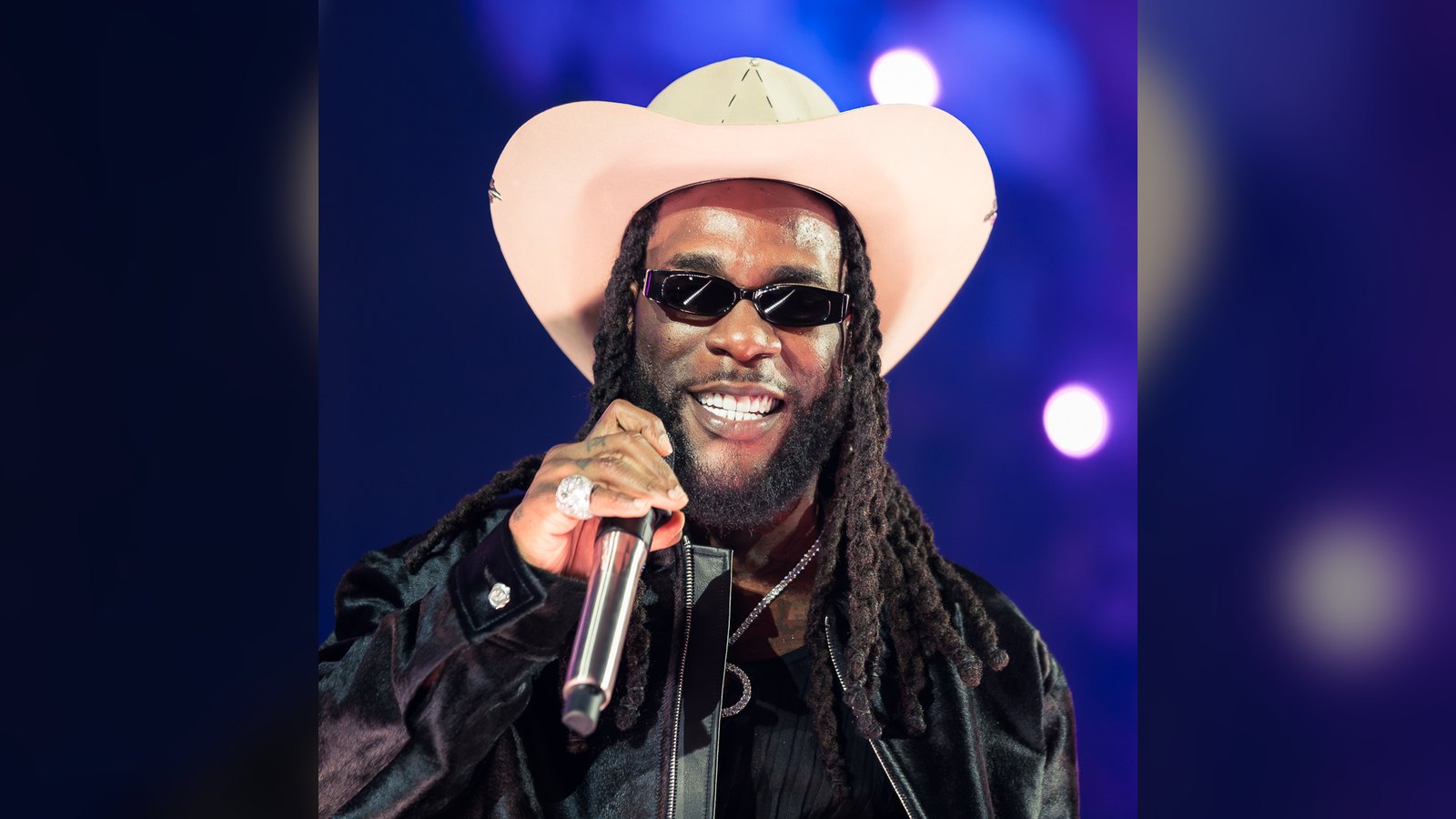
His April 2022 show at Madison Square Garden was widely reported as the first time a Nigerian artist had headlined and sold out the arena. A year later, on June 3, 2023, he played London Stadium. That show was billed as the first time an African artist had headlined a UK stadium. In July 2023 he took the same show to Citi Field in New York.
The show itself is built around a live band, with horns, percussion and backing vocalists. Burna leans on extended jams rather than a backing track, which is the Fela inheritance in practical form. If you watch fan footage from those stadium dates, you will see songs stretch well past their recorded length.
Football has become a parallel stage. He performed at the opening ceremony of the 2023 UEFA Champions League final in Istanbul. Reports also describe Burna Boy at the Ballon d’Or in Paris as the first Nigerian artist to present an award there. Our separate piece covers that appearance in detail.
Burna Boy awards and Grammy record
Year
Award
Category
Work
Result
2013
The Headies
Next Rated
Career
Won
2019
BET Awards
Best International Act
Career
Won
2020
BET Awards
Best International Act
Career
Won
2020
Grammy Awards
Best World Music Album
African Giant
Nominated
2021
Grammy Awards
Best Global Music Album
Twice as Tall
Won
2023
Grammy Awards
Best Global Music Album
Love, Damini
Nominated
2023
Grammy Awards
Best Global Music Performance
“Last Last”
Nominated
2024
Grammy Awards
Best Global Music Album
I Told Them…
Nominated
2024
Grammy Awards
Best African Music Performance
“City Boys”
Nominated
2024
Grammy Awards
Best Global Music Performance
“Alone”
Nominated
2024
Grammy Awards
Best Melodic Rap Performance
“Sittin’ on Top of the World”
Nominated
2025
Grammy Awards
Best African Music Performance
“Higher”
Nominated
A few notes put that table in context. The 2024 ceremony marked the debut of Best African Music Performance, and South Africa’s Tyla won it with “Water.” In 2025, the same category went to Tems for “Love Me JeJe.” Our Tems biography follows her path from Lagos to Grammy winner.
Burna Boy has also won BET’s Best International Act more than the two times listed. We have included only the years we could confirm. Our explainer on the Headies awards covers his record at home in more depth.
What makes the Burna Boy sound different
Most Nigerian pop stars of his generation built careers on singles. Burna Boy built his around albums with a point of view, and that is the clearest difference.
He mixes languages freely within a single verse, switching between Pidgin, Yoruba, English and Jamaican patois. A line can move from a Lagos street phrase to a dancehall cadence without a pause.
His songwriting also carries politics most of his peers avoid. “Monsters You Made,” “Another Story” and “20 10 20” all take on Nigerian governance, colonial history or police violence directly.
He rejects the “Afrobeats” label as too narrow for what he does, which is why he uses Afro-fusion. You can see his point when an album runs from a Fela-style horn jam to a J. Cole verse to a Ladysmith Black Mambazo choir. Our guide to afrobeats music explains where that umbrella term came from and why so many artists push back on it.
Production is collaborative. He has worked repeatedly with Telz, Kel-P, Chopstix and P2J. That team helps explain why his albums sound cohesive despite the big-name guests.
Listen next
After Burna Boy, play Fela Kuti’s “Zombie” to hear the horn-driven, protest-minded Afrobeat his grandfather helped launch.
FAQ
What is Burna Boy’s real name?
His real name is Damini Ebunoluwa Ogulu. “Burna” was a childhood nickname that stuck.
Where is Burna Boy from?
He was born in Port Harcourt, Rivers State, Nigeria, on July 2, 1991. He later spent time in the UK before building his career from Lagos.
How many albums has Burna Boy released?
He has released eight studio albums: L.I.F.E (2013), On a Spaceship (2015), Outside (2018), African Giant (2019), Twice as Tall (2020), Love, Damini (2022), I Told Them… (2023) and No Sign of Weakness (2025).
Has Burna Boy won a Grammy?
Yes. Twice as Tall won Best Global Music Album at the 63rd Grammy Awards in 2021. He has received several other nominations, including four at the 2024 ceremony.
Is Burna Boy related to Fela Kuti?
No. His grandfather, Benson Idonije, was Fela Kuti’s first manager. The connection is professional, not blood.
What is Burna Boy’s biggest song?
“Last Last” from Love, Damini is his biggest global hit by chart performance. It reached No. 44 on the Billboard Hot 100 and No. 4 on the UK Official Singles Chart in 2022.
Who manages Burna Boy?
His mother, Bose Ogulu, has long served as his manager. She also co-executive produced Twice as Tall.
Tems is the Nigerian singer, songwriter and producer Temilade Openiyi. She went from self-releasing songs in Lagos in 2018 to a Billboard Hot 100 No. 1, an Oscar nomination and two Grammy wins by early 2025. Here are the key facts, the career timeline and what to play first.
Last checked: October 29, 2026. This profile covers verified milestones through her 2025 Grammy win. Later results are not included here.
FromLagos, Nigeria
GenreAlté R&B, Afrobeats
Breakout2020
LabelSince '93 / RCA
Who is Tems?
If you searched “tems tems” or “tem artist,” you were probably looking for this singer.
She was born Temilade Openiyi on 11 June 1995 in Lagos. She spent part of her early childhood in England before her family returned to Nigeria.
She studied economics at the University of Lagos and later worked in digital marketing. She quit that job in 2018 to pursue music full time, and she taught herself enough production to make some of her early records alone.
Her sound is a slow, low-register blend of R&B, soul and Nigerian alté. It sits close to afrobeats music without fully belonging to it, which is why the Grammys now file her under both African and global categories.
Career timeline
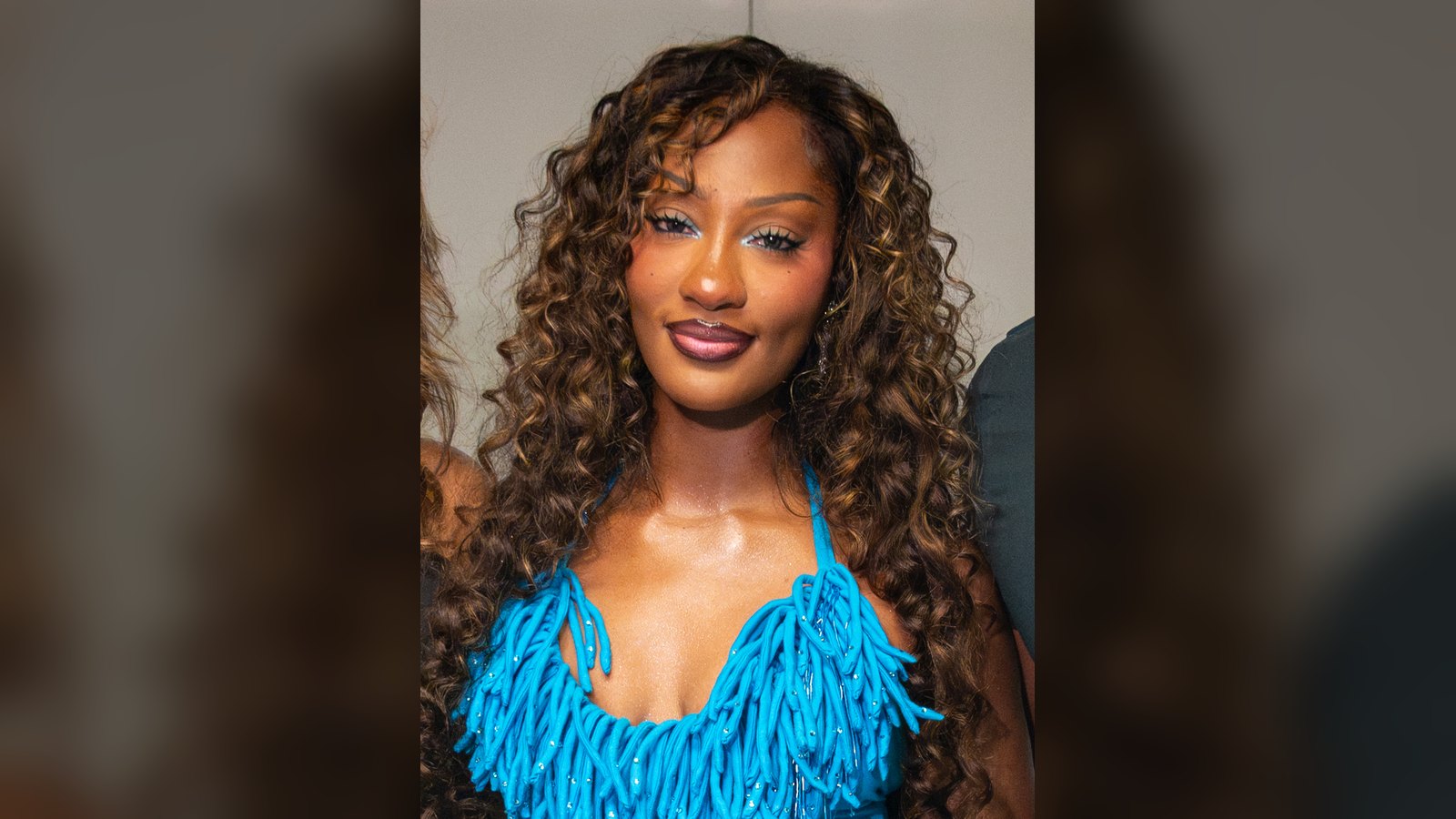
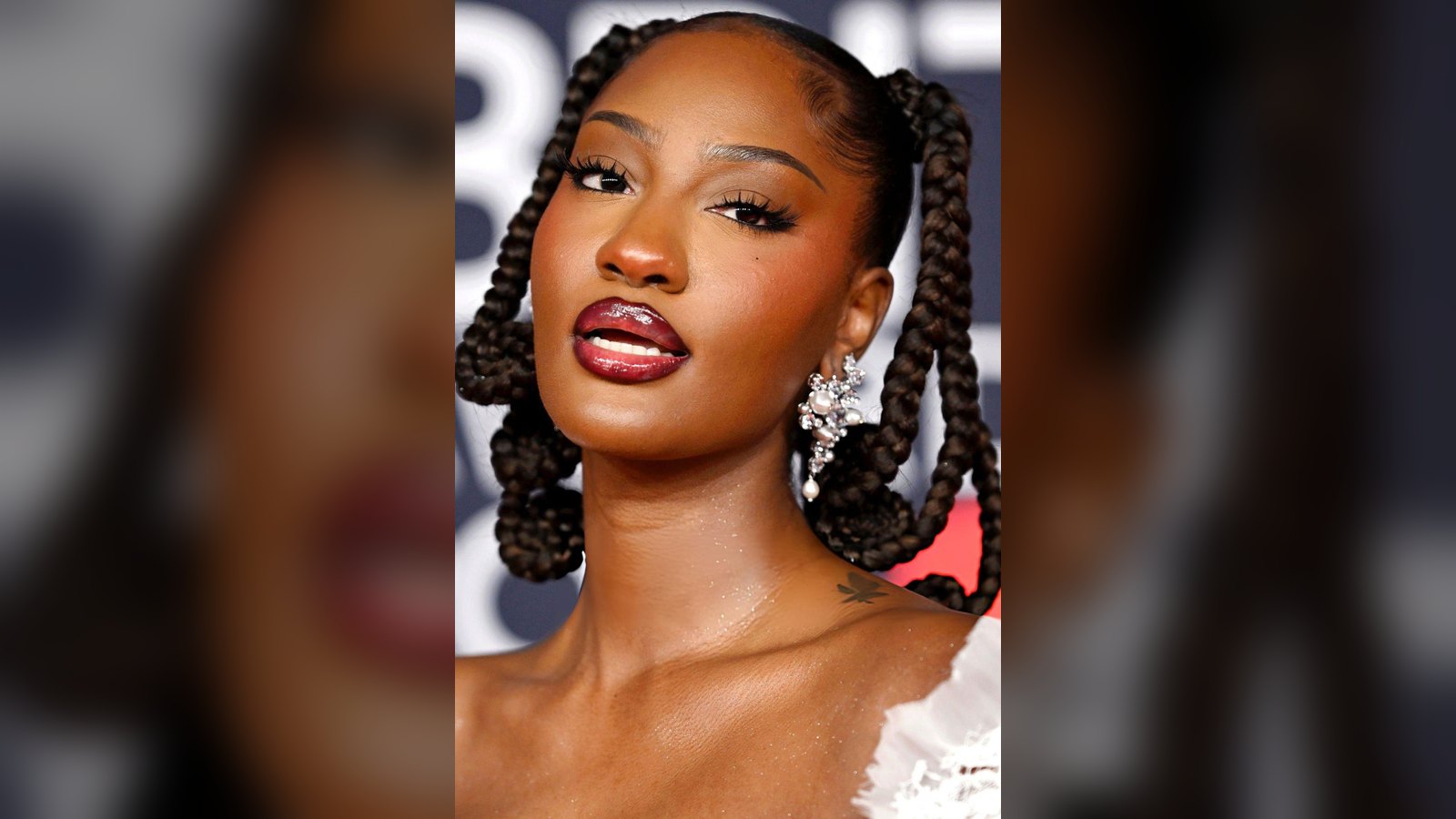
Tems. Photo: TMDB
2018: She releases her debut single “Mr Rebel” independently.
2019: “Try Me” spreads across Nigerian radio and social media and becomes her first real hit.
2020: Her EP For Broken Ears arrives with “Damages.” In October, Wizkid’s Made in Lagos includes “Essence,” featuring Tems. In December, she and Omah Lay were detained in Uganda after a Kampala show over COVID-19 rules. They were released, and the charges were later dropped.
2021: The Justin Bieber remix of “Essence” pushes the song to No. 9 on the Billboard Hot 100. Drake builds “Fountains” on Certified Lover Boy around her vocals. Her EP If Orange Was a Place comes out through Since ’93 and RCA.
2022: Future’s “Wait for U,” featuring Drake and Tems, debuts at No. 1 on the Hot 100. She also appears on Beyoncé’s Renaissance track “Move.” She co-writes Rihanna’s “Lift Me Up” for Black Panther: Wakanda Forever.
2023: “Wait for U” wins Best Melodic Rap Performance at the 65th Grammys. “Lift Me Up” earns Golden Globe and Academy Award nominations.
2024: “Love Me JeJe” reworks Seyi Sodimu’s 1990s Nigerian classic. Her debut album Born in the Wild arrives on 7 June.
2025: She wins the first-ever Grammy for Best African Music Performance with “Love Me JeJe.”
Myth
Tems did not win an Oscar for “Lift Me Up.” She shared a Best Original Song nomination at the 95th Academy Awards in 2023, and the award went to “Naatu Naatu” from RRR.
Best Tems songs to start with
“Try Me” (2019): This is the defiant single that made Lagos pay attention.
“Damages” (2020): A dry, bass-heavy kiss-off and the strongest track on For Broken Ears.
“Essence” with Wizkid (2020): Her husky hook carried this song into the Hot 100 top 10.
“Free Mind” (2020): Her most-streamed solo song for years. It is a quiet meditation on letting go of anxiety.
“Wait for U” with Future and Drake (2022): Built on a “Higher” sample, it is the record that got her to No. 1.
“Love Me JeJe” (2024): “Jeje” is Yoruba for gently or softly, and the song is a plea to be loved with care.
“Burning” (2024): An album highlight that earned a Best R&B Song nomination.
Listen next
Play “Free Fall” from Born in the Wild, her duet with J. Cole.
Awards and nominations
Year
Award
Category
Work
Result
2022
Grammy Awards
Best Global Music Performance
“Essence”
Nominated
2022
BET Awards
Best International Act
Herself
Won
2023
Grammy Awards
Best Melodic Rap Performance
“Wait for U”
Won
2023
Golden Globe Awards
Best Original Song
“Lift Me Up”
Nominated
2023
Academy Awards
Best Original Song
“Lift Me Up”
Nominated
2025
Grammy Awards
Best African Music Performance
“Love Me JeJe”
Won
2025
Grammy Awards
Best R&B Song
“Burning”
Nominated
2025
Grammy Awards
Best Global Music Album
Born in the Wild
Nominated
For the domestic side of her recognition, our explainer on the Headies Awards covers how Nigeria’s own prizes work.
What her rise means
Tems proved that a Nigerian artist could reach the top of the American charts as a credited lead voice and writer, without changing her accent or her pace.
Her 2025 win also came in Best African Music Performance, a category the Recording Academy introduced only at the 2024 ceremony, which tells you how quickly it is reshaping itself around African music.
What happens next
Born in the Wild gave her a full album and a headline tour. Any newer releases, tour dates or awards after early 2025 have not been verified for this profile, so check her official channels for current announcements.
FAQ
What is Tems’s real name?
Her real name is Temilade Openiyi. “Tems” is a shortened form of her first name.
Where is Tems from?
She is from Lagos, Nigeria. She spent part of her early childhood in England.
How many Grammys has Tems won?
As of her 2025 ceremony, she had won two. The first was Best Melodic Rap Performance for “Wait for U” in 2023. The second was Best African Music Performance for “Love Me JeJe” in 2025.
What was Tems’s first hit?
“Try Me” in 2019 was her first major hit in Nigeria. “Essence” with Wizkid was her global breakthrough.
M.anifest is the Ghanaian rapper who built his craft in Minnesota and then helped set the bar for lyrical hip-hop in Accra. This piece covers his story, the albums and songs that matter most, and the news fans are watching as of October 29, 2026.
Real nameKwame Ametepee Tsikata
FromAccra, Ghana
GenreHip-hop, hiplife
Debut album2007
Maternal grandfatherJ.H. Kwabena Nketia
Latest release: the Black Sherif link
The freshest M.anifest news is a single called “Road Rage” with Black Sherif. A pre-save campaign for it is currently among the top results for his name, and it points to a Thursday, October 29 release. That is today.
I want to be careful about how far that goes. A pre-save page comes from the artist’s own camp, so I treat the title and the pairing as solid. I haven’t seen confirmed credits, a label, or any word on whether “Road Rage” leads into a bigger project. I’ll add those details once they’re official, and I won’t guess at them before then.
The pairing matters more than most features would. Black Sherif is the young Konongo rapper whose 2022 album The Villain I Never Was carried him to audiences far outside Ghana. M.anifest has been making records since the mid-2000s. A song with both of them puts two generations of Ghanaian rap on one track, and that is rarer than you might think.
Who is M.anifest?
People searching “manifest ghana rapper” or “manifest the rapper” usually lose the dot. On record, he writes his name as M.anifest. His government name is Kwame Ametepee Tsikata.
He was born in Accra. His maternal grandfather was Professor J.H. Kwabena Nketia, the musicologist who did more than almost anyone to document and theorise African music. I bring this up for a reason. M.anifest writes like someone raised around people who took African sound seriously as a field of study, and his catalogue keeps returning to history, language and identity.
He left Ghana to study at Macalester College in St. Paul, Minnesota. The Twin Cities had a busy independent hip-hop scene at the time, and that is where he learned to rap. He spent his early years doing open mics and local shows in Minneapolis and St. Paul, putting his records out himself.
Myth
Many fans assume M.anifest came up through Accra’s hiplife circuit. He didn’t. His first albums were made in Minnesota, and he moved back to Ghana as a working artist with two records already out.
Career timeline
Year
Moment
2007
Debut album Manifestations comes out of the Minneapolis scene
2011
Immigrant Chronicles: Coming to America tells the story of an African life in the West
Early 2010s
Moves back to Ghana and starts building a home audience
2014
“Apae” becomes his biggest single in Ghana
2016
Album Nowhere Cool
2019
Madina to the Universe EP, named for the Accra suburb tied to his story
2026
“Road Rage” with Black Sherif set for October 29
Two things stand out in that run. The first is the gap between the US years and the Ghana years. Immigrant Chronicles is a record about being a young Ghanaian in America: the money worries, the identity questions, the feeling of being from two places and fully belonging to neither. The second is how long he takes between projects. He isn’t a churn artist. He drops a single or a body of work when he has something to say.
He also spent time with Damon Albarn’s Africa Express collective, which brings Western and African musicians together for shows and recording sessions. That work introduced him to festival crowds in the UK who would never have found a Ghanaian rapper through radio.
Top songs: 8 to start with
If I were building someone their first M.anifest playlist, this is the order I’d use.
“Apae” (2014). The breakthrough at home. The hook is built around a Twi exclamation that works roughly like “it’s popped off.” It’s the song that convinced Ghanaian radio that a conscious, wordy rapper could also fill a dance floor.
“Someway Bi” featuring Worlasi. The title is Ghanaian Pidgin for something feeling a little off, or not quite right. It’s a sly, playful track, and Worlasi’s offbeat delivery makes a perfect contrast with M.anifest’s precision.
“Road Rage” with Black Sherif. The new one. I’m including it because of who’s on it, and I’ll judge it properly once it’s out.
Tracks from Nowhere Cool (2016). This is where his writing about Accra feels most complete. Start at the top and let it run.
The title cut from Madina to the Universe (2019). A tribute to his neighbourhood that doubles as a statement of ambition.
Cuts from Immigrant Chronicles: Coming to America (2011). Go here for the story songs about leaving home and what it costs.
“Manifestations”. The title track of his debut is a useful time capsule. It shows how much of his style was already in place in the Minnesota years.
His Africa Express collaborations. These are worth hearing for the cross-continental chemistry, even when he isn’t the lead voice.
You’ll notice I haven’t attached chart positions to any of these. M.anifest’s biggest moments came before Ghana had a widely used weekly chart in the style of TurnTable, and I won’t invent a peak position for a song.
Listen next
Play Worlasi’s solo material after “Someway Bi.” He’s the Ghanaian artist who matches M.anifest’s mix of oddball humour and serious writing most closely.
Singles, EPs and albums
Title
Type
Year
Manifestations
Album
2007
Immigrant Chronicles: Coming to America
Album
2011
Nowhere Cool
Album
2016
Madina to the Universe
EP
2019
“Apae”
Single
2014
“Road Rage” (with Black Sherif)
Single
2026
Like most independent Ghanaian artists, he puts out a lot of loose singles and features outside his main projects. The table sticks to the releases I can place with confidence. Streaming profiles for M.anifest list more singles and guest spots than any print discography would.
Music videos and visual style
His videos tend to be grounded in real Accra locations: streets, markets, trotro stations and neighbourhood corners, instead of rented mansions. That choice fits the music. A rapper who writes about money pressure and the price of daily life would look strange posing next to a hired supercar.
Expect “Road Rage” to come with visuals. A video hasn’t been confirmed yet, but a single with a pre-save campaign and a Black Sherif feature almost always gets one.
Awards
Year
Award
Category
Result
2015
Vodafone Ghana Music Awards
Hip Hop Song of the Year (“Apae”)
Won
2015
Vodafone Ghana Music Awards
Best Rapper
Won
These are the honours most widely attached to his name in Ghanaian coverage. He has collected other nominations over the years. I’m leaving those out until I can confirm each category and year.
What makes him different
Most Ghanaian rap that crosses borders gets there through the beat. Think of the drill wave out of Kumasi, or hiplife hooks built for weddings and clubs. M.anifest crosses over through the writing. Listeners who don’t know a word of Twi still follow him, because the English verses are dense, funny and specific.
He’s also one of the clearest examples of the returnee story in African music. He made himself as an artist in the American Midwest, then chose to come home and build there. That arc shows up all over his catalogue, from the immigrant blues of 2011 to the hometown pride of Madina to the Universe.
Someone who comes to West African pop mainly through Afrobeats music hears a different kind of record here. The groove is still there, but the verses carry the song. The hook just opens the door.
Similar artists
Sarkodie: Ghana’s best-known rapper, faster and more commercial, mostly in Twi
Worlasi: experimental, playful, and a regular collaborator
Black Sherif: the younger voice on “Road Rage,” raw and emotional
Kwesi Arthur: a Tema rapper with a strong introspective streak
Blitz the Ambassador: another Ghanaian who built his career in the US and works in a similar register
M.I Abaga: the Nigerian rapper closest to M.anifest’s lyric-first approach
What happens next
The short-term question is simple: how does “Road Rage” land? A strong response would introduce M.anifest to a generation of Black Sherif fans who may know him only by name. A song like this could also sit on the TurnTable Top 100 or the UK Official Afrobeats Chart. Neither of his earlier peaks had that kind of measurable platform, so his first real chart run is possible.
I’ll be watching for three things: whether the single is tied to a new album, whether a video follows, and whether any live dates get announced. None of these is confirmed today.
FAQ
Is M.anifest from Ghana?
Yes. M.anifest was born in Accra, Ghana. He studied in Minnesota and started his career there, then moved back to Ghana, where he has been based for most of his career.
What is M.anifest’s real name?
His real name is Kwame Ametepee Tsikata. He styles his stage name with a full stop after the M, which is why searches for “m anifest” and “manifest rapper” both lead to him.
What is M.anifest’s most popular song?
In Ghana, “Apae” is the song most people point to. It’s the one that turned him into a radio name at home. “Someway Bi” with Worlasi is a close second for many fans.
Is M.anifest related to J.H. Kwabena Nketia?
Yes. Professor J.H. Kwabena Nketia, the renowned Ghanaian musicologist, was his maternal grandfather.
When does “Road Rage” with Black Sherif come out?
The pre-save campaign points to Thursday, October 29, 2026. Credits and any link to a larger project had not been confirmed when I last checked on that date.