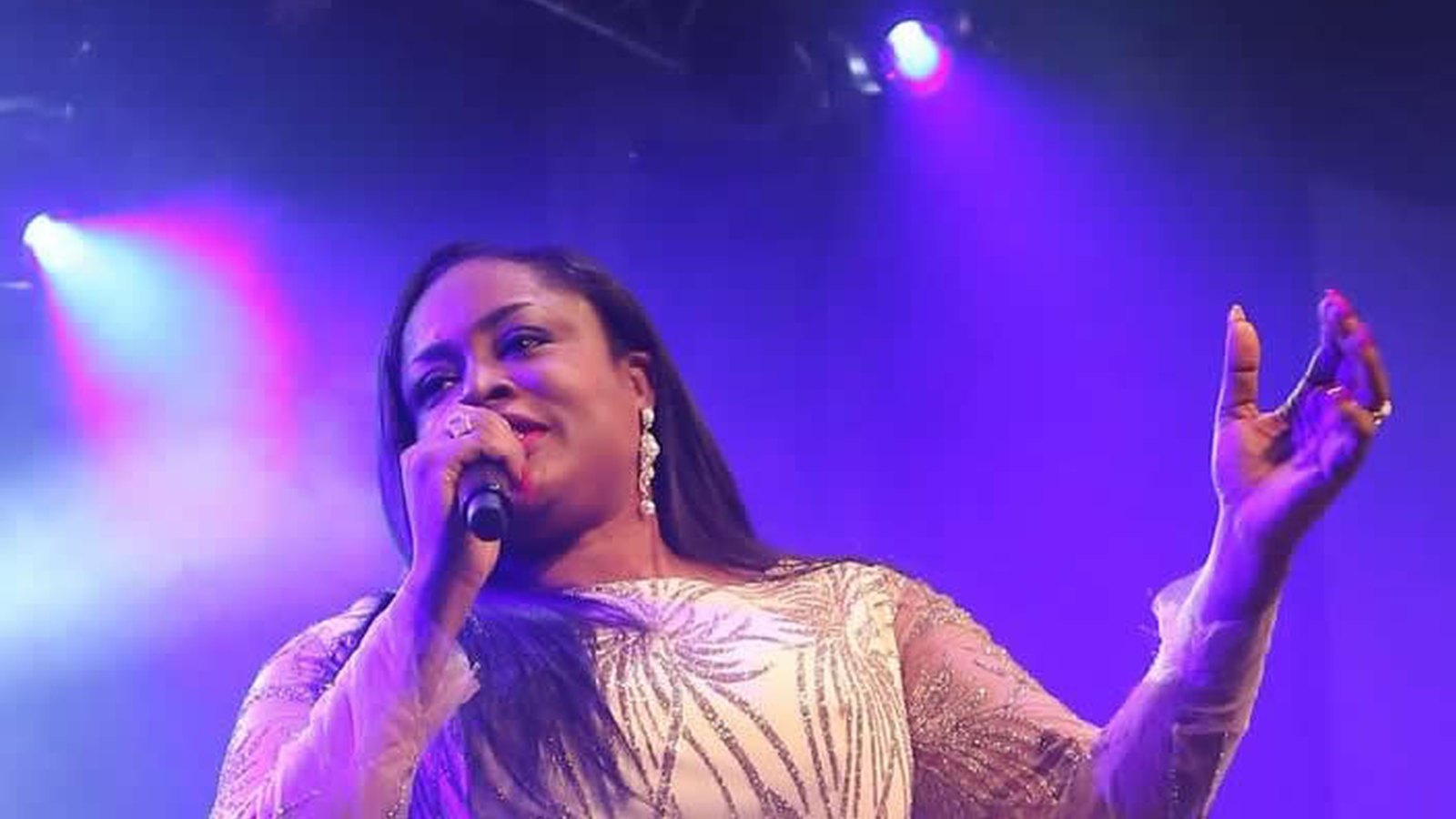
These 20 African songs span nine decades and more than a dozen countries. I picked tracks that changed what music sounded like, at home and abroad. Start at number one and work down, or jump straight to the scene you love.
How I Picked These Songs
Lists of Africa songs often lean only on recent Afrobeats hits. I wanted a wider net.
Every track here had to pass at least two of these tests:
Reach. It travelled beyond its home country.
Influence. Later artists borrowed from it.
Staying power. People still play it at weddings, clubs and family parties.
Scene value. It is a clear doorway into a genre.
I capped each artist at one song. Sorry, Fela fans.
Quick Reference Table
#
Song
Artist
Country
Year
Style
1
Pata Pata
Miriam Makeba
South Africa
1967 (US)
Xhosa pop
2
Sweet Mother
Prince Nico Mbarga
Nigeria/Cameroon
1976
Highlife
3
Water No Get Enemy
Fela Kuti
Nigeria
1975
Afrobeat
4
Mbube
Solomon Linda’s Evening Birds
South Africa
1939
Isicathamiya
5
Mario
Franco & TPOK Jazz
DR Congo
1985
Rhumba
6
Grazing in the Grass
Hugh Masekela
South Africa
1968
Jazz
7
Malaika
Fadhili William
Kenya
1960s
Zilizopendwa
8
Yé ké yé ké
Mory Kanté
Guinea
1987
Mande pop
9
Enta Omri
Umm Kulthum
Egypt
1964
Arabic classical
10
Sodade
Cesária Évora
Cape Verde
1992
Morna
11
7 Seconds
Youssou N’Dour & Neneh Cherry
Senegal
1994
Mbalax fusion
12
Agolo
Angélique Kidjo
Benin
1994
Afro-pop
13
Vulindlela
Brenda Fassie
South Africa
1997
Kwaito-pop
14
Premier Gaou
Magic System
Ivory Coast
1999
Zouglou
15
Yègellé Tezeta
Mulatu Astatke
Ethiopia
1970s
Ethio-jazz
16
Adonai
Sarkodie ft. Castro
Ghana
2014
Hiplife
17
Jerusalema
Master KG ft. Nomcebo Zikode
South Africa
2019
Afro-house
18
Essence
Wizkid ft. Tems
Nigeria
2020
Afrobeats
19
Calm Down
Rema
Nigeria
2022
Afrobeats
20
Water
Tyla
South Africa
2023
Amapiano-pop
The 20 Songs, Ranked
1. Pata Pata, Miriam Makeba (Top Pick)
This is my clear number one. Makeba first recorded it in South Africa in the 1950s. The 1967 US release reached No. 12 on the Billboard Hot 100.
The title means “touch touch” in Xhosa. It names a township dance. Makeba was in exile by then, banned from home. That gives the joyful tune a sharp edge.
FromJohannesburg, South Africa
GenreXhosa pop
US release1967
LabelReprise
2. Sweet Mother, Prince Nico Mbarga
A 1976 highlife tribute to mothers, sung in Pidgin. It still fills dance floors across West and Central Africa. Guitars ring. Everyone sings along.
3. Water No Get Enemy, Fela Kuti
Released in 1975 on Expensive Shit. The title is a Pidgin proverb: everyone needs water, so nobody fights it. Fela uses it as a warning to power. The horn lines are long and hypnotic.
4. Mbube, Solomon Linda’s Evening Birds
Recorded in 1939. “Mbube” means lion in Zulu. You know the melody from “The Lion Sleeps Tonight.” Linda earned almost nothing from it during his life. Hear the original first.
5. Mario, Franco & TPOK Jazz
Congolese rhumba at its peak. Franco tells a long story about a kept man. The 1985 song runs well past ten minutes. The guitar solo alone justifies every one.
6. Grazing in the Grass, Hugh Masekela
Masekela’s trumpet hit No. 1 on the Billboard Hot 100 in 1968. It is pure sunshine. Many Americans never knew an exiled South African played it.
7. Malaika, Fadhili William
“Malaika” is Swahili for angel. Kenyans file it under zilizopendwa, the “golden oldies” of East African rumba and twist. Authorship is still disputed. Miriam Makeba’s cover took it worldwide.
8. Yé ké yé ké, Mory Kanté
The Guinean kora player turned griot music into club music in 1987. It became a big hit across Europe. Remixes kept it alive through the 1990s.
9. Enta Omri, Umm Kulthum
Egypt’s greatest voice, recorded in 1964. Live versions stretch near an hour. Start with a shorter edit. Then lose an evening.
10. Sodade, Cesária Évora
A 1992 morna about longing for home. Évora sang barefoot. Her voice carries the whole emigrant story of Cape Verde.
11. 7 Seconds, Youssou N’Dour & Neneh Cherry
A 1994 duet in Wolof, French and English. It reached No. 3 on the UK Singles Chart. It was many Europeans’ first taste of Senegalese song.
12. Agolo, Angélique Kidjo
Kidjo’s 1994 plea to protect the earth. Funky, bright, still fresh. She has since won multiple Grammys.
13. Vulindlela, Brenda Fassie
From the 1997 album Memeza. South Africans play it at nearly every wedding. Fassie was the country’s biggest pop star. This proves why.
14. Premier Gaou, Magic System
“Gaou” is Ivorian street slang for a naive fool. The song mocks a woman who left the singer when he was broke. Zouglou went pan-African with this one.
15. Yègellé Tezeta, Mulatu Astatke
Ethio-jazz built on Ethiopian scales and Latin rhythm. Jim Jarmusch used Mulatu’s music in Broken Flowers. Play it late at night.
16. Adonai, Sarkodie ft. Castro
My hip-hop entry. Sarkodie raps in Twi with real speed. Castro’s hook made it a 2014 gospel-tinged smash in Ghana.
17. Jerusalema, Master KG ft. Nomcebo Zikode
Released in 2019. The Zulu hook calls Jerusalem home. In 2020 it sparked a global dance challenge. Nurses, priests and police all joined.
18. Essence, Wizkid ft. Tems
From Made in Lagos, 2020. The Justin Bieber remix took it to No. 9 on the Billboard Hot 100. Tems became a star overnight.
19. Calm Down, Rema
The Selena Gomez remix peaked at No. 3 on the Billboard Hot 100. It is one of the most-streamed African songs ever. The original is still better.
20. Water, Tyla
Released in 2023. It won the first Grammy for Best African Music Performance in 2024. My piece on Tyla water explains how it carried amapiano into pop. The Grammy Best African Music category explainer covers that award.
Listen next
After “Water,” play Kabza De Small to hear amapiano without the pop polish.
Beyond the 20: Scenes Worth Exploring
Bongo Flava (Tanzania)
Start with Diamond Platnumz, “Number One” (2013). Then try the remix with Davido. Bongo Flava blends Swahili lyrics, hip-hop and taarab melody.
Kenyan Sounds
Sauti Sol’s “Sura Yako” (2015) is the friendliest entry. For benga, go to D.O. Misiani and Shirati Jazz.
Vernacular scenes like Kikuyu benga and Kalenjin music run deep. They thrive on local radio and YouTube. I have not ranked a single track from them. Ask a Kenyan friend for a playlist instead.
Gqom and DJ Mixes
Durban’s gqom is dark and bass-heavy. Babes Wodumo’s “Wololo” (2016) brought it mainstream.
African dance music often lives in long mixes. Black Coffee’s sets are the gold standard. He won the Grammy for Best Dance/Electronic Album for Subconsciously in 2022.
Diaspora and Gospel
Stromae is Belgian with a Rwandan father. “Papaoutai” (2013) deals with an absent dad. Our Papaoutai lyrics translation unpacks it.
On the gospel side, Sinach’s “Way Maker” is sung in churches worldwide. If Nigeria pulls you in, Nigerian music history is the natural next read.
Myth
Toto’s “Africa” and “We Are the World” are not African songs. Toto were Los Angeles session musicians. The singers in USA for Africa were mostly American stars raising money for Ethiopian famine relief. Both are great records. Neither came from the continent.
FAQ
What is the most famous African song of all time?
“Pata Pata” has the strongest claim. “Mbube” is a close rival, mostly through its famous adaptation.
Which African song has done best on US charts?
Hugh Masekela’s “Grazing in the Grass” hit No. 1 on the Billboard Hot 100 in 1968.
What African music songs work best for a party?
Try “Sweet Mother,” “Vulindlela,” “Jerusalema” and “Calm Down.” All four cross generations.
Where should a beginner start with African songs?
Play the top five in order. You will hear South Africa, Nigeria and Congo in one sitting.
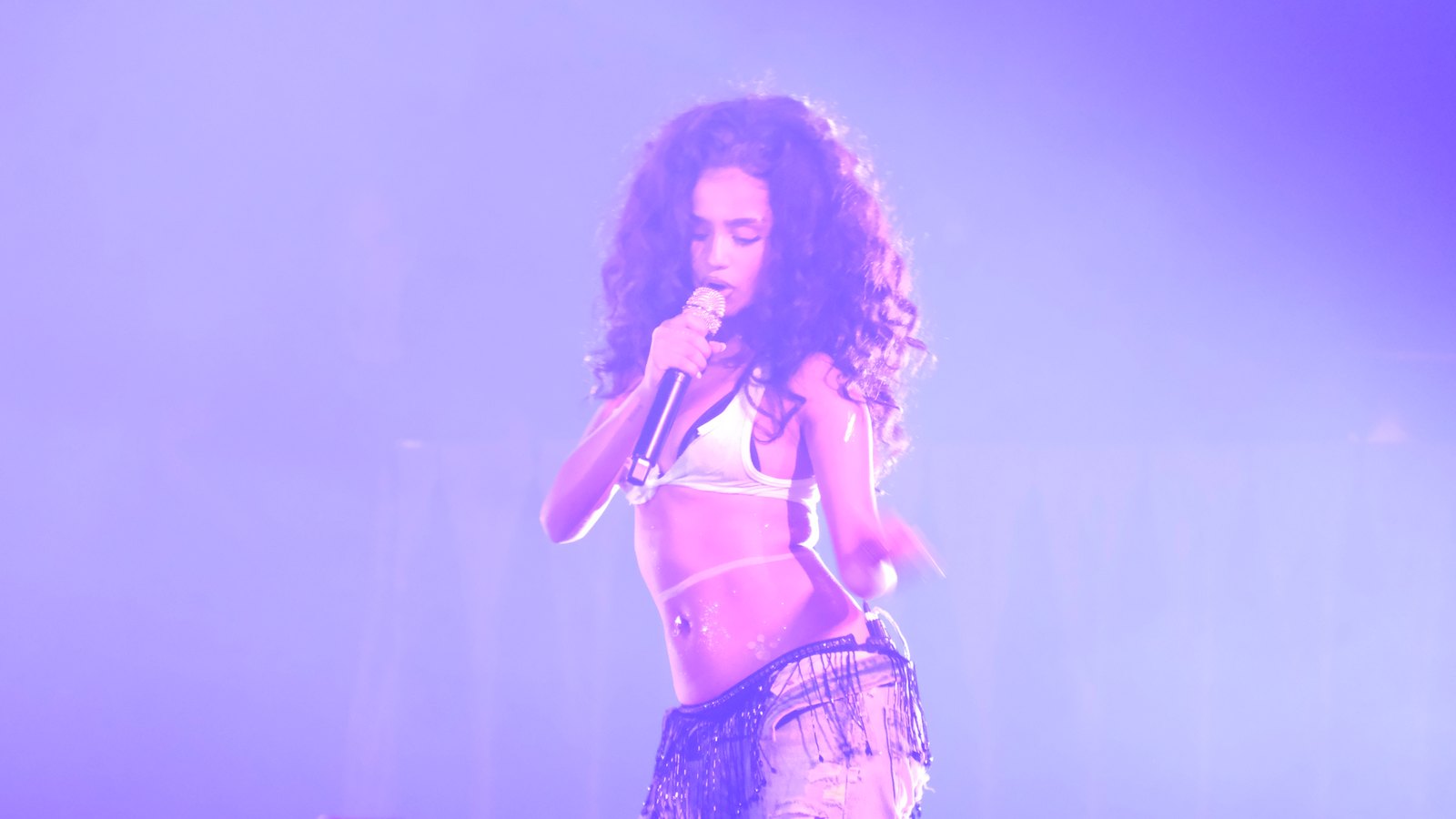
“Water” is the 2023 single by South African singer Tyla that took amapiano’s log drum into mainstream pop. It peaked at No. 7 on the Billboard Hot 100 and won the first Grammy for Best African Music Performance. Here is how the song was built, what the lyrics mean, how it charted, and why it matters for South African music.
ArtistTyla
ReleasedJuly 28, 2023
GenreAmapiano-pop
LabelsFAX Records, Epic
PeakNo. 7, Billboard Hot 100
Last checked: October 29, 2026
What Is Tyla’s “Water”?
People who search for “tyla water” usually want one of three things: the song, the dance, or the explanation for why a South African amapiano track was playing in American malls and gyms.
“Water” is a short, slinky R&B-pop song placed on top of an amapiano groove. Tyla sings about physical desire over the genre’s signature log drum, which is a deep, rubbery, percussive bass that sounds a bit like a struck tom run through a synthesizer. She smoothed the edges and kept the song under four minutes. The hook works on radio, and the rhythm still works in a Johannesburg club.
That balance is the whole story. Amapiano had already spread across Africa and its diaspora by 2023. “Water” was the song that brought it to people who had never heard of it.
The Story Behind the Song
Who Tyla was before “Water”
Tyla Laura Seethal was born on January 30, 2002, and grew up in Johannesburg. She first got real attention in 2019 with “Getting Late,” a collaboration with producer Kooldrink that circulated widely in South Africa. Epic Records signed her internationally in 2021, and she spent the next two years releasing singles and building an audience online.
By mid-2023 she was a known name in South African pop circles. She was not yet a household name outside them. That changed quickly.
How it caught fire
“Water” came out on July 28, 2023. The release itself was quiet. The dance changed everything.
Tyla filmed herself doing a hip-heavy, rolling routine that draws on bacardi, a dance style connected to Pretoria’s party scene. TikTok users copied it, and then celebrities and dance creators joined in. Within weeks the “Water challenge” was everywhere. Streams followed the clips, and the song entered the Billboard Hot 100 that autumn.
Then came the remix. In November 2023, Travis Scott added a verse. That gave American radio programmers a familiar name to hang the song on and kept “Water” climbing into the new year. Plenty of fans still prefer the solo original, and so do I, because Scott’s verse slows the momentum a little. Commercially, though, the remix did its job.
How “Water” Brings Amapiano to Pop
This is the part I find most interesting. “Water” is not a full amapiano track in the club sense. It is a pop song that borrows amapiano’s engine. Which elements Tyla kept and which she dropped explains why the song travelled so well.
The log drum, made radio-friendly
Classic amapiano tracks from producers like Kabza De Small and DJ Maphorisa often run six or seven minutes. They build slowly, leave long instrumental stretches, and let the log drum and shakers carry the room. DJs love that format. Pop radio does not.
“Water” keeps the log drum as the anchor but builds a verse, pre-chorus and chorus structure around it. The bass hits are easy to recognise, but they never swamp the vocal. If you play the song next to a deep amapiano cut, the family resemblance is obvious in the first bar. So is the difference in pacing.
Popiano: Tyla’s own word for it
Tyla has described her sound as “popiano,” which combines pop and amapiano. It is a useful label because it is honest. She is not claiming to be a purist amapiano artist. She is a pop and R&B singer who grew up surrounded by amapiano and writes with it as her rhythmic base.
Her vocal approach is closer to late-1990s and 2000s R&B than to the chanted, call-and-response vocals common in township amapiano. Breathy, layered, close to the microphone. That is a big reason why American and British listeners found the song easy to absorb, even if the drum pattern was new to them.
If you want the background on where that rhythm comes from, our beginner’s guide to amapiano music covers the genre’s growth out of Gauteng’s townships in the mid-2010s.
What stayed local
The dance kept “Water” rooted in South Africa. Bacardi movement, the hip rolls, the loose shoulders: none of that came from a Los Angeles choreographer’s playbook. Millions of people outside South Africa learned a Pretoria-linked dance without knowing it. I think that counts as cultural export, even when it reaches people through a phone screen.
Myth
Many fans call “Water” an Afrobeats song. It is not. Afrobeats is a West African pop tradition centred on Nigeria and Ghana. “Water” is built on amapiano, a South African genre with its own history and rhythm. The mix-up partly comes from Billboard, which places most African pop on its U.S. Afrobeats Songs chart, and from awards shows that use “Afrobeats” as a catch-all category.
What “Water” Means
The lyrics are about desire, and the water imagery is not subtle. Tyla asks a lover to make her sweat, get her hot and leave her breathless. The title line plays on the idea of being so overwhelmed that she turns to liquid. It describes physical attraction, sung with a straight face and a lot of confidence.
What makes the song work is the restraint. The writing is suggestive rather than graphic, and the delivery stays cool even when the words are heated. Tyla sounds in control the whole time, and I think that matters. The song is about wanting something, not about being swept away against your will.
There is also a practical reason the hook landed so well internationally. The key phrases are short, simple English words that repeat. A teenager in Ohio and a club-goer in Soweto can both sing them back after one listen. Global pop hits are often built that way.
Chart Run
These are the peaks I could confirm for the original single and its remix run.
Chart
Peak
Notes
Billboard Hot 100 (U.S.)
No. 7
Reached the top 10 during the Travis Scott remix era
Billboard U.S. Afrobeats Songs
No. 1
Billboard files African pop here regardless of genre
UK Official Singles Chart
No. 4
One of the biggest African songs in Britain that year
The Hot 100 run made history. Tyla became the first South African solo artist to chart on the Billboard Hot 100 since Hugh Masekela’s “Grazing in the Grass” in 1968, a gap of more than 55 years. Masekela’s song was an instrumental that went to No. 1. “Water” was a vocal pop song by a 21-year-old who had built her audience online.
Certification totals and cumulative stream counts keep changing. I have not listed them here because I could not confirm the current numbers as of this update.
Grammys and Awards
“Water” arrived just as the Recording Academy introduced a new category. At the 66th Grammy Awards on February 4, 2024, Best African Music Performance was presented for the first time. The field was stacked with Nigerian heavyweights, which made the result a genuine surprise to many.
Song
Artist(s)
Result
“Water”
Tyla
Winner
“Amapiano”
Asake & Olamide
Nominee
“City Boys”
Burna Boy
Nominee
“Unavailable”
Davido feat. Musa Keys
Nominee
“Rush”
Ayra Starr
Nominee
Tyla had turned 22 just days before the ceremony. She was the youngest artist in the category and the only South African lead act, and she won with a song that had been out for barely six months. The irony that the nominee titled “Amapiano” lost to the song that actually took amapiano global was not lost on fans.
She later won Best Afrobeats at the 2024 MTV Video Music Awards for “Water.” That is the same genre mislabel the myth box above describes, but it is still a win. For the African side of awards culture, our explainer on the Headies Awards covers how Nigeria’s biggest ceremony decides its categories, which helps explain why continental and Western awards often file the same songs differently.
Award
Year
Category
Result
Grammy Awards
2024
Best African Music Performance
Won
MTV Video Music Awards
2024
Best Afrobeats
Won
Where “Water” Sits in Africa’s Crossover History
“Water” did not come out of nowhere. It belongs to a long line of African records that broke into Western pop, and seeing that history makes its achievement clearer.
Manu Dibango’s “Soul Makossa” reached American dance floors in the early 1970s and was later sampled by Michael Jackson and Rihanna. Our piece on Soul Makossa and the song that changed global pop tells that story. Masekela reached No. 1 in 1968. Miriam Makeba made “Pata Pata” an international hit around the same time.
The modern wave started with Nigerian sounds. In 2016, Drake’s “One Dance,” built around Wizkid and an Afro-leaning groove, went to No. 1 on the Hot 100. Our breakdown of Drake One Dance and its Afrobeats roots shows how much West African DNA that track carried. Wizkid’s “Essence” with Tems, helped by a Justin Bieber remix, reached the top 10 in 2021. Rema’s “Calm Down” with Selena Gomez climbed to No. 3 in 2023.
South Africa had its own viral moment in 2020, when Master KG’s “Jerusalema” featuring Nomcebo Zikode spread worldwide through a dance challenge. But the American top 10 was still dominated by Nigerian crossovers.
“Water” broke that pattern. It showed that a South African genre, sung by a South African artist, could compete at the very top without being repackaged as Afrobeats. I think its biggest legacy is the space it created. Labels and playlist editors started taking amapiano seriously as a pop format, not only as a club sound.
Which Tyla Song Is the Amapiano One?
A lot of people search for “tyla amapiano song” because they half-remember the log drum and the dance but not the title. In almost every case, the answer is “Water.”
That said, amapiano runs through most of her catalogue. If you liked “Water,” these are the Tyla songs closest to it:
“Truth or Dare”: a follow-up single with a lighter, more playful mood and the same popiano bounce.
“Jump” featuring Gunna and Skillibeng: brings in rap and dancehall voices over a log-drum foundation.
“Art”: slower and moodier, closer to R&B, but the amapiano pulse is still underneath.
All three appear on her self-titled debut album, released in March 2024, which also includes “Water.” If you are coming to Tyla for the first time, I would play the album from start to finish before going through single playlists. It shows how consistent her sound is.
Listen next
Play Kabza De Small and DJ Maphorisa’s work as Scorpion Kings to hear the deep, long-form amapiano that “Water” streamlines for pop radio.
Why “Water” Still Matters in 2026
Three years on, “Water” no longer looks like a novelty hit. It works as a reference point. When a South African song gains traction abroad now, fans and journalists compare it to Tyla’s breakthrough. When a pop producer wants a log drum, “Water” is often the reference track they bring to the session.
It also changed expectations for young African artists. Tyla did not wait for a big American feature before blowing up. The Travis Scott remix came after the song was already climbing. She went viral on her own terms, with her own dance, and the industry followed. Artists across Johannesburg, Lagos, Accra and Nairobi took note. That last city has its own crossover ambitions, which our guide to Kenyan music from benga to gengetone covers in depth.
The song also holds up musically. The production is clean, the hook is efficient, and the groove has aged better than many viral hits from the same period. I still hear it in South African clubs, at weddings, and in playlists put together by people who have never been to Pretoria.
Not every question is answered yet. We do not know whether amapiano will produce another U.S. top 10 hit of its own or whether “Water” will remain a one-time breakthrough. The genre is still evolving fast, and its next global moment may sound quite different.
FAQ
When did Tyla release “Water”?
“Water” came out on July 28, 2023, through FAX Records and Epic Records. A remix featuring Travis Scott followed on November 17, 2023, and helped push the song into the Billboard Hot 100 top 10.
Is “Water” amapiano or Afrobeats?
It is amapiano-based pop. Tyla calls her sound popiano. Charts and some awards shows file it under Afrobeats because they group most African pop together, but the rhythm and log drum come from South African amapiano.
What is the “Water” dance?
It is the routine Tyla posted alongside the song, built on hip rolls and loose body movement drawn from bacardi, a dance style tied to Pretoria’s party scene. It became the “Water challenge” on TikTok and drove much of the song’s early growth.
What did “Water” win at the Grammys?
It won Best African Music Performance at the 66th Grammy Awards on February 4, 2024. It was the first year the category existed, and Tyla beat Burna Boy, Davido, Ayra Starr, and Asake and Olamide.
How high did “Water” chart?
It peaked at No. 7 on the Billboard Hot 100, reached No. 1 on Billboard’s U.S. Afrobeats Songs chart, and peaked at No. 4 on the UK Official Singles Chart. Tyla became the first South African solo artist on the Hot 100 since Hugh Masekela in 1968.
What is the song about?
It is about physical desire. Tyla uses heat, sweat and water as metaphors for attraction. The lyrics are suggestive rather than explicit, and her vocal delivery stays cool and controlled throughout.
“Papaoutai” is Stromae’s 2013 song, and the title is a sound-spelling of the French question “Papa, où t’es?”, which means “Dad, where are you?” The lyrics follow a child asking why his father is never around. In the second verse the same question is turned on a whole generation of future fathers. Below you get the meaning of every section, the key French phrases with English translations, and the story behind the song.
Last updated: October 29, 2026
ArtistStromae
ReleasedMay 2013
AlbumRacine carrée
LanguageFrench
ThemeAbsent father
What “Papaoutai” Means in English
The title is one word on the cover, but it is really four words sung fast. “Papa” means dad. “Où” means where. “T’es” is the spoken short form of “tu es”, meaning “you are.” Put together, “Papa, où t’es?” translates to “Dad, where are you?”
Stromae spelled it as one word so you read it the way it sounds. Sung quickly, the phrase blurs into “pa-pa-oo-tay.” That blurring is part of the point. It sounds like a nursery chant, the kind of thing a small child repeats until the words stop meaning anything.
This also explains the common search “papa ute lyrics.” People who don’t speak French hear the chorus and write down what they think they heard. “Papa ute,” “papa outé” and “papa wutai” all point to the same song and the same line.
Myth
Many listeners assume “papaoutai” is a Spanish, Italian or invented dance word. It isn’t a word at all. It is the French question “Papa, où t’es?” (“Dad, where are you?”) written the way it sounds when sung.
Why This Page Doesn’t Print the Full Lyrics
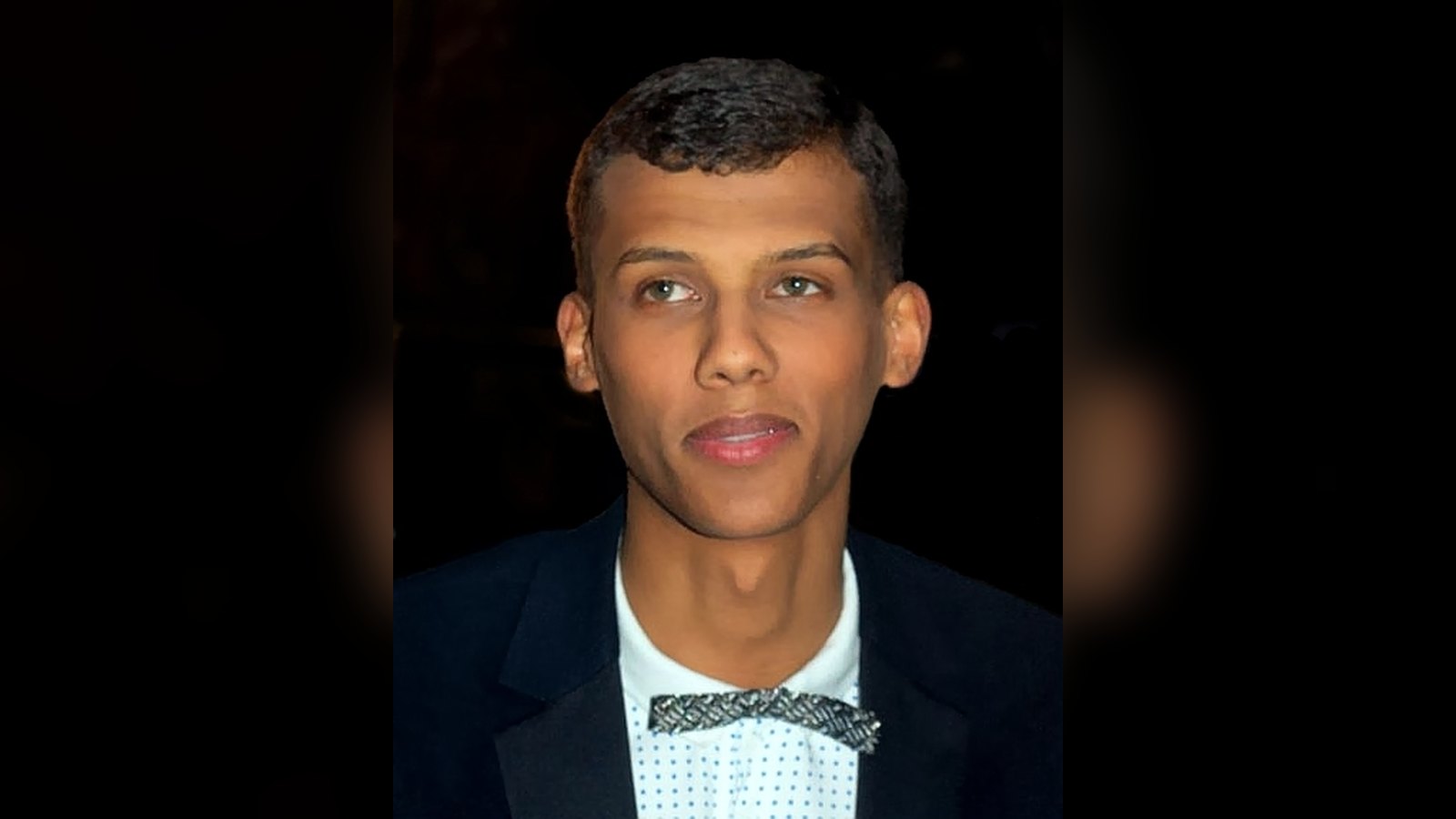
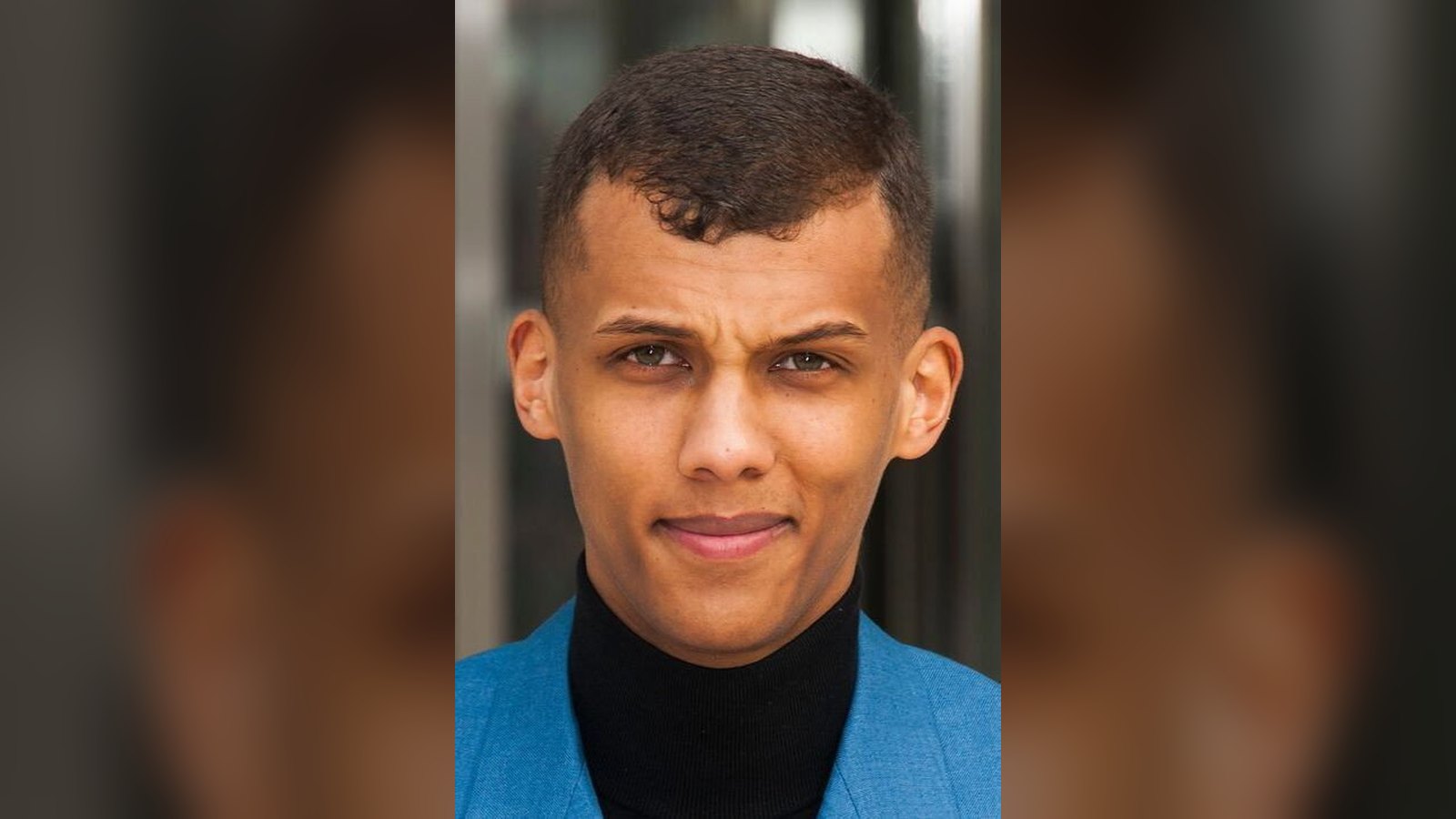
Stromae. Photo: TMDB
The lyrics of “Papaoutai” are copyrighted, and so is any full translation of them. This article explains the song in our own words. It quotes only a few words at a time where you need the original French to follow an idea.
For the complete French text, use a licensed source. Spotify, Apple Music, Amazon Music and YouTube Music show synced lyrics for the track in most regions. Read them alongside the explanations here and you will understand the song better than a word-for-word English version could manage.
Word-for-word translations of this song often miss the meaning. Much of the lyric works through puns, double meanings and sound. A literal English version keeps the words and loses the jokes, and the jokes carry a lot of the sadness.
The Story Behind the Song
Stromae is the stage name of Paul Van Haver, born in Brussels in 1985 to a Belgian mother and a Rwandan father. The name comes from verlan, the French slang that flips syllables: “maestro” becomes “Stromae.”
His father, the architect Pierre Rutare, was mostly absent from his childhood. He was killed in the 1994 genocide against the Tutsi in Rwanda, when Paul was nine. That history sits underneath “Papaoutai,” and it is the main reason the song has stayed so heavy for so many listeners.
The lyrics never mention Rwanda, the genocide or any personal detail. There are no names and no places. The father in the song could be dead, divorced, working abroad or just emotionally checked out. Stromae writes the absence without saying why, and that blank space lets millions of people put their own father into it.
“Papaoutai” came out in May 2013 as the lead single from his second album, Racine carrée, released that August. The album title means “square root,” and “racine” also means “root” in the family sense. A song about not knowing where your father is fits an album named after roots.
Papaoutai at a glance
Detail
Fact
Artist
Stromae (Paul Van Haver)
Single release
May 2013
Album
Racine carrée (August 2013)
Writer
Stromae
Language
French
Video director
Raf Reyntjens
Home country
Belgium
Chart high points
No. 1 in France and Belgium
Previous breakout hit
“Alors on danse” (2009)
Papaoutai Lyrics Meaning, Section by Section
The song has a simple shape: two verses, a short build-up section before each chorus, and the chorus itself, which repeats the title question over and over. The table maps each part to what it is doing.
Section
Who is speaking
What it’s about
Verse 1
The child
Repeating what Mum says about Dad
Pre-chorus
The child
Asking where Dad is hiding
Chorus
The child
“Dad, where are you?” on repeat
Verse 2
A grown-up “we”
Asking what makes a good or bad father
Second pre-chorus
The grown-up “we”
Same hiding question, now collective
Final choruses
Everyone
The question with no answer
Verse 1: Everything Mum says
The first verse opens with a demand: tell me where he comes from, and then I’ll know where I’m going. This is the thesis of the whole song. Without knowing his origin, the child can’t picture his future.
Then the verse becomes a list of things Mum says. She says that if you look hard enough, you always find what you’re searching for. She says Dad is never far away and that he leaves very often for work. She says working is good, much better than being in bad company.
That last line twists a common French proverb, “mieux vaut être seul que mal accompagné,” which means “better to be alone than in bad company.” Mum bends it into an excuse. Dad’s absence becomes a virtue. Working is better than whatever else he could be doing.
The verse ends with a small, two-word question tag: “pas vrai?” It means “right?” or “isn’t that true?” You can hear the child asking for reassurance. You can also hear an adult voice who already knows Mum’s story doesn’t add up.
Pre-chorus: Hide and seek
Here the child asks where your dad is. Maybe he’s asking a friend, or maybe he’s mimicking what other kids ask him. Then he describes the father he imagines: one who knows what’s wrong without even having to talk.
Next comes “ah, sacré papa.” “Sacré” literally means sacred, but in casual French it means something like “you old so-and-so” or “good old Dad.” The tone is fond, exasperated and a little sarcastic all at once.
Then the child asks where Dad is hiding, and says he must have counted his fingers at least a thousand times. That is a hide-and-seek image. A kid counts, opens his eyes and goes looking. This kid has counted a thousand times and nobody has turned up.
Chorus: One question, no answer
The chorus is the title question repeated until it stops sounding like words. There’s no rhyme, no story and no resolution. Musically it is the catchiest part of the song, the bit crowds shout back at concerts. The lyric itself is the most painful line in the song.
This contrast is typical Stromae. He puts the bleakest idea on top of the most danceable hook, so you end up singing about abandonment on a dancefloor without fully noticing.
Verse 2: The know-it-all and the thumb
The second verse changes the speaker. “Je” (I) becomes “on” and “nous” (we). The child has grown up, and now he’s thinking about the day he becomes a father himself.
He says that whether we believe it or not, one day we’ll stop believing. Sooner or later we’ll all be dads, and from one day to the next we’ll have disappeared. Disappearing is something fathers do in this song, and the speaker fears he will do it too.
Then come four questions. Will we be hateful? Will we be admirable? Will we be begetters or geniuses? Who gives birth to irresponsible people? The word “géniteurs” means biological parents, people who supply the genes. “Génies” means geniuses. Stromae asks whether men will just be the biological source of a child or something better.
The sharpest line of the song follows. Everybody knows how babies are made, but nobody knows how dads are made. Biology is easy. Fatherhood isn’t, and nobody teaches it.
He then mocks a “Monsieur Je-sais-tout,” a Mr. Know-It-All, who supposedly inherited this knowledge. Then he asks whether you have to suck it from your thumb. The thumb-sucking image drags the grown man back to infancy. It also mocks the idea that fatherhood is an instinct you pull out of nowhere.
The verse closes by echoing the first pre-chorus, with one key change. In verse one the child counted his fingers. In verse two “we” have chewed our fingers a thousand times. Patient counting has turned into anxious gnawing.
The ending: Back to the question
The song returns to the chorus and ends on it. There’s no reunion and no lesson. The last thing you hear is still the question. Stromae refuses to give the listener an answer the child never got.
10 Papaoutai Lines Explained in English
These are the ten moments that carry the most meaning. Each one uses only a few words of the original French so you can find it in the song.
1. “D’où il vient” (where he comes from). The opening asks where Dad comes from, so the child can know where he’s going. Origin and direction are linked, which ties straight back to the album’s “roots” title.
2. “On finit toujours par trouver” (you always end up finding). This is Mum’s optimism. It sounds like encouragement to a child. By the end of the song it sounds like a promise she couldn’t keep.
3. “Il part très souvent travailler” (he very often goes off to work). “Souvent” means often, and “très souvent” means very often. It’s the classic cover story an adult tells a child. The phrasing is vague on purpose, because Mum is managing what the child knows.
4. “Mal accompagné” (in bad company). This is where the twisted proverb lands. Mum says working beats bad company. A French listener hears the original proverb behind it, “better alone than in bad company,” and catches the hint that Dad being away might be the better outcome.
5. “Sans même devoir lui parler” (without even having to talk to him). “Parler” means to speak or talk. The child imagines a father who understands without words. You can also read it bitterly: a father he never actually gets to talk to.
6. “Ah, sacré papa” (oh, good old Dad). This is affection and irritation squeezed into three words. “Sacré” is the kind of word you use about a relative you love and can’t rely on.
7. “Compté mes doigts” (counted my fingers). This is hide and seek, and it’s also a child counting days. It also hints at the “mille fois,” the thousand times, that he has waited.
8. “Géniteurs ou des génies” (begetters or geniuses). This is the best pun in the song, built on the shared root “géni-“. Will men just provide genes, or will they be brilliant at the job? English has no single pair of words that does this.
9. “Comment on fait des papas” (how you make dads). This is the thesis of verse two. Everyone knows how babies are made, and nobody knows how fathers are made. If you only remember one line in translation, make it this one.
10. “L’sucer d’son pouce” (suck it from your thumb). The verb “sucer” means to suck. The line asks whether you’re meant to get fatherly knowledge by sucking your thumb, like a baby. It’s a mocking, almost angry question aimed at the idea that men just know.
Papaoutai Vocabulary Breakdown
If you are learning French, this song is a good lesson. It’s full of everyday spoken French, a couple of proverbs and one very useful grammar point. The table covers the words and expressions that matter most.
French
Literal English
How it works in the song
Où t’es?
Where you are?
Spoken form of “où es-tu?” (where are you?)
Dis-moi / dites-moi
Tell me
Informal vs. formal or plural “tell me”; the child uses both
Je vais
I go / I’m going
“Où je vais” means where I’m heading in life
Souvent
Often
Mum’s excuse: he leaves often for work
Mal accompagné
Badly accompanied
Twist on “better alone than in bad company”
Parler
To speak
The father who understands without speaking
Sacré
Sacred
Casual: “good old,” “darn,” affectionate scolding
Caché
Hidden
Ties into the hide-and-seek image
Détestables
Detestable, hateful
Rhymes with “admirables”
Admirables
Admirable
The good-father possibility
Géniteurs
Biological parents
Paired with “génies” (geniuses) for a pun
Irresponsables
Irresponsible people
Who gives birth to them?
Monsieur Je-sais-tout
Mr. I-know-everything
French for “know-it-all”
Aurait hérité
Would have inherited
Conditional used for hearsay or doubt
Sucer
To suck
Thumb-sucking, infancy, instinct
Bouffer
To eat (slang)
Chewing fingers from nerves
The grammar point: “aurait” and the doubtful conditional
One line says Mr. Know-It-All “en aurait hérité,” meaning he would have inherited it. French uses the conditional this way to report something you don’t fully believe. News anchors use it for unconfirmed claims, like “the minister reportedly resigned.”
So the line doesn’t state that the know-it-all inherited fatherly wisdom. It’s closer to “supposedly he inherited it, is that it?” Sarcasm is built into the verb form. Many English translations flatten this into a plain statement, and that loses the bite.
“Tu” and “vous” in the same song
Pay attention to “dis-moi” versus “dites-moi.” “Dis-moi” uses the informal “tu” form. You say it to one person you know well, such as a child, a friend or family. “Dites-moi” uses “vous,” which is either polite or plural.
The song moves between them. The child says “dis-moi” in the pre-chorus, talking directly and intimately. Verse two uses “dites-nous,” “tell us,” a plural demand aimed at everyone, as if the speaker is questioning society itself.
The Wordplay You Lose in English
Stromae writes like a rapper who grew up on French chanson. Much of the craft lives in sound, which is why “papaoutai lyrics in English” can only take you so far. Here are the effects that don’t survive translation.
Détestables / admirables. Both words end in “-ables,” and in the song the rhythm briefly lands on “testables” and “-mirables.” Hateful and admirable sound almost alike, which suggests a thin line between the two kinds of father.
Géniteurs / génies. The shared sound makes the question feel like a coin toss. A father could go either way.
Papa où t’es / papaoutai. Spelling the question as one word turns it into a chant, a name and a brand at once.
The counting echo. “Compté mes doigts” becomes “bouffé nos doigts.” The structure repeats with the verb and pronoun swapped, so you hear the child’s waiting turn into an adult’s anxiety.
The proverb twist. French speakers know “mieux vaut être seul que mal accompagné” the way English speakers know “better late than never.” Hearing it bent out of shape tells them Mum is improvising.
One more interesting detail: “y aura bien un jour où on n’y croira plus” uses “croire,” to believe, in a way that recalls children and Santa Claus. In French you “y croire,” believe in it, the way kids believe in Père Noël. At some point you stop. The song links believing in an absent father to a childhood myth you eventually outgrow.
The Music Video
The “Papaoutai” video, directed by Raf Reyntjens, is a big reason the song travelled beyond French-speaking countries. You don’t need any French to understand it.
Stromae plays the father. He’s made up to look like a shop mannequin, stiff and blank, dressed in a sweater vest and bow tie. A young boy tries again and again to get a reaction out of him. The father never moves on his own.
Around them, other fathers and sons in a pastel suburban neighbourhood dance in perfect sync. The boy watches families that work. The choreography is jerky and puppet-like, and it makes the absence physical. The father is there in body and gone in every other way.
The ending is the gut punch. The boy sits down beside his frozen father and takes the same rigid, mannequin pose. The cycle has passed to the next generation, the same fear verse two describes. Without a word, the video says the son may grow up to be the same kind of father.
It’s one of the most-watched French-language music videos ever posted to YouTube, with well over a billion views since 2013.
How Papaoutai Performed and Why It Lasted
“Papaoutai” reached No. 1 in France and Belgium and charted widely across Europe. It confirmed that Stromae was more than a one-hit artist after “Alors on danse.” Racine carrée became one of the biggest French-language albums of the 2010s. Its singles included “Formidable,” “Tous les mêmes,” “Ta fête,” “Quand c’est ?” and “Ave Cesaria,” his tribute to the Cape Verdean singer Cesária Évora.
In 2014 Stromae won several Victoires de la Musique, France’s main music awards, including male artist of the year. He toured Racine carrée through Europe, North America and Africa, and played Coachella in 2015.
The song has lasted because it works on two levels. At a party it’s a groove with a chant you can shout. On headphones it’s a child’s grief set to a beat. Many listeners discover the second level years after loving the first, often when they finally search for the lyrics in English.
It has also lasted because its subject never dates. Absent fathers exist in every country. The song’s refusal to say why the father is gone makes it fit almost anyone’s story.
What came after
Stromae stepped back from music after the Racine carrée tour, and his health was a big part of that. In 2015 he played his first concert in Kigali, Rwanda, his father’s homeland. He then cut short the African leg of the tour after a severe reaction to an antimalarial drug.
He returned in 2022 with Multitude. That album includes “Santé,” “L’enfer,” which is about suicidal thoughts, and “Ma meilleure ennemie” with Pomme, later used in the animated series Arcane. In 2023 he cancelled tour dates on health grounds. The bluntness about pain in his later work, “L’enfer” especially, follows directly from “Papaoutai.”
Papaoutai and Africa: Roots in the Rhythm
TransAfrica Sounds covers African music and the diaspora, and “Papaoutai” belongs in that conversation more than people assume. Stromae is Belgian-Rwandan. Belgium was the colonial power in Rwanda, Burundi and Congo, and Brussels has a large Central African community. That cultural mix runs through his records.
Racine carrée draws openly on African and Afro-diasporic sounds. You hear rumba-style guitar ideas and Central African rhythmic feel inside the electronic production. The Cesária Évora tribute shows where his ears point. “Papaoutai” itself is built on a midtempo, swaying groove more than a straight European house beat. That’s part of why it feels warm even when the lyrics are cold.
If you came to African pop through afrobeats music, Stromae is a useful bridge into francophone Africa and its diaspora. That world runs from Kinshasa rumba to Abidjan coupé-décalé to Paris rap. These are different scenes from Lagos or Accra, but they share a habit of putting serious subjects over music built to move bodies.
The lyric connects to African writing in another way too. Stories of children separated from parents by war, migration or work run through so much music from the continent. “Papaoutai” tells one of those stories with no flag on it. That’s why a song with no African words in it still resonates deeply with African listeners.
French-Language Songs to Play Next
If “Papaoutai” pulled you into modern French-language music, these are strong next listens. Each one connects to something in Stromae’s song: the Central African roots, the Belgian scene or the habit of pairing hard truths with big hooks.
Song
Artist
Year
Why it pairs with Papaoutai
Petit pays
Gaël Faye
2013
Burundian-Rwandan childhood, war and memory
Formidable
Stromae
2013
Same album; a drunken, heartbroken monologue
Quand c’est ?
Stromae
2013
Title is a pun on “cancer”; same wordplay style
Balance ton quoi
Angèle
2019
Belgian pop with a sharp social message
Djadja
Aya Nakamura
2018
Malian-French pop that went global in French
Santé
Stromae
2021
A toast to people who work while others party
Ma meilleure ennemie
Stromae & Pomme
2022
Love and hate as one feeling, used in Arcane
Gaël Faye deserves special mention. He was born in Burundi to a French father and a Rwandan mother, and fled the region as a child. “Petit pays” later became the title of his acclaimed 2016 novel. His work and “Papaoutai” both come from the same Great Lakes history, told from a child’s point of view.
If you prefer English-language rap that handles family and identity with the same precision, the Ghanaian rapper M.anifest is a good place to start.
Listen next
Play Gaël Faye’s “Petit pays” straight after “Papaoutai.” Both are 2013 songs by artists with Rwandan roots, and both look back at Great Lakes history through a child’s eyes.
How to Use Papaoutai to Learn French
The song works well as a lesson because the vocabulary is everyday and the hook repeats constantly. Here’s a simple way to work through it.
Listen once with no text. Just catch the chorus and any words you recognise, like “papa,” “maman” and “travailler.”
Read the official French lyrics on a licensed streaming service while listening. Mark every word you don’t know.
Use the vocabulary table above to fill in the gaps. Focus on “dis-moi,” “souvent,” “caché” and “sacré” first, since they’re common in daily speech.
Study the “aurait” line. Once you understand the doubtful conditional, you’ll start spotting it in French news and conversation.
Shadow the chorus. Sing along until “papa, où t’es” comes out as fast as Stromae says it. That trains you to hear dropped vowels, like “tu es” becoming “t’es.”
Rewatch the video after you understand the lyrics. The mannequin father and the final frozen pose hit harder once you know what verse two asks.
Make sure you notice the shift from “je” to “nous” between the verses. Spotting who is speaking is a big part of reading French songs well, and this song makes the change unusually clear.
FAQ
What does “Papaoutai” mean in English?
It means “Dad, where are you?” The title is the French question “Papa, où t’es?” written as one word, the way it sounds when sung quickly. “T’es” is the casual spoken form of “tu es,” meaning “you are.”
Who sings Papaoutai?
Stromae, the Belgian singer and producer born Paul Van Haver in Brussels in 1985, wrote and performs it. It appears on his second album, Racine carrée, released in August 2013.
Is Papaoutai about Stromae’s father?
It draws on his life without naming it. Stromae’s Rwandan father was largely absent from his childhood and was killed in the 1994 genocide against the Tutsi. The lyrics never mention Rwanda or any specific detail, though. The song describes an absent father in general terms, so listeners can apply it to their own lives.
Why do people search “papa ute lyrics”?
Non-French speakers hear the chorus and spell it the way it sounds to them. “Papa ute,” “papa outé” and similar spellings all refer to “Papaoutai” and its chorus, “papa, où t’es.”
Is there an official English version of Papaoutai?
Stromae recorded the song in French. The English versions you find online are translations made by fans and language sites, and they vary a lot in accuracy. Many miss the puns, especially “géniteurs” and “génies.”
What is the saddest line in Papaoutai?
Most listeners point to the verse-two line saying everyone knows how babies are made but nobody knows how dads are made. It shifts the song from one child’s loss to a question about every man who becomes a father.
What does the Papaoutai music video mean?
Stromae plays a father frozen like a mannequin while his son tries to get his attention. Other fathers and sons dance together around them. At the end the boy takes the same frozen pose beside him. It suggests absent fathers can raise sons who repeat the pattern.
Is Papaoutai a sad song or a dance song?
It’s both, and that’s deliberate. The groove and chant are built for dancing. The lyrics describe a child waiting for a father who never comes. Stromae often pairs heavy subjects with upbeat production, and “Papaoutai” is his best-known example.
Sinach’s Way Maker is a Nigerian worship song that she wrote and first released at the end of 2015. It describes God as a way maker, miracle worker, promise keeper and light in the darkness. This guide explains what those lines mean, how the song travelled from a Lagos church stage to congregations worldwide, and where you can stream it legally.
Last checked: October 29, 2026
ArtistSinach
CountryNigeria
GenreGospel worship
First releasedLate 2015
WriterSinach
The Story Behind Way Maker
Sinach, born Osinachi Kalu Okoro Egbu, was already one of Nigeria’s best-known worship leaders when she introduced Way Maker. Her earlier anthem I Know Who I Am had made her a fixture in churches across Africa. Way Maker was recorded live in a congregational setting, which explains its simple, repeatable structure. A worship leader can teach it to a room in a few minutes.
The song then spread in a way that most African gospel records never do. In 2019, American worship band Leeland and Christian music veteran Michael W. Smith each released their own versions, and those covers carried Sinach’s writing onto Western Christian radio and into large evangelical churches. If you search for waymaker sinach or the hashtag #waymaker, much of what you find is that global spread: choirs, translations into many languages, and fan videos.
Myth
Many listeners assume Way Maker is an American song because they first heard Leeland’s or Michael W. Smith’s version. Sinach wrote it, and every cover credits her as the songwriter.
What the Lyrics Mean
The chorus rests on four titles for God, and each one makes a specific claim.
Way maker reflects the biblical idea of God opening a path where none exists. Readers often connect it to the Red Sea crossing in Exodus and to Isaiah 43, where God promises a road in the wilderness.
Miracle worker points to intervention beyond ordinary explanation.
Promise keeper frames God as faithful to what He has said, which echoes the New Testament language about God’s promises being fulfilled.
Light in the darkness draws on the imagery of light in John’s Gospel and serves as comfort for anyone in a hard season.
The bridge carries the song’s emotional weight. Its message is that God keeps working even when you cannot see or feel it happening. That idea of unseen, ongoing action explains why the song became a staple at funerals, hospital vigils and prayer meetings. It also caught on during the 2020 pandemic lockdowns, when churches streamed services to people who were stuck at home.
The verses stay in the present tense and describe God moving in the room where people are gathered. As a result, the song works as an act of worship in the moment rather than a story told about the past.
Chart Run and Recognition
The song’s biggest milestone came in March 2020, when Sinach reached No. 1 on Billboard’s Christian Songwriters chart. Reporting at the time described her as the first African songwriter to top that chart. The achievement came largely from the success of the covers, which shows how songwriting credit can lift an artist even when another performer’s recording is the one on the radio.
Way Maker sits outside the afrobeats music that dominates most conversations about Nigerian exports. Even so, it ranks among the most widely sung Nigerian compositions of the past decade.
Where to Listen and Download Way Maker
Many sites advertise a Way Maker, Miracle Worker, Promise Keeper mp3 by Sinach. You should use official platforms such as Spotify, Apple Music, Boomplay and Sinach’s verified YouTube channel. Unofficial download pages often carry malware, and they pay the songwriter nothing.
Listen next
I Know Who I Am by Sinach, the anthem that made her a household name before Way Maker.
FAQ
Who wrote Way Maker?
Sinach wrote Way Maker. Leeland, Michael W. Smith and many others have recorded popular covers, but all of them credit her.
When was Sinach’s Way Maker released?
Sinach first released the song at the end of 2015. It gained global reach after the 2019 covers.
What does “way maker” mean in the song?
It describes God as the one who creates a path through situations that look impossible, an idea rooted in Old Testament imagery.
Is Way Maker a Nigerian song?
Yes. Sinach is a Nigerian gospel artist, and the song came out of the Nigerian worship scene.