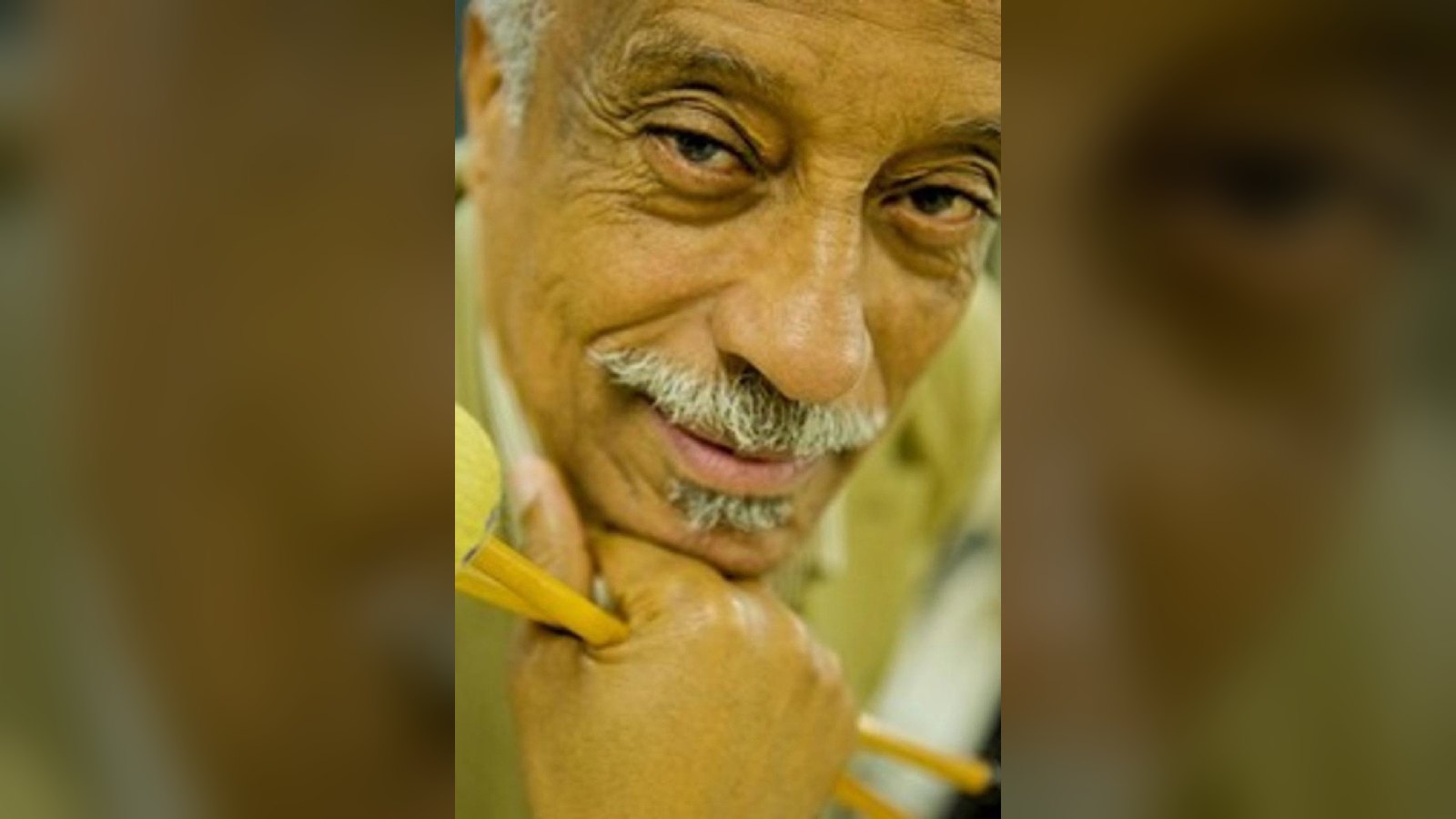
The music of Ethiopia is built on its own pentatonic modal system, called qenet, and runs from Orthodox chant and azmari minstrels to golden-age soul, Ethio-jazz and modern Amharic and Oromo pop. Its sound comes from four core modes, a set of distinctive instruments and a tradition of double-meaning poetry. This guide covers each era, the key artists and the records to start with.
What Makes Ethiopian Music Sound Ethiopian
Ethiopian music is easy to recognise even if you have never studied it. Most of that comes down to three things.
The first is the scales. Ethiopian melodies use five-note modes, but not the ones you know from blues or West African guitar music. The intervals sit in different places, so the music sounds bittersweet and slightly off-centre to Western ears.
The second is the voice. Singers use heavy ornamentation, with fast trills and melisma that bend around a single syllable. Amharic singing in particular has a quavering, almost sobbing edge.
The third is the poetry. Ethiopian lyrics reward close listening, because many lines hide a second meaning.
The Four Qenet Modes
Musicians in Ethiopia describe their scales with the word qenet (also written kignit or kiñit). There are four main modes. Each one has major and minor variants, and each carries a mood.
| Mode | Common spellings | Mood and use |
|---|---|---|
| Tizita | Tezeta, Tizeta | Longing, nostalgia, memory. The best-known mode and a song form in its own right |
| Bati | Batti | Named after a town in Wollo. Often wistful, used in love songs |
| Ambassel | Ambasel | Named after a mountain region in Wollo. Bright, with a stately feel |
| Anchihoye | Anchiye Hoye | The most unusual sounding of the four. Restless, with an exotic colour even to Ethiopian ears |
Tizita deserves its own note. The word means something close to “memory” or “nostalgia.” It describes the ache of remembering a person, a place or a time you cannot get back.
Tizita is also a type of song. Almost every major Ethiopian singer has recorded one, Mahmoud Ahmed among them. Mulatu Astatke built instrumental jazz around it. When people say Ethiopian music sounds sad and beautiful at the same time, tizita is usually what they are hearing.
Wax and Gold: The Double Meaning
Ethiopian poets prize a technique called sem-ena-werq, which translates as “wax and gold.” The idea comes from goldsmithing. A craftsman makes a wax mould, pours in molten gold and melts the wax away.
In a song, the wax is the surface meaning. The gold is the hidden one.
A line can sound like a love song and work as political criticism at the same time. For centuries this protected singers who wanted to mock a nobleman or criticise a government. It still shapes lyrics today, and it explains why Ethiopian listeners argue about what a song “really” means.
Why Spellings Never Match
You will see the same song or artist spelled three different ways. This trips up a lot of new listeners.
Amharic, Tigrinya and Ge’ez are written in the Ethiopic script, called fidel. It is an abugida, a writing system where each character combines a consonant with a vowel. In fact the linguistic term “abugida” was coined from the first letters of the Ethiopic sequence.
There is no single agreed way to convert fidel into Latin letters. So tizita becomes tezeta. Getatchew becomes Getachew. Search with more than one spelling and you will find far more music.
The Instruments of Ethiopian Music
Traditional Ethiopian music has its own toolkit. Several of these instruments show up in modern pop and jazz recordings too, so it pays to know them by ear.
| Instrument | Type | What it sounds like | Where you hear it |
|---|---|---|---|
| Masenqo | One-string bowed fiddle | Nasal, vocal, sliding | Azmari performances, folk bands |
| Krar | Five or six-string lyre | Bright, plucked, rhythmic | Secular songs, pop arrangements |
| Begena | Large ten-string lyre | Deep, with a buzzing drone | Meditative religious song |
| Washint | Bamboo flute | Breathy, pastoral | Highland folk music |
| Kebero | Large hand drum | Deep, driving | Church ceremonies, celebrations |
| Tsenatsel | Metal sistrum | Shimmering rattle | Orthodox liturgy |
| Embilta | End-blown flute, one note each | Played in interlocking groups | Ceremonies and festivals |
The masenqo is the most distinctive. It has one string of horsehair, a diamond-shaped wooden body covered in skin, and a bow. In skilled hands it follows the voice so closely it seems to sing along.
The krar is its partner. Many modern Ethiopian pop songs swap it for electric guitar, but the plucking patterns survive.
The begena is something else entirely. It is tall, heavy and played with a buzzing tone produced by leather strips placed against the strings. It is used for spiritual reflection, especially during Lent, rather than for parties. Alemu Aga is the begena player most international listeners discover first.
Sacred Roots: Chant, Saint Yared and Manzuma
To understand music in Ethiopia, you start in the church.
Ethiopian Orthodox tradition credits Saint Yared, a sixth-century figure, with creating the liturgical chant called zema. According to that tradition, he organised it into three modes: ge’ez, ezel and araray. Church scholars later developed a notation system of small signs written above the text.
Trained cantors called debtera perform this chant. They sing, sway and mark time with prayer staffs, backed by kebero drums and the tsenatsel sistrum. If you visit during Timket (Epiphany) or Meskel, the festival of the True Cross, you will hear this music in the streets as well as in church.
Ethiopia also has deep Islamic musical traditions. In Wollo and Harar, manzuma is a devotional sung poetry, usually in Amharic or Oromo, focused on praise of the Prophet and moral teaching. It is a reminder that Ethiopian music is far bigger than the Orthodox highlands.
The Azmari Tradition
If chant is the sacred side of Ethiopian music, the azmari is the secular heart.
Azmaris are singer-poets. Traditionally they travelled, played masenqo or krar, and performed for weddings, feasts and noble courts. They could praise you, flatter you or roast you in verse. Often all three in one night.
The key skill is improvisation. A good azmari reads the room and composes lines on the spot about the people in front of them. Wax and gold is their weapon. A compliment can carry a sting that only half the audience catches.
Azmaris have held an odd social position. They were valued as entertainers and sometimes feared as critics, but they were not always respected. Historically they also carried news from town to town.
Azmari Bets Today
In Addis Ababa, the tradition lives on in azmari bets: small bars where musicians perform nightly. You sit close, drink tej (honey wine) or beer, and the azmari works the crowd. Tip them and you may hear your name in a verse.
The best-known is Fendika, an azmari bet and cultural centre in the Kazanchis area run by dancer Melaku Belay. Fendika is known internationally for keeping traditional music and the shoulder-heavy eskista dance alive, and for hosting experimental collaborations too.
Many azmari bets cater to tourists now. The good ones still feel local. Go late, sit near the front and expect to be part of the show.
Regional Sounds Beyond Amharic
Most international writing about Ethiopian music focuses on Amharic songs from the highlands. That leaves out much of the country. Ethiopia has more than 80 languages, and many of them have their own musical styles.
Oromo Music
The Oromo are Ethiopia’s largest ethnic group, and Oromo music has a long history of its own. Song forms such as geerarsa (heroic chant) carry history and praise.
Ali Birra, born in Dire Dawa in 1950, is the towering figure of modern Oromo song. His career spans decades and he remains a symbol of Oromo cultural pride.
The most important Oromo singer of recent years is Hachalu Hundessa. His songs became anthems of the Oromo protest movement in the 2010s, and “Maalan Jira” ranks among his best-known. He was shot dead in Addis Ababa on June 29, 2020. His killing set off major unrest across the country. His music is still widely played.
Tigrinya Music
In Tigray, music is driven by the krar and the circular guayla dance. Rhythms are often in a loping, swinging pattern that sounds very different from Amharic songs. Tigrinya music is also shared with neighbouring Eritrea, where the same language is spoken.
Gurage, Wolaita and the South
The Gurage are known for fast, energetic dance music with sharp, jumping movements. Wolaita music has its own hip-shaking rhythms that have become popular across Ethiopia through music videos.
Further south, in the Omo Valley and among peoples such as the Dorze and Konso, you find vocal polyphony. Groups sing interlocking parts, layered and repeating. It is a different world from the solo ornamentation of Amharic singing.
If you enjoy these regional styles, the contrasts with East African neighbours are worth exploring too. Our article on Kenya music traces how benga and gengetone developed just across the southern border.
Brass, Bands and the Golden Age (1924 to 1974)
Modern Ethiopian popular music began, oddly enough, with a group of orphans.
The Arba Lijoch
In 1924, Ras Tafari (later Emperor Haile Selassie) visited Jerusalem. There he heard a brass band of Armenian orphans who had survived the genocide. He adopted them and brought them to Addis Ababa.
They became known as the Arba Lijoch, Amharic for “forty children.” Their bandleader, Kevork Nalbandian, composed the music for Ethiopia’s first national anthem in 1930.
This planted brass music in the heart of the Ethiopian state. Later, Kevork’s nephew Nerses Nalbandian became a key arranger and teacher, helping adapt Ethiopian melodies for big-band instruments.
The Institutional Bands
By the 1950s and 1960s, live popular music in Ethiopia was dominated by state-backed orchestras. The most famous were:
- The Imperial Bodyguard Band, attached to Haile Selassie’s guard
- The Police Orchestra
- The Army Band
- The Haile Selassie I Theatre orchestra
These bands paid salaries, trained musicians and played everything from military marches to dance music. Many of the great golden-age singers came up inside them.
The sound mixed Ethiopian modes and vocal style with horns, electric guitars, organ and rhythms borrowed from American soul and R&B. By the late 1960s, Addis Ababa had a buzzing nightlife. People later called the city “Swinging Addis.”
Voices of the Golden Age
These are the names you will meet again and again in Ethiopian music history.
Tilahun Gessesse (1940 to 2009) is called “The Voice.” He sang with the Imperial Bodyguard Band and became the most beloved singer of his generation. His death in April 2009 brought huge crowds into the streets of Addis Ababa.
Mahmoud Ahmed, born in 1941, started out doing odd jobs at the Imperial Bodyguard club before stepping up to sing. His album Ere Mela Mela first came out in Ethiopia in 1975. A 1986 reissue on the Belgian label Crammed Discs introduced him to listeners in Europe.
Alemayehu Eshete earned the nickname “the Ethiopian Elvis” for his energetic, rock-influenced style. He died in May 2021.
Hirut Bekele was one of the leading female voices of the era, with a long career that started in the 1960s.
Bizunesh Bekele was another major female singer, closely linked to the Imperial Bodyguard Band.
Muluken Melesse and Menelik Wossenachew also had big hits in the period. Their recordings appear on many reissue compilations today.
Amha Eshete and the Record Labels
Recording was slow to arrive. For years, the state had tight control over music, and few records were made locally.
That changed in 1969 when Amha Eshete, a record shop owner, founded Amha Records. He released singles by golden-age stars and helped create a home recording industry. Other labels followed, including Kaifa Records and Philips Ethiopia.
Over the next five years, these labels pressed hundreds of singles and a smaller number of albums. That short burst is the source of almost every golden-age recording you can find today.
Ethio-Jazz and Mulatu Astatke
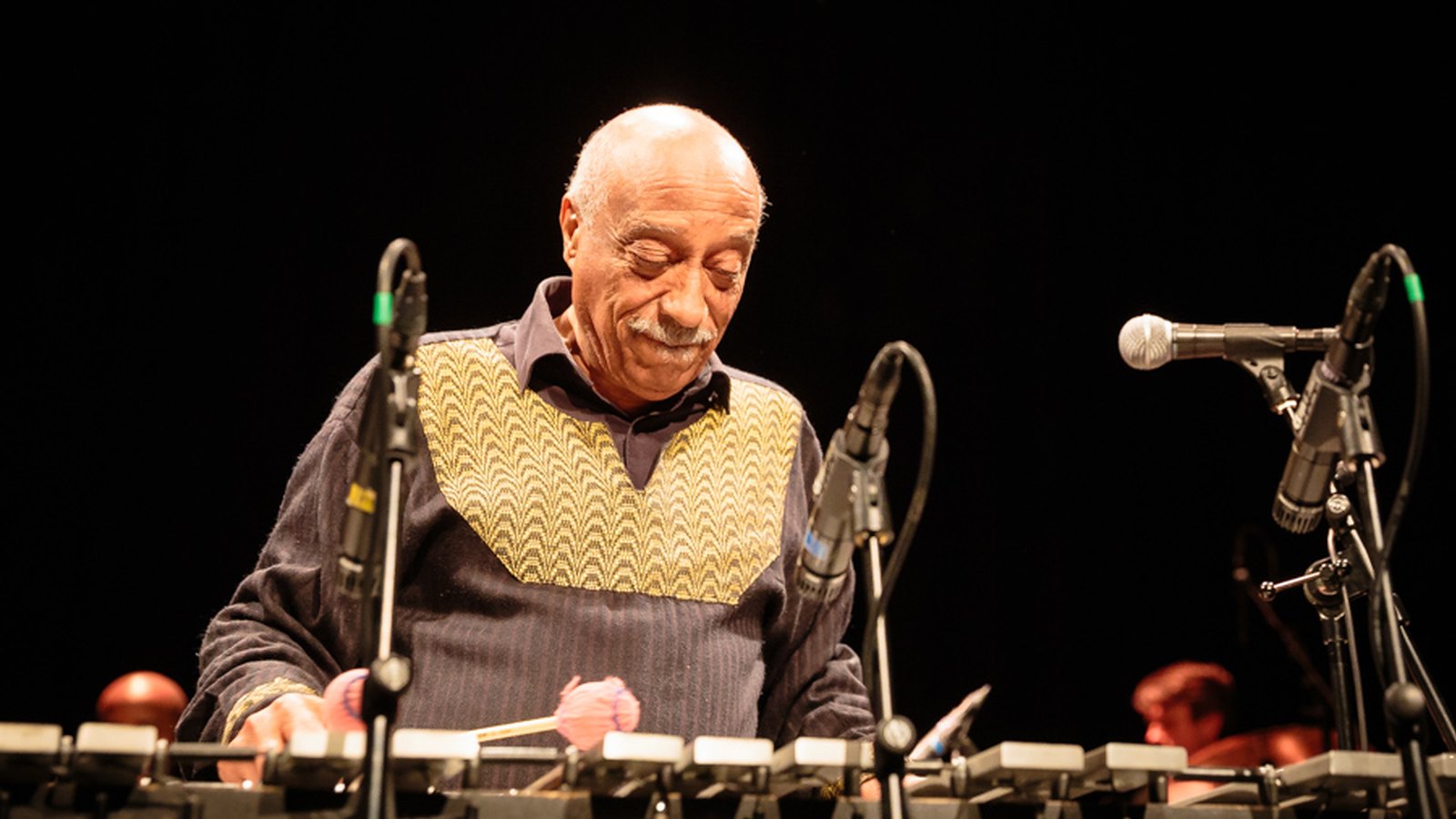
Ethio-jazz is the sound most people outside Ethiopia know first. Its main architect is Mulatu Astatke.
Mulatu was born in Jimma in 1943. He studied music abroad, in London and then in the United States, where he attended Berklee College of Music in Boston. In New York he soaked up jazz and Latin music, and he started blending both with Ethiopian modes.
The result was instrumental music built on the qenet scales, played with vibraphone, organ, horns and congas. It sounds cool, hypnotic and slightly mysterious.
Key Mulatu recordings:
- Mulatu of Ethiopia (1972, Worthy Records), recorded in New York. It includes “Yègellé Tezeta” and “Kasalefkut-Hulu.”
- Yekatit Ethio-Jazz (1974, Amha Records), recorded in Addis Ababa.
- “Yekermo Sew”, which reached a new generation through Jim Jarmusch’s 2005 film Broken Flowers.
Mulatu’s influence keeps spreading. Nas and Damian Marley sampled “Yègellé Tezeta” for “As We Enter” on their 2010 album Distant Relatives. He also recorded with the London group The Heliocentrics on Inspiration Information Vol. 3 (2009) and released Mulatu Steps Ahead (2010) and Sketches of Ethiopia (2013).
Listen next
Play Mulatu Astatke’s “Yègellé Tezeta,” then Nas and Damian Marley’s “As We Enter” to hear how a 1972 tizita became a hip-hop loop.
Getatchew Mekurya and the Saxophone
Saxophonist Getatchew Mekurya took a different route into jazz. He adapted shellela, a fierce, chanted war-cry tradition, to the tenor sax. The sound is raw, wild and closer to free jazz than to Mulatu’s polished grooves.
He was later celebrated in Europe, especially through his collaboration with the Dutch punk band The Ex. He died in April 2016.
Emahoy Tsegué-Maryam Guèbrou
One of the most unusual voices in Ethiopian music history belonged to a nun.
Emahoy Tsegué-Maryam Guèbrou was born Yewubdar Gebru in 1923. She studied classical music, then took religious vows and spent much of her life in a monastery. Her solo piano works blend Western classical technique with Ethiopian modes and church melody.
“The Homeless Wanderer” is her most famous piece. Her music reached international listeners through the Éthiopiques reissue series, and she died in Jerusalem on March 26, 2023, aged 99.
The Derg Years and the Diaspora (1974 to 1991)
In 1974, a military group known as the Derg overthrew Haile Selassie. Swinging Addis came to an abrupt stop.
The new regime imposed curfews that killed nightlife. Clubs closed early or shut down. Lyrics faced censorship, and songs were expected to serve the revolution. Many musicians and label owners left the country.
Music did not stop, though. It changed shape.
The Hotel Bands
A few bands kept playing, often in hotels. The most important were:
- The Walias Band, linked to the Hilton in Addis Ababa. Keyboardist Hailu Mergia was a central member, and the band worked with Mulatu Astatke.
- The Roha Band, which backed many of the biggest singers of the 1980s.
- The Dahlak Band, another busy backing group of the era.
The Cassette Era
Vinyl production faded. Cassettes took over, cheap to copy and easy to sell. Synthesizers and drum machines crept in during the 1980s.
Hailu Mergia’s story is the classic example. In 1985 he recorded Hailu Mergia & His Classical Instrument, a mostly solo album of accordion, keyboard and Moog. It sold on cassette and faded from view.
Years later, Hailu was driving a taxi in Washington, D.C. Brian Shimkovitz, founder of the label Awesome Tapes From Africa, reissued the album. That led to a full comeback, including the new albums Lala Belu (2018) and Yene Mircha (2020).
Famine, Headlines and What the World Missed
In 1984 and 1985, famine in Ethiopia became a global news story. It prompted Band Aid and USA for Africa. You can read about the singers in USA for Africa and the “We Are the World” sessions in our separate feature.
Those charity records shaped how much of the world pictured Ethiopia for decades. Ethiopian musicians themselves were largely absent from that story, even as they worked through curfews, censorship and exile. That gap is worth remembering whenever you hear the country reduced to one image.
Washington, D.C. and the Diaspora Stars
Washington, D.C. became the capital of the Ethiopian diaspora, with restaurants and clubs that hosted live music. Other communities grew in Los Angeles, London, Toronto and Tel Aviv.
Aster Aweke is the key diaspora star. She was born in Gondar and moved to the United States in the early 1980s. Her albums Aster and Kabu introduced her to world music audiences around 1989 to 1991. Her voice, raw and soulful, made her one of the best-known Ethiopian singers anywhere. The Weeknd, born in Toronto to Ethiopian parents, has named her as an early influence.
Ephrem Tamiru (also spelled Ephrem Tamru) became one of the most popular male singers of the 1980s and 1990s, with romantic songs that remain wedding staples.
Neway Debebe was another big voice of the 1980s, admired for his clear tone and lyrical skill.
Abatte Barihun, an Ethiopian-born saxophonist based in Israel, has carried Ethiopian modes into jazz settings abroad.
Éthiopiques and the Global Rediscovery
For most of the world, the golden age was invisible until the late 1990s. Then a Frenchman with a record collection changed that.
Francis Falceto had become obsessed with Ethiopian music in the 1980s. In 1997 he launched Éthiopiques, a reissue series on the French label Buda Musique. It has since run to about 30 volumes.
The series gathered singles from Amha, Kaifa and other labels and put them on CD with detailed notes. Volume 4, Ethio Jazz & Musique Instrumentale 1969-1974, focused on Mulatu Astatke. Other volumes covered Mahmoud Ahmed, Tilahun Gessesse, Alemayehu Eshete, Getatchew Mekurya and Emahoy Tsegué-Maryam Guèbrou.
Éthiopiques inspired a wave of new bands outside Ethiopia:
- The Either/Orchestra from Boston played the Ethiopian Music Festival in Addis Ababa in 2004. Their set was released as Live in Addis, volume 20 of the series.
- The Ex, the Dutch punk band, built a long partnership with Getatchew Mekurya.
- Debo Band in the United States and Black Jesus Experience in Australia both built careers on Ethiopian grooves.
Landmark Recordings at a Glance
| Year | Recording | Artist | Label | Why it matters |
|---|---|---|---|---|
| 1972 | Mulatu of Ethiopia | Mulatu Astatke | Worthy Records | Defining Ethio-jazz album |
| 1974 | Yekatit Ethio-Jazz | Mulatu Astatke | Amha Records | Ethio-jazz recorded in Addis Ababa |
| 1975 | Ere Mela Mela | Mahmoud Ahmed | Kaifa Records | Golden-age classic; 1986 Crammed Discs reissue went global |
| 1985 | Hailu Mergia & His Classical Instrument | Hailu Mergia | Cassette release | Reissued 2013 by Awesome Tapes From Africa |
| 1997 | Éthiopiques series begins | Various | Buda Musique | Brought the golden age to world audiences |
| 2001 | Abugida | Teddy Afro | Ethiopian release | Debut of the biggest modern Ethiopian star |
| 2001 | Gigi | Gigi | Palm Pictures | Global crossover produced by Bill Laswell |
| 2005 | Live in Addis | Either/Orchestra | Buda Musique | Western band playing Ethiopian music in Addis |
| 2017 | Ethiopia | Teddy Afro | Ethiopian release | Reached No. 1 on Billboard’s World Albums chart |
| 2018 | Lala Belu | Hailu Mergia | Awesome Tapes From Africa | First new album in decades |
Modern Ethiopian Pop: Teddy Afro and After
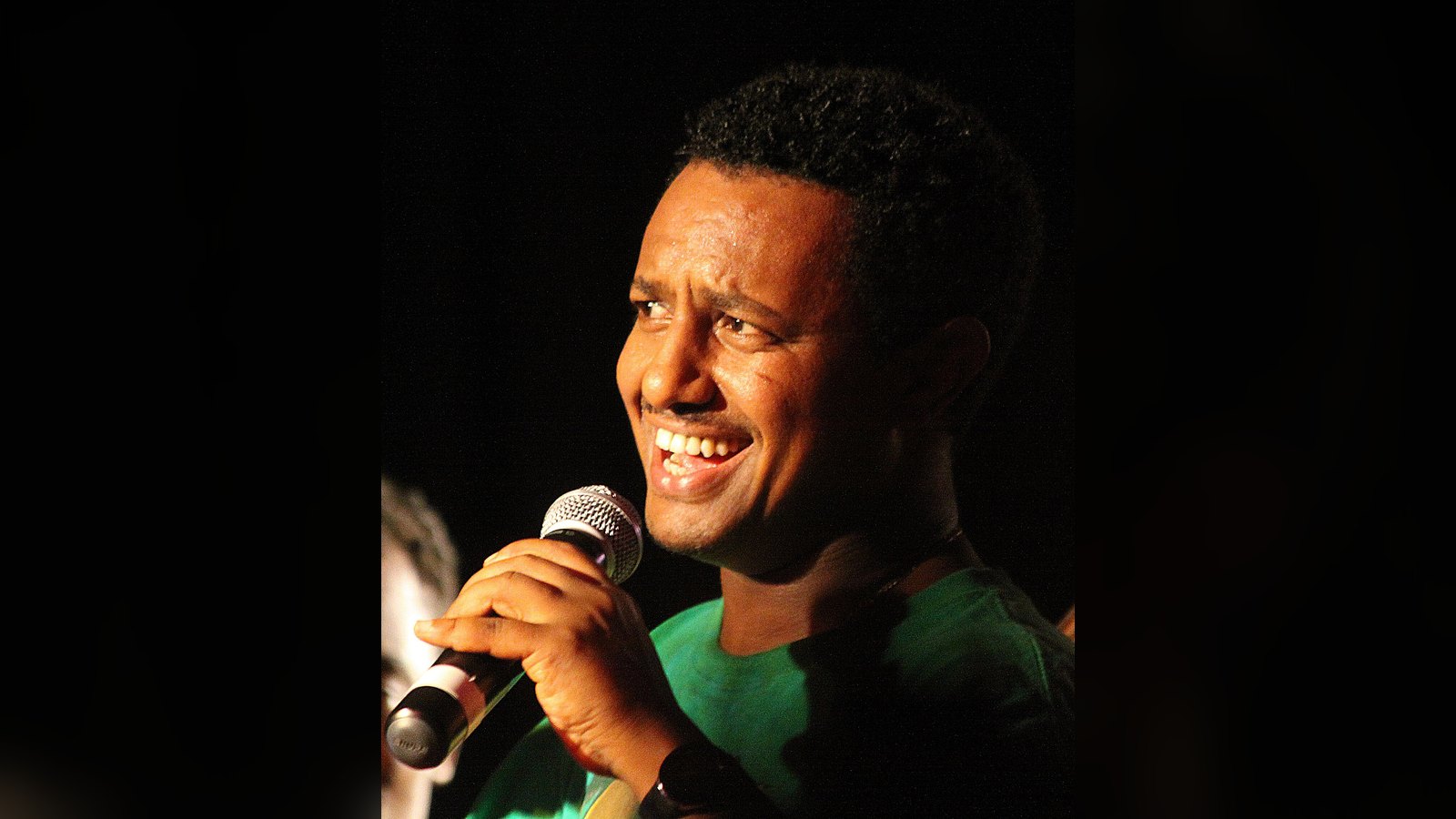
The Derg fell in 1991. A new government came in, censorship loosened, and private studios multiplied. Popular music in Ethiopia exploded again, this time driven by keyboards, CDs and later YouTube.
Teddy Afro
Teddy Afro, born Tewodros Kassahun, is the biggest Ethiopian star of the modern era.
His 2001 debut album Abugida took its name from the Ethiopic script itself. That choice told you a lot. Teddy Afro built his career on Ethiopian identity, history and unity, mixed with reggae, pop and traditional melodies.
His 2005 album Yasteseryal was a massive seller and turned him into a national figure. Several of its songs were read as political commentary, and that wax-and-gold quality made him both loved and controversial.
Tikur Sew followed in 2012. The title means “Black Man,” a reference to Emperor Menelik II and the Ethiopian victory over Italy at Adwa in 1896.
His 2017 album Ethiopia reached No. 1 on Billboard’s World Albums chart. That was a rare moment of Western chart recognition for an Amharic-language record.
Love songs remain central to his catalogue. Words such as fikir (love) and desta (joy) run through his lyrics, as they do across Amharic pop.
The Wider Amharic Pop Scene
Teddy Afro towers over the scene, but he is far from alone. These artists show the range of music from Ethiopia over the last 25 years.
- Zeritu Kebede is a singer and songwriter known for soulful, polished pop and gospel-tinged work.
- Tamrat Desta was one of the most popular male singers of the 2000s, with smooth romantic songs.
- Haileyesus Feyssa is a contemporary singer whose love songs have built a large following online.
- Gossaye Tesfaye is known for his ballads and traditional-leaning vocal style.
- Jano Band mixed Ethiopian melody with hard rock. Their album Ertale introduced a new, louder sound to Addis Ababa.
- Gigi (Ejigayehu Shibabaw) moved to the United States and made her 2001 self-titled album with producer Bill Laswell, combining Ethiopian song with jazz, funk and ambient sounds.
Electronic, Hip-Hop and the New Generation
Younger producers in Addis Ababa now blend Ethiopian modes with electronic music. Rophnan is the best-known of this wave, building large audiences with music that sits between EDM and Ethiopian pop.
Ethiopian hip-hop and R&B have grown too, with artists rapping in Amharic and mixing local slang with global beats. YouTube is the main battleground. Many Ethiopian hits rack up their biggest numbers there rather than on Spotify or Apple Music, which have patchier coverage of the local catalogue.
Oromo, Tigrinya and Wolaita pop are booming in parallel. Each scene has its own stars, radio stations and video channels.
A Short Glossary for Decoding Song Titles
You do not need to speak Amharic to enjoy the music. But a few words come up constantly in song titles, and knowing them helps you follow along.
| Word | Meaning | Where you will see it |
|---|---|---|
| Tizita | Memory, nostalgia, longing | Song titles and the mode |
| Fikir | Love | Countless love songs |
| Desta | Joy, happiness | Celebration songs; also a common name |
| Meret | Land, earth, soil | Patriotic and rural songs |
| Hagere | My country | Patriotic songs |
| Endet | How | Questions and laments (“how could you…”) |
| Arenguade | Green | Imagery of land, spring and renewal |
| Birabiro | Butterfly | Love songs and playful imagery |
| Hewan | Eve | Biblical imagery in love songs |
Keep wax and gold in mind. A song about green land might really be about a person, a region or a political moment.
Ethiopian Music and Afrobeats: Not the Same Thing
Myth
Ethiopian music is often lumped in with Afrobeats as one “African sound.” The two have separate roots, scales, languages and industries. Afrobeats grew out of Nigeria and Ghana, while Ethiopian pop is built on qenet modes and Amharic, Oromo and Tigrinya song traditions.
This matters if you follow African charts. Ethiopian songs rarely appear on Billboard’s U.S. Afrobeats Songs chart or the UK Official Afrobeats Chart, and Nigeria’s TurnTable Top 100 tracks Nigerian consumption. That is not because Ethiopian music is less popular at home. It is because those charts measure a different scene.
Our article on Afrobeats music explains where that West African sound came from. Put it side by side with an Ethiopian golden-age record and the differences jump out. Afrobeats leans on percussion and groove. Ethiopian music leans on melody, scale and the voice.
The rhythm feel differs too. Many Ethiopian songs use a swinging 6/8 or 12/8 pulse, especially in dance styles such as eskista. Afrobeats tends to sit in a steady 4/4 with layered percussion.
Where to Start Listening
You can lose months in this catalogue. Here is a starter list that covers the main eras.
| Start with | Artist | Era | Why |
|---|---|---|---|
| “Yègellé Tezeta” | Mulatu Astatke | Ethio-jazz, 1972 | Tizita mode meets jazz |
| “Yekermo Sew” | Mulatu Astatke | Ethio-jazz | The Broken Flowers track |
| Ere Mela Mela | Mahmoud Ahmed | Golden age | The classic golden-age album |
| Éthiopiques compilations | Various | Golden age | Best entry to Tilahun Gessesse and Alemayehu Eshete |
| “The Homeless Wanderer” | Emahoy Tsegué-Maryam Guèbrou | Piano | Quiet, haunting, unlike anything else |
| Hailu Mergia & His Classical Instrument | Hailu Mergia | Cassette era | Lo-fi keys and accordion |
| Kabu | Aster Aweke | Diaspora | Her most celebrated international album |
| Gigi | Gigi | 2000s crossover | Ethiopian song with global production |
| Ethiopia | Teddy Afro | Modern pop | His Billboard World Albums No. 1 |
| “Maalan Jira” | Hachalu Hundessa | Oromo | Anthem of a political movement |
| Live in Addis | Either/Orchestra | Revival | A Western band playing to an Ethiopian crowd |
| Ertale | Jano Band | Ethio-rock | Ethiopian melody with distorted guitars |
A good listening order is chronological. Start with Éthiopiques, move to Mulatu, jump to Aster Aweke, then land on Teddy Afro. You will hear the same scales and vocal ornaments survive through every change in instruments and technology.
How to Hear Ethiopian Music Live
Recordings only tell half the story. This is music built for rooms full of people.
In Addis Ababa, head to an azmari bet in the evening. Fendika is the obvious first stop for a mix of traditional music and newer experiments. Hotel lounges and clubs host live bands playing golden-age covers and current hits.
At festivals, you will hear church music outdoors. Timket in January and Meskel in September fill streets with chant, drums and processions. Enkutatash, the Ethiopian New Year in September, brings its own songs, including girls singing door to door.
Abroad, Ethiopian restaurants in Washington, D.C., London, Toronto and other diaspora cities often host live singers on weekends. Big touring stars play diaspora concerts, especially around holidays.
One tip that applies everywhere: dance. Eskista, the shoulder dance, is hard to master but nobody expects you to. Ethiopian crowds are generous with visitors who join in.
Why the Music of Ethiopia Still Matters
Ethiopia was never colonised in the way most of Africa was, apart from the Italian occupation of 1936 to 1941. That history shows in the music. Ethiopian popular music absorbed brass bands, jazz, soul, reggae and electronic sounds, but it never gave up its scales, its poetry or its vocal style.
That is the thread running through every era. A debtera chanting in Ge’ez, an azmari improvising in a Kazanchis bar, Mulatu leaning on a vibraphone in a New York studio and Teddy Afro filling a stadium are all working with the same musical DNA.
You can start anywhere. Just start with your ears open for tizita.
FAQ
What is the traditional music of Ethiopia?
Traditional Ethiopian music includes Orthodox church chant (zema), azmari minstrel songs, regional folk styles such as Oromo geerarsa and Tigrinya guayla, and Islamic manzuma. Most of it is built on pentatonic modes called qenet and played on instruments such as the masenqo, krar, begena and kebero.
What does tizita mean?
Tizita means memory or nostalgia, a deep longing for someone or something in the past. It is the name of one of the four main Ethiopian modes and also a type of song. Many of Ethiopia’s biggest singers have recorded a tizita.
Who is the most famous Ethiopian musician?
Inside Ethiopia, Teddy Afro is the biggest modern star, and Tilahun Gessesse is the most revered singer of the golden age. Internationally, Mulatu Astatke is the best-known name thanks to Ethio-jazz, film soundtracks and hip-hop samples.
Who created Ethio-jazz?
Mulatu Astatke is widely credited as the father of Ethio-jazz. He combined Ethiopian modes with jazz and Latin music in the late 1960s and early 1970s, most famously on Mulatu of Ethiopia (1972).
Is Ethiopian music sung only in Amharic?
No. Amharic dominates international releases, but Ethiopian music is performed in many languages, including Oromo, Tigrinya, Gurage languages, Wolaita and Somali. Oromo music in particular has a huge audience and its own stars, such as Ali Birra and Hachalu Hundessa.
Is Ethiopian music the same as Afrobeats?
No. Afrobeats comes from Nigeria and Ghana and is driven by groove and percussion. Ethiopian music has its own modal system, languages and history, and it rarely appears on Afrobeats charts.
What is the best way to start listening to Ethiopian music?
Begin with the Éthiopiques compilations for the golden age, then Mulatu Astatke’s Mulatu of Ethiopia. Follow with Aster Aweke’s Kabu and Teddy Afro’s Ethiopia to hear how the sound evolved.