Adaeze Nwosu

  • Papaoutai Lyrics with English Translation and Meaning

    Papaoutai Lyrics with English Translation and Meaning

    “Papaoutai” is Stromae’s 2013 song, and the title is a sound-spelling of the French question “Papa, où t’es?”, which means “Dad, where are you?” The lyrics follow a child asking why his father is never around. In the second verse the same question is turned on a whole generation of future fathers. Below you get the meaning of every section, the key French phrases with English translations, and the story behind the song.

    Last updated: October 29, 2026

    ArtistStromae
    ReleasedMay 2013
    AlbumRacine carrée
    LanguageFrench
    ThemeAbsent father

    What “Papaoutai” Means in English

    The title is one word on the cover, but it is really four words sung fast. “Papa” means dad. “Où” means where. “T’es” is the spoken short form of “tu es”, meaning “you are.” Put together, “Papa, où t’es?” translates to “Dad, where are you?”

    Stromae spelled it as one word so you read it the way it sounds. Sung quickly, the phrase blurs into “pa-pa-oo-tay.” That blurring is part of the point. It sounds like a nursery chant, the kind of thing a small child repeats until the words stop meaning anything.

    This also explains the common search “papa ute lyrics.” People who don’t speak French hear the chorus and write down what they think they heard. “Papa ute,” “papa outé” and “papa wutai” all point to the same song and the same line.

    Myth

    Many listeners assume “papaoutai” is a Spanish, Italian or invented dance word. It isn’t a word at all. It is the French question “Papa, où t’es?” (“Dad, where are you?”) written the way it sounds when sung.

    Why This Page Doesn’t Print the Full Lyrics
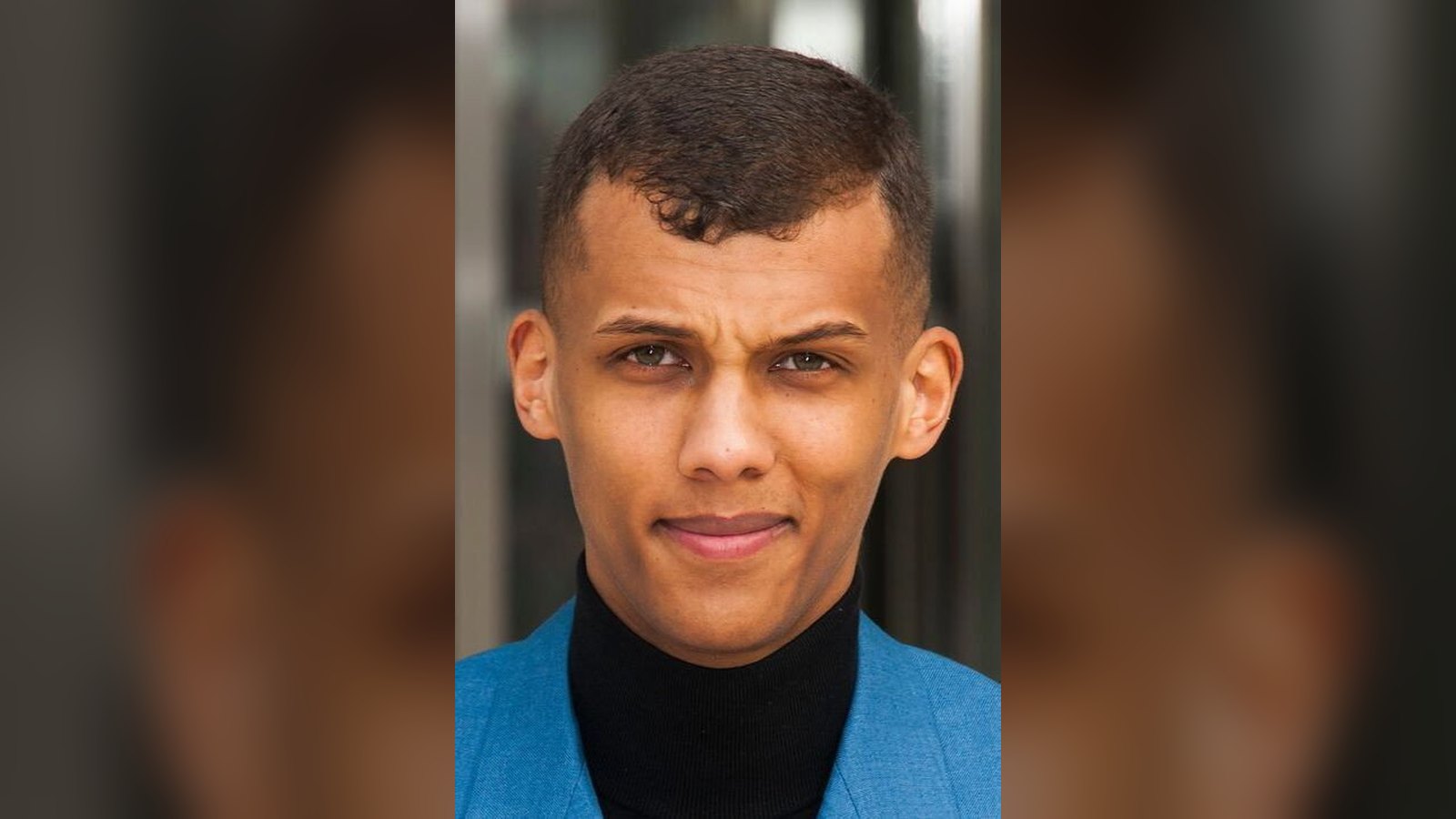
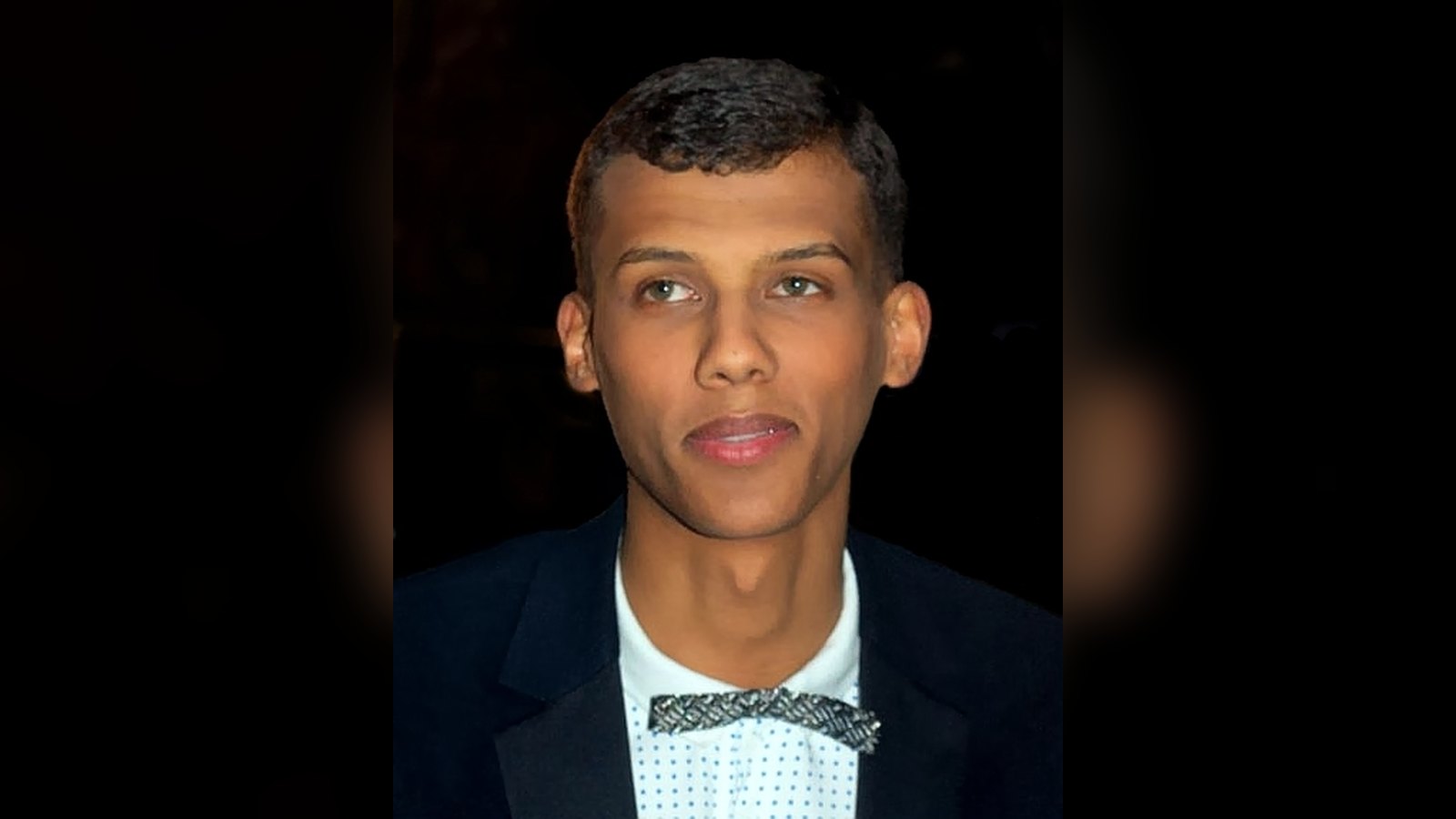
    Stromae
    Stromae. Photo: TMDB

    The lyrics of “Papaoutai” are copyrighted, and so is any full translation of them. This article explains the song in our own words. It quotes only a few words at a time where you need the original French to follow an idea.

    For the complete French text, use a licensed source. Spotify, Apple Music, Amazon Music and YouTube Music show synced lyrics for the track in most regions. Read them alongside the explanations here and you will understand the song better than a word-for-word English version could manage.

    Word-for-word translations of this song often miss the meaning. Much of the lyric works through puns, double meanings and sound. A literal English version keeps the words and loses the jokes, and the jokes carry a lot of the sadness.

    The Story Behind the Song

    Stromae is the stage name of Paul Van Haver, born in Brussels in 1985 to a Belgian mother and a Rwandan father. The name comes from verlan, the French slang that flips syllables: “maestro” becomes “Stromae.”

    His father, the architect Pierre Rutare, was mostly absent from his childhood. He was killed in the 1994 genocide against the Tutsi in Rwanda, when Paul was nine. That history sits underneath “Papaoutai,” and it is the main reason the song has stayed so heavy for so many listeners.

    The lyrics never mention Rwanda, the genocide or any personal detail. There are no names and no places. The father in the song could be dead, divorced, working abroad or just emotionally checked out. Stromae writes the absence without saying why, and that blank space lets millions of people put their own father into it.

    “Papaoutai” came out in May 2013 as the lead single from his second album, Racine carrée, released that August. The album title means “square root,” and “racine” also means “root” in the family sense. A song about not knowing where your father is fits an album named after roots.

    Papaoutai at a glance

    Detail Fact
    Artist Stromae (Paul Van Haver)
    Single release May 2013
    Album Racine carrée (August 2013)
    Writer Stromae
    Language French
    Video director Raf Reyntjens
    Home country Belgium
    Chart high points No. 1 in France and Belgium
    Previous breakout hit “Alors on danse” (2009)

    Papaoutai Lyrics Meaning, Section by Section

    The song has a simple shape: two verses, a short build-up section before each chorus, and the chorus itself, which repeats the title question over and over. The table maps each part to what it is doing.

    Section Who is speaking What it’s about
    Verse 1 The child Repeating what Mum says about Dad
    Pre-chorus The child Asking where Dad is hiding
    Chorus The child “Dad, where are you?” on repeat
    Verse 2 A grown-up “we” Asking what makes a good or bad father
    Second pre-chorus The grown-up “we” Same hiding question, now collective
    Final choruses Everyone The question with no answer

    Verse 1: Everything Mum says

    The first verse opens with a demand: tell me where he comes from, and then I’ll know where I’m going. This is the thesis of the whole song. Without knowing his origin, the child can’t picture his future.

    Then the verse becomes a list of things Mum says. She says that if you look hard enough, you always find what you’re searching for. She says Dad is never far away and that he leaves very often for work. She says working is good, much better than being in bad company.

    That last line twists a common French proverb, “mieux vaut être seul que mal accompagné,” which means “better to be alone than in bad company.” Mum bends it into an excuse. Dad’s absence becomes a virtue. Working is better than whatever else he could be doing.

    The verse ends with a small, two-word question tag: “pas vrai?” It means “right?” or “isn’t that true?” You can hear the child asking for reassurance. You can also hear an adult voice who already knows Mum’s story doesn’t add up.

    Pre-chorus: Hide and seek

    Here the child asks where your dad is. Maybe he’s asking a friend, or maybe he’s mimicking what other kids ask him. Then he describes the father he imagines: one who knows what’s wrong without even having to talk.

    Next comes “ah, sacré papa.” “Sacré” literally means sacred, but in casual French it means something like “you old so-and-so” or “good old Dad.” The tone is fond, exasperated and a little sarcastic all at once.

    Then the child asks where Dad is hiding, and says he must have counted his fingers at least a thousand times. That is a hide-and-seek image. A kid counts, opens his eyes and goes looking. This kid has counted a thousand times and nobody has turned up.

    Chorus: One question, no answer

    The chorus is the title question repeated until it stops sounding like words. There’s no rhyme, no story and no resolution. Musically it is the catchiest part of the song, the bit crowds shout back at concerts. The lyric itself is the most painful line in the song.

    This contrast is typical Stromae. He puts the bleakest idea on top of the most danceable hook, so you end up singing about abandonment on a dancefloor without fully noticing.

    Verse 2: The know-it-all and the thumb

    The second verse changes the speaker. “Je” (I) becomes “on” and “nous” (we). The child has grown up, and now he’s thinking about the day he becomes a father himself.

    He says that whether we believe it or not, one day we’ll stop believing. Sooner or later we’ll all be dads, and from one day to the next we’ll have disappeared. Disappearing is something fathers do in this song, and the speaker fears he will do it too.

    Then come four questions. Will we be hateful? Will we be admirable? Will we be begetters or geniuses? Who gives birth to irresponsible people? The word “géniteurs” means biological parents, people who supply the genes. “Génies” means geniuses. Stromae asks whether men will just be the biological source of a child or something better.

    The sharpest line of the song follows. Everybody knows how babies are made, but nobody knows how dads are made. Biology is easy. Fatherhood isn’t, and nobody teaches it.

    He then mocks a “Monsieur Je-sais-tout,” a Mr. Know-It-All, who supposedly inherited this knowledge. Then he asks whether you have to suck it from your thumb. The thumb-sucking image drags the grown man back to infancy. It also mocks the idea that fatherhood is an instinct you pull out of nowhere.

    The verse closes by echoing the first pre-chorus, with one key change. In verse one the child counted his fingers. In verse two “we” have chewed our fingers a thousand times. Patient counting has turned into anxious gnawing.

    The ending: Back to the question

    The song returns to the chorus and ends on it. There’s no reunion and no lesson. The last thing you hear is still the question. Stromae refuses to give the listener an answer the child never got.

    10 Papaoutai Lines Explained in English

    These are the ten moments that carry the most meaning. Each one uses only a few words of the original French so you can find it in the song.

    1. “D’où il vient” (where he comes from). The opening asks where Dad comes from, so the child can know where he’s going. Origin and direction are linked, which ties straight back to the album’s “roots” title.

    2. “On finit toujours par trouver” (you always end up finding). This is Mum’s optimism. It sounds like encouragement to a child. By the end of the song it sounds like a promise she couldn’t keep.

    3. “Il part très souvent travailler” (he very often goes off to work). “Souvent” means often, and “très souvent” means very often. It’s the classic cover story an adult tells a child. The phrasing is vague on purpose, because Mum is managing what the child knows.

    4. “Mal accompagné” (in bad company). This is where the twisted proverb lands. Mum says working beats bad company. A French listener hears the original proverb behind it, “better alone than in bad company,” and catches the hint that Dad being away might be the better outcome.

    5. “Sans même devoir lui parler” (without even having to talk to him). “Parler” means to speak or talk. The child imagines a father who understands without words. You can also read it bitterly: a father he never actually gets to talk to.

    6. “Ah, sacré papa” (oh, good old Dad). This is affection and irritation squeezed into three words. “Sacré” is the kind of word you use about a relative you love and can’t rely on.

    7. “Compté mes doigts” (counted my fingers). This is hide and seek, and it’s also a child counting days. It also hints at the “mille fois,” the thousand times, that he has waited.

    8. “Géniteurs ou des génies” (begetters or geniuses). This is the best pun in the song, built on the shared root “géni-“. Will men just provide genes, or will they be brilliant at the job? English has no single pair of words that does this.

    9. “Comment on fait des papas” (how you make dads). This is the thesis of verse two. Everyone knows how babies are made, and nobody knows how fathers are made. If you only remember one line in translation, make it this one.

    10. “L’sucer d’son pouce” (suck it from your thumb). The verb “sucer” means to suck. The line asks whether you’re meant to get fatherly knowledge by sucking your thumb, like a baby. It’s a mocking, almost angry question aimed at the idea that men just know.

    Papaoutai Vocabulary Breakdown

    If you are learning French, this song is a good lesson. It’s full of everyday spoken French, a couple of proverbs and one very useful grammar point. The table covers the words and expressions that matter most.

    French Literal English How it works in the song
    Où t’es? Where you are? Spoken form of “où es-tu?” (where are you?)
    Dis-moi / dites-moi Tell me Informal vs. formal or plural “tell me”; the child uses both
    Je vais I go / I’m going “Où je vais” means where I’m heading in life
    Souvent Often Mum’s excuse: he leaves often for work
    Mal accompagné Badly accompanied Twist on “better alone than in bad company”
    Parler To speak The father who understands without speaking
    Sacré Sacred Casual: “good old,” “darn,” affectionate scolding
    Caché Hidden Ties into the hide-and-seek image
    Détestables Detestable, hateful Rhymes with “admirables”
    Admirables Admirable The good-father possibility
    Géniteurs Biological parents Paired with “génies” (geniuses) for a pun
    Irresponsables Irresponsible people Who gives birth to them?
    Monsieur Je-sais-tout Mr. I-know-everything French for “know-it-all”
    Aurait hérité Would have inherited Conditional used for hearsay or doubt
    Sucer To suck Thumb-sucking, infancy, instinct
    Bouffer To eat (slang) Chewing fingers from nerves

    The grammar point: “aurait” and the doubtful conditional

    One line says Mr. Know-It-All “en aurait hérité,” meaning he would have inherited it. French uses the conditional this way to report something you don’t fully believe. News anchors use it for unconfirmed claims, like “the minister reportedly resigned.”

    So the line doesn’t state that the know-it-all inherited fatherly wisdom. It’s closer to “supposedly he inherited it, is that it?” Sarcasm is built into the verb form. Many English translations flatten this into a plain statement, and that loses the bite.

    “Tu” and “vous” in the same song

    Pay attention to “dis-moi” versus “dites-moi.” “Dis-moi” uses the informal “tu” form. You say it to one person you know well, such as a child, a friend or family. “Dites-moi” uses “vous,” which is either polite or plural.

    The song moves between them. The child says “dis-moi” in the pre-chorus, talking directly and intimately. Verse two uses “dites-nous,” “tell us,” a plural demand aimed at everyone, as if the speaker is questioning society itself.

    The Wordplay You Lose in English

    Stromae writes like a rapper who grew up on French chanson. Much of the craft lives in sound, which is why “papaoutai lyrics in English” can only take you so far. Here are the effects that don’t survive translation.

    • Détestables / admirables. Both words end in “-ables,” and in the song the rhythm briefly lands on “testables” and “-mirables.” Hateful and admirable sound almost alike, which suggests a thin line between the two kinds of father.
    • Géniteurs / génies. The shared sound makes the question feel like a coin toss. A father could go either way.
    • Papa où t’es / papaoutai. Spelling the question as one word turns it into a chant, a name and a brand at once.
    • The counting echo. “Compté mes doigts” becomes “bouffé nos doigts.” The structure repeats with the verb and pronoun swapped, so you hear the child’s waiting turn into an adult’s anxiety.
    • The proverb twist. French speakers know “mieux vaut être seul que mal accompagné” the way English speakers know “better late than never.” Hearing it bent out of shape tells them Mum is improvising.

    One more interesting detail: “y aura bien un jour où on n’y croira plus” uses “croire,” to believe, in a way that recalls children and Santa Claus. In French you “y croire,” believe in it, the way kids believe in Père Noël. At some point you stop. The song links believing in an absent father to a childhood myth you eventually outgrow.

    The Music Video

    The “Papaoutai” video, directed by Raf Reyntjens, is a big reason the song travelled beyond French-speaking countries. You don’t need any French to understand it.

    Stromae plays the father. He’s made up to look like a shop mannequin, stiff and blank, dressed in a sweater vest and bow tie. A young boy tries again and again to get a reaction out of him. The father never moves on his own.

    Around them, other fathers and sons in a pastel suburban neighbourhood dance in perfect sync. The boy watches families that work. The choreography is jerky and puppet-like, and it makes the absence physical. The father is there in body and gone in every other way.

    The ending is the gut punch. The boy sits down beside his frozen father and takes the same rigid, mannequin pose. The cycle has passed to the next generation, the same fear verse two describes. Without a word, the video says the son may grow up to be the same kind of father.

    It’s one of the most-watched French-language music videos ever posted to YouTube, with well over a billion views since 2013.

    How Papaoutai Performed and Why It Lasted

    “Papaoutai” reached No. 1 in France and Belgium and charted widely across Europe. It confirmed that Stromae was more than a one-hit artist after “Alors on danse.” Racine carrée became one of the biggest French-language albums of the 2010s. Its singles included “Formidable,” “Tous les mêmes,” “Ta fête,” “Quand c’est ?” and “Ave Cesaria,” his tribute to the Cape Verdean singer Cesária Évora.

    In 2014 Stromae won several Victoires de la Musique, France’s main music awards, including male artist of the year. He toured Racine carrée through Europe, North America and Africa, and played Coachella in 2015.

    The song has lasted because it works on two levels. At a party it’s a groove with a chant you can shout. On headphones it’s a child’s grief set to a beat. Many listeners discover the second level years after loving the first, often when they finally search for the lyrics in English.

    It has also lasted because its subject never dates. Absent fathers exist in every country. The song’s refusal to say why the father is gone makes it fit almost anyone’s story.

    What came after

    Stromae stepped back from music after the Racine carrée tour, and his health was a big part of that. In 2015 he played his first concert in Kigali, Rwanda, his father’s homeland. He then cut short the African leg of the tour after a severe reaction to an antimalarial drug.

    He returned in 2022 with Multitude. That album includes “Santé,” “L’enfer,” which is about suicidal thoughts, and “Ma meilleure ennemie” with Pomme, later used in the animated series Arcane. In 2023 he cancelled tour dates on health grounds. The bluntness about pain in his later work, “L’enfer” especially, follows directly from “Papaoutai.”

    Papaoutai and Africa: Roots in the Rhythm

    TransAfrica Sounds covers African music and the diaspora, and “Papaoutai” belongs in that conversation more than people assume. Stromae is Belgian-Rwandan. Belgium was the colonial power in Rwanda, Burundi and Congo, and Brussels has a large Central African community. That cultural mix runs through his records.

    Racine carrée draws openly on African and Afro-diasporic sounds. You hear rumba-style guitar ideas and Central African rhythmic feel inside the electronic production. The Cesária Évora tribute shows where his ears point. “Papaoutai” itself is built on a midtempo, swaying groove more than a straight European house beat. That’s part of why it feels warm even when the lyrics are cold.

    If you came to African pop through afrobeats music, Stromae is a useful bridge into francophone Africa and its diaspora. That world runs from Kinshasa rumba to Abidjan coupé-décalé to Paris rap. These are different scenes from Lagos or Accra, but they share a habit of putting serious subjects over music built to move bodies.

    The lyric connects to African writing in another way too. Stories of children separated from parents by war, migration or work run through so much music from the continent. “Papaoutai” tells one of those stories with no flag on it. That’s why a song with no African words in it still resonates deeply with African listeners.

    French-Language Songs to Play Next

    If “Papaoutai” pulled you into modern French-language music, these are strong next listens. Each one connects to something in Stromae’s song: the Central African roots, the Belgian scene or the habit of pairing hard truths with big hooks.

    Song Artist Year Why it pairs with Papaoutai
    Petit pays Gaël Faye 2013 Burundian-Rwandan childhood, war and memory
    Formidable Stromae 2013 Same album; a drunken, heartbroken monologue
    Quand c’est ? Stromae 2013 Title is a pun on “cancer”; same wordplay style
    Balance ton quoi Angèle 2019 Belgian pop with a sharp social message
    Djadja Aya Nakamura 2018 Malian-French pop that went global in French
    Santé Stromae 2021 A toast to people who work while others party
    Ma meilleure ennemie Stromae & Pomme 2022 Love and hate as one feeling, used in Arcane

    Gaël Faye deserves special mention. He was born in Burundi to a French father and a Rwandan mother, and fled the region as a child. “Petit pays” later became the title of his acclaimed 2016 novel. His work and “Papaoutai” both come from the same Great Lakes history, told from a child’s point of view.

    If you prefer English-language rap that handles family and identity with the same precision, the Ghanaian rapper M.anifest is a good place to start.

    Listen next

    Play Gaël Faye’s “Petit pays” straight after “Papaoutai.” Both are 2013 songs by artists with Rwandan roots, and both look back at Great Lakes history through a child’s eyes.

    How to Use Papaoutai to Learn French

    The song works well as a lesson because the vocabulary is everyday and the hook repeats constantly. Here’s a simple way to work through it.

    1. Listen once with no text. Just catch the chorus and any words you recognise, like “papa,” “maman” and “travailler.”
    2. Read the official French lyrics on a licensed streaming service while listening. Mark every word you don’t know.
    3. Use the vocabulary table above to fill in the gaps. Focus on “dis-moi,” “souvent,” “caché” and “sacré” first, since they’re common in daily speech.
    4. Study the “aurait” line. Once you understand the doubtful conditional, you’ll start spotting it in French news and conversation.
    5. Shadow the chorus. Sing along until “papa, où t’es” comes out as fast as Stromae says it. That trains you to hear dropped vowels, like “tu es” becoming “t’es.”
    6. Rewatch the video after you understand the lyrics. The mannequin father and the final frozen pose hit harder once you know what verse two asks.

    Make sure you notice the shift from “je” to “nous” between the verses. Spotting who is speaking is a big part of reading French songs well, and this song makes the change unusually clear.

    FAQ

    What does “Papaoutai” mean in English?

    It means “Dad, where are you?” The title is the French question “Papa, où t’es?” written as one word, the way it sounds when sung quickly. “T’es” is the casual spoken form of “tu es,” meaning “you are.”

    Who sings Papaoutai?

    Stromae, the Belgian singer and producer born Paul Van Haver in Brussels in 1985, wrote and performs it. It appears on his second album, Racine carrée, released in August 2013.

    Is Papaoutai about Stromae’s father?

    It draws on his life without naming it. Stromae’s Rwandan father was largely absent from his childhood and was killed in the 1994 genocide against the Tutsi. The lyrics never mention Rwanda or any specific detail, though. The song describes an absent father in general terms, so listeners can apply it to their own lives.

    Why do people search “papa ute lyrics”?

    Non-French speakers hear the chorus and spell it the way it sounds to them. “Papa ute,” “papa outé” and similar spellings all refer to “Papaoutai” and its chorus, “papa, où t’es.”

    Is there an official English version of Papaoutai?

    Stromae recorded the song in French. The English versions you find online are translations made by fans and language sites, and they vary a lot in accuracy. Many miss the puns, especially “géniteurs” and “génies.”

    What is the saddest line in Papaoutai?

    Most listeners point to the verse-two line saying everyone knows how babies are made but nobody knows how dads are made. It shifts the song from one child’s loss to a question about every man who becomes a father.

    What does the Papaoutai music video mean?

    Stromae plays a father frozen like a mannequin while his son tries to get his attention. Other fathers and sons dance together around them. At the end the boy takes the same frozen pose beside him. It suggests absent fathers can raise sons who repeat the pattern.

    Is Papaoutai a sad song or a dance song?

    It’s both, and that’s deliberate. The groove and chant are built for dancing. The lyrics describe a child waiting for a father who never comes. Stromae often pairs heavy subjects with upbeat production, and “Papaoutai” is his best-known example.
  • What Is Detty December and How to Plan Your Trip to Lagos

    What Is Detty December and How to Plan Your Trip to Lagos

    Detty December is the stretch from mid-December into the first days of January when Lagos and Accra turn into one long party of concerts, beach days, weddings and family reunions. The name is Nigerian Pidgin, and the season pulls in locals and thousands of returning diaspora. Here is what it is, why it got so big, and how to plan a Lagos trip that doesn’t drain your account or your patience.

    WhereLagos and Accra
    WhenMid-December to early January
    PeakChristmas to New Year
    SoundtrackAfrobeats, Amapiano, Afro-house
    CrowdLocals and returning diaspora

    What “Detty December” Actually Means

    “Detty” is Pidgin for “dirty.” Nobody means unwashed. It means loose, carefree and a little reckless in the fun sense: late nights, loud music, money spent faster than planned.

    So Detty December is the month you stop being sensible. Office workers clock out for the holidays. Students are home. Families gather. Everyone has a wedding invite, a concert ticket and a cousin who just flew in from London.

    You’ll hear a few other phrases on repeat:

    • IJGB (“I Just Got Back”): the half-teasing label for diaspora returnees with fresh accents and foreign-currency budgets.
    • Japa: Yoruba-rooted slang for emigrating. December is when many who “japa’d” come home.
    • Owambe: a lavish Yoruba party, usually a wedding or birthday, with matching outfits, live bands and plenty of food.
    • Go-slow: traffic. You will meet it.

    How the Season Got So Big

    Back where it all started

    December has always been the homecoming month in Nigeria and Ghana. People travel to their hometowns for Christmas, churches hold packed services, and families schedule weddings so relatives abroad can attend. The parties existed long before the hashtag.

    What changed in the 2010s was scale. The diaspora grew, flights got more frequent, and social media let everyone see the fun in real time. Mr Eazi’s Detty Rave concert in Accra helped cement the phrase, and promoters in both cities started stacking their biggest shows into the last two weeks of the year.

    The music went global

    As afrobeats music broke into Western charts, the artists behind it became stadium-level names. Burna Boy, Wizkid and Davido have all used December hometown shows as victory laps. Fans who streamed them all year wanted to see them at home, in front of a crowd that knows every word.

    The sound also widened. South African amapiano music took over Lagos dance floors in the early 2020s, and log-drum basslines now sit alongside Afrobeats in almost every DJ set you’ll hear that month.

    Ghana’s push, and the friendly rivalry

    Ghana’s government declared 2019 the “Year of Return,” marking 400 years since the first recorded enslaved Africans arrived in Virginia in 1619. It drew African Americans and Caribbean visitors to Accra in large numbers, and the December energy there grew with it. Festivals like AfroFuture (formerly Afrochella) built on that wave.

    Lagos answered by doing what Lagos does: getting louder. Today the two cities are the twin capitals of the season, and plenty of visitors split their trip between them.

    What a Typical Lagos December Looks Like

    Expect your days to start late and end very late. A simple day might look like this: brunch on Victoria Island, a beach club in the afternoon, a concert at 10pm that actually starts at 1am, and an after-party you didn’t plan.

    The main ingredients:

    • Concerts and festivals. Big-name headline shows usually land at Eko Hotel and Suites, Eko Convention Centre or Landmark Beach. Flytime Fest has been a long-running fixture of the Lagos December calendar.
    • Beach days. Landmark Beach and Elegushi Beach are the easy options. A boat to Tarkwa Bay gives you a calmer day.
    • Owambe season. December is peak wedding time. If a friend invites you, go. You’ll eat well and dance harder than at any club.
    • Faith events. The Experience, a huge gospel concert at Tafawa Balewa Square, usually happens in early December. On December 31, many churches hold “crossover” services into the new year.
    • Food everywhere. Party jollof, suya, asun (spicy grilled goat), small chops, pepper soup and roasted plantain (boli). Wash it down with Chapman or zobo.

    Listen next

    Before you land, play Burna Boy’s “African Giant” album front to back. Lagos DJs still pull from it, and it sets the mood for the city.

    Why Detty December Matters

    For many families, December is the only time everyone is in the same room. A daughter in Houston, a son in Manchester and grandparents in Ibadan finally share a table. That reunion is the real heart of the season, and it’s why people pay holiday-level airfares to make it happen.

    There’s also an economic layer. Event promoters, caterers, fashion designers, DJs, drivers, hotels, and small vendors selling drinks outside venues can earn a large share of their annual income in a few weeks. Tailors are booked solid making outfits for weddings and parties.

    And culturally, it’s a showcase. Visitors see Nigerian music, fashion and food on home ground, with all the context that streaming can’t give you.

    The Criticisms, Challenges and Trade-offs

    Not everyone loves it, and you should go in clear-eyed.

    Prices spike. Hotels, short-let apartments, event tickets, restaurants and ride-hailing all get more expensive in December. Nigerians often joke about a “Detty December tax” on anyone who looks like a visitor.

    Locals get squeezed. Nigeria has been dealing with heavy inflation and a sharp fall in the naira’s value since 2023. When prices are set for visitors spending dollars or pounds, residents earning naira can be priced out of their own city’s parties.

    Traffic gets brutal. Lagos traffic is bad on a normal day. In December, the Lekki-Epe Expressway and the bridges linking the mainland to the islands can turn a 20-minute trip into two hours.

    Infrastructure strains. Power cuts are common and most venues and hotels run generators. Fuel queues can appear. Things start late.

    None of this is a reason to skip it. It’s a reason to plan.

    Myth

    Detty December is one festival you buy a ticket for. It isn’t. It’s a whole season of separate concerts, parties, weddings and family events run by different promoters, and branded “Detty December” events are just one slice of it.

    How to Plan Your Trip to Lagos in 7 Steps

    1. Pick your dates

    The busiest window runs from about December 20 to January 1. Arrive around December 15 and you’ll catch the build-up with slightly calmer prices. Leave in the first week of January, when flights out are packed with returnees.

    2. Book flights early

    You’ll fly into Murtala Muhammed International Airport (LOS) in Ikeja. Fares from London, the U.S. and elsewhere in Africa climb steeply as December approaches. If you’re reading this in late October, book now. Every week you wait usually costs you.

    3. Sort your entry documents

    Unless you hold a Nigerian or ECOWAS passport, you’ll need a visa. Nigeria moved to an online e-visa system in 2025, so apply through the Nigeria Immigration Service’s official portal well ahead of travel and avoid third-party agents. Carry a yellow fever vaccination certificate, and talk to a doctor about malaria prevention before you go.

    4. Choose where to stay

    Most December events happen on the island side of the city, so base yourself there if you can:

    Area Best for Trade-off
    Victoria Island Concerts, nightlife, restaurants Priciest in December
    Ikoyi Quieter, upscale stays Fewer walkable spots
    Lekki Short-lets, beaches, groups Expressway traffic
    Ikeja (mainland) Near airport, family visits Long trips to island events

    Groups of friends often rent a short-let apartment in Lekki and split it. Confirm the place has a generator and water supply before paying.

    5. Plan your money

    The naira moves a lot, so check the rate close to your trip. Locals rely heavily on bank transfers and card terminals, which can be awkward with a foreign card. Carry a mix of cash and cards, change money at reputable bureaux de change, and keep small notes for tips and vendors.

    One warning: Nigerian law prohibits mutilating or abusing naira notes, and the authorities have prosecuted people for it in recent years. At parties, follow your hosts’ lead on “spraying” money and never step on or rip notes.

    6. Get around smartly

    Uber left Nigeria in September 2026, so Bolt and inDrive are now the main ride-hailing apps in Lagos and the easiest choice for first-timers. For a packed schedule, hiring a car with a driver for a few days often works out better. Skip the yellow danfo buses until you know the city. Add at least an hour to any trip that crosses a bridge.

    7. Build a loose schedule

    Buy tickets for your must-see concerts as soon as they go on sale, since big shows sell out. As of late October 2026, full December lineups for Lagos are still being announced, so follow the promoters you care about. Then leave room. The best nights often come from an invite you got that afternoon.

    Etiquette and Staying Safe

    • Dress up. Lagos takes fashion seriously. Pack outfits for weddings and concerts. If you’re thinking of wearing traditional pieces, a quick read on dashiki meaning helps you wear one with respect.
    • Greet people properly. Elders especially. A warm greeting opens doors.
    • Watch your phone. Keep it secure in crowds and at traffic stops.
    • Pace yourself. Harmattan, the dry, dusty Saharan wind, blows in around this time. Drink water, sleep when you can, and don’t schedule three parties a night every night.
    • Be fair to vendors. Haggling is normal in markets. Squeezing someone over the price of a drink is not.

    A Season Bigger Than the Hype

    Strip away the Instagram posts and Detty December is about people coming home. The concerts are spectacular and the parties are real, but what sticks with most visitors is the family dinner, the wedding where strangers fed them, and the city’s energy at 3am. Plan the logistics, then let Lagos take it from there.

    FAQ

    What does Detty December mean?

    It’s Nigerian Pidgin for “dirty December,” meaning a wild, carefree holiday month of parties, concerts and celebrations. It mostly refers to the season in Lagos and Accra.

    When does Detty December start and end?

    There’s no official start date. Activity builds from mid-December, peaks between Christmas and New Year’s Eve, and winds down in the first week of January.

    Is Detty December only in Lagos?

    No. Accra is the other major hub, and many visitors combine the two. Other Nigerian cities like Abuja and Port Harcourt have busy Decembers too, on a smaller scale.

    Is Lagos safe for visitors in December?

    Most visitors have a great time by sticking to well-known areas, using ride-hailing apps, keeping valuables out of sight and traveling with friends at night. Use the same street sense you would in any big, crowded city.

    Do I need a visa for Detty December in Lagos?

    Most foreign visitors do. Apply through Nigeria’s official e-visa portal early, and carry a yellow fever vaccination certificate. ECOWAS citizens and Nigerian passport holders don’t need a visa.

    How far ahead should I plan?

    Ideally three to four months. Flights and short-lets get expensive fast, and popular concerts can sell out within days of tickets going on sale.

  • Tems Biography: From Lagos to Global R&B Star and Grammy Winner

    Tems Biography: From Lagos to Global R&B Star and Grammy Winner

    Tems is the Nigerian singer, songwriter and producer Temilade Openiyi. She went from self-releasing songs in Lagos in 2018 to a Billboard Hot 100 No. 1, an Oscar nomination and two Grammy wins by early 2025. Here are the key facts, the career timeline and what to play first.

    Last checked: October 29, 2026. This profile covers verified milestones through her 2025 Grammy win. Later results are not included here.

    FromLagos, Nigeria
    GenreAlté R&B, Afrobeats
    Breakout2020
    LabelSince '93 / RCA

    Who is Tems?

    If you searched “tems tems” or “tem artist,” you were probably looking for this singer.

    She was born Temilade Openiyi on 11 June 1995 in Lagos. She spent part of her early childhood in England before her family returned to Nigeria.

    She studied economics at the University of Lagos and later worked in digital marketing. She quit that job in 2018 to pursue music full time, and she taught herself enough production to make some of her early records alone.

    Her sound is a slow, low-register blend of R&B, soul and Nigerian alté. It sits close to afrobeats music without fully belonging to it, which is why the Grammys now file her under both African and global categories.

    Career timeline

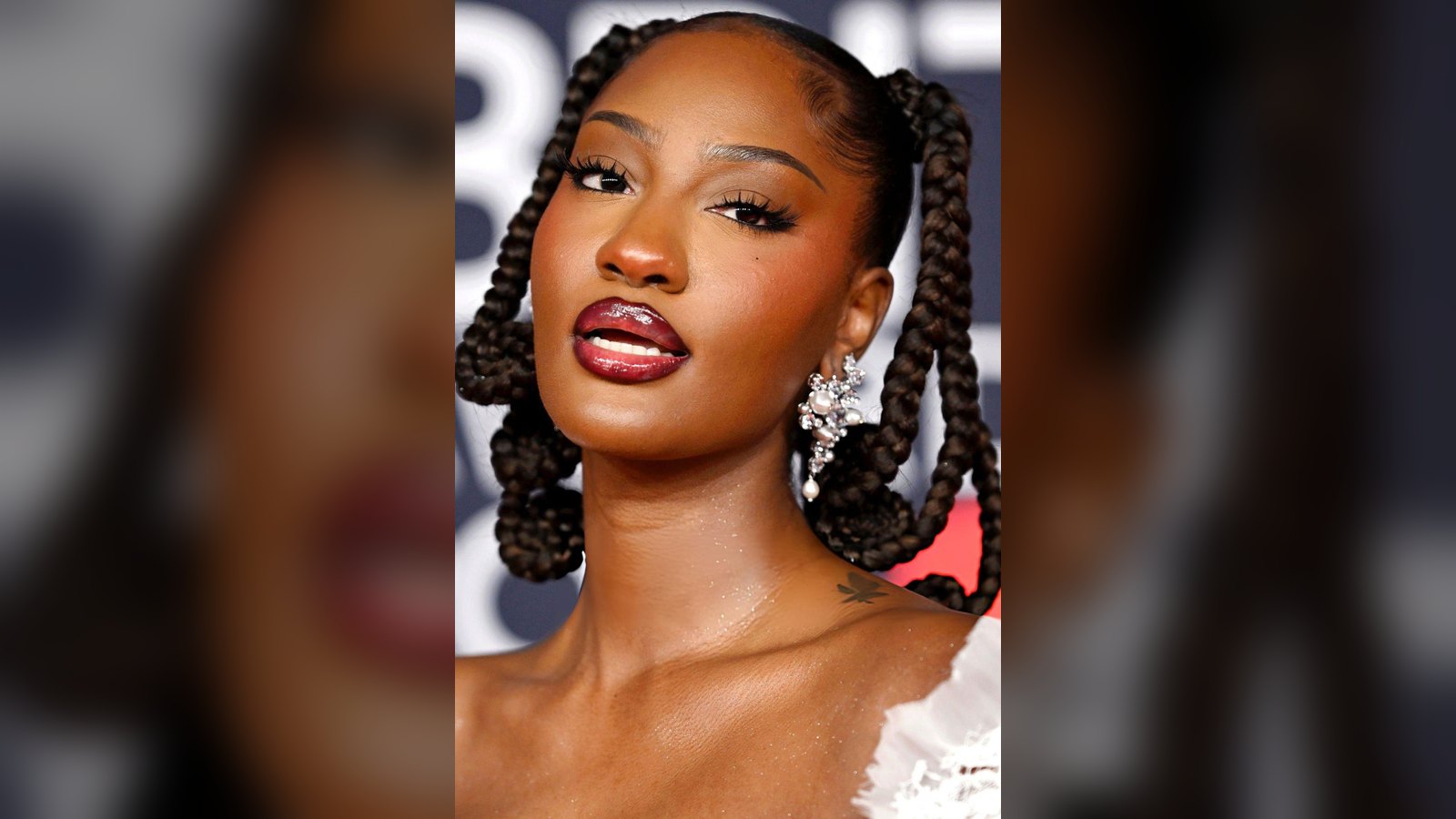
    Tems
    Tems. Photo: TMDB
    • 2018: She releases her debut single “Mr Rebel” independently.
    • 2019: “Try Me” spreads across Nigerian radio and social media and becomes her first real hit.
    • 2020: Her EP For Broken Ears arrives with “Damages.” In October, Wizkid’s Made in Lagos includes “Essence,” featuring Tems. In December, she and Omah Lay were detained in Uganda after a Kampala show over COVID-19 rules. They were released, and the charges were later dropped.
    • 2021: The Justin Bieber remix of “Essence” pushes the song to No. 9 on the Billboard Hot 100. Drake builds “Fountains” on Certified Lover Boy around her vocals. Her EP If Orange Was a Place comes out through Since ’93 and RCA.
    • 2022: Future’s “Wait for U,” featuring Drake and Tems, debuts at No. 1 on the Hot 100. She also appears on Beyoncé’s Renaissance track “Move.” She co-writes Rihanna’s “Lift Me Up” for Black Panther: Wakanda Forever.
    • 2023: “Wait for U” wins Best Melodic Rap Performance at the 65th Grammys. “Lift Me Up” earns Golden Globe and Academy Award nominations.
    • 2024: “Love Me JeJe” reworks Seyi Sodimu’s 1990s Nigerian classic. Her debut album Born in the Wild arrives on 7 June.
    • 2025: She wins the first-ever Grammy for Best African Music Performance with “Love Me JeJe.”

    Myth

    Tems did not win an Oscar for “Lift Me Up.” She shared a Best Original Song nomination at the 95th Academy Awards in 2023, and the award went to “Naatu Naatu” from RRR.

    Best Tems songs to start with

    1. “Try Me” (2019): This is the defiant single that made Lagos pay attention.
    2. “Damages” (2020): A dry, bass-heavy kiss-off and the strongest track on For Broken Ears.
    3. “Essence” with Wizkid (2020): Her husky hook carried this song into the Hot 100 top 10.
    4. “Free Mind” (2020): Her most-streamed solo song for years. It is a quiet meditation on letting go of anxiety.
    5. “Wait for U” with Future and Drake (2022): Built on a “Higher” sample, it is the record that got her to No. 1.
    6. “Love Me JeJe” (2024): “Jeje” is Yoruba for gently or softly, and the song is a plea to be loved with care.
    7. “Burning” (2024): An album highlight that earned a Best R&B Song nomination.

    Listen next

    Play “Free Fall” from Born in the Wild, her duet with J. Cole.

    Awards and nominations

    Year Award Category Work Result
    2022 Grammy Awards Best Global Music Performance “Essence” Nominated
    2022 BET Awards Best International Act Herself Won
    2023 Grammy Awards Best Melodic Rap Performance “Wait for U” Won
    2023 Golden Globe Awards Best Original Song “Lift Me Up” Nominated
    2023 Academy Awards Best Original Song “Lift Me Up” Nominated
    2025 Grammy Awards Best African Music Performance “Love Me JeJe” Won
    2025 Grammy Awards Best R&B Song “Burning” Nominated
    2025 Grammy Awards Best Global Music Album Born in the Wild Nominated

    For the domestic side of her recognition, our explainer on the Headies Awards covers how Nigeria’s own prizes work.

    What her rise means

    Tems proved that a Nigerian artist could reach the top of the American charts as a credited lead voice and writer, without changing her accent or her pace.

    Her 2025 win also came in Best African Music Performance, a category the Recording Academy introduced only at the 2024 ceremony, which tells you how quickly it is reshaping itself around African music.

    What happens next

    Born in the Wild gave her a full album and a headline tour. Any newer releases, tour dates or awards after early 2025 have not been verified for this profile, so check her official channels for current announcements.

    FAQ

    What is Tems’s real name?

    Her real name is Temilade Openiyi. “Tems” is a shortened form of her first name.

    Where is Tems from?

    She is from Lagos, Nigeria. She spent part of her early childhood in England.

    How many Grammys has Tems won?

    As of her 2025 ceremony, she had won two. The first was Best Melodic Rap Performance for “Wait for U” in 2023. The second was Best African Music Performance for “Love Me JeJe” in 2025.

    What was Tems’s first hit?

    “Try Me” in 2019 was her first major hit in Nigeria. “Essence” with Wizkid was her global breakthrough.

  • Japa Music and the Afrobeats Songs About Leaving Nigeria

    Japa Music and the Afrobeats Songs About Leaving Nigeria

    Japa music is the loose name for Nigerian songs about emigrating, escaping hardship, or living abroad after you leave. Japa is Yoruba for “run” or “flee,” and it became everyday slang for relocating overseas during the migration wave of the early 2020s. It is a theme that runs through Afrobeats, street-hop, comedy and the diaspora sound, not a genre of its own.

    Last updated: October 29, 2026

    Word originYoruba
    Literal meaningTo run, flee
    Slang peakEarly 2020s
    TypeTheme, not genre

    What “japa” actually means

    In Yoruba, japa describes a quick getaway. You japa when you slip out of a situation before it catches you. For years, Lagos street slang used it the same way: running from trouble, a debt, or the police.

    The meaning shifted when leaving Nigeria became a mass experience for young professionals. Doctors, nurses, software engineers and students started moving to the UK, Canada, the U.S., Ireland and Germany in large numbers. “He don japa” stopped meaning someone ran from a fight. It started meaning someone got a visa and quietly boarded a flight.

    That second meaning is the one most people have in mind when they search for japa music. It carries mixed feelings. Japa can mean victory, a family’s sacrifice paying off. It can also mean grief, a friend group thinning out one farewell party at a time.

    Myth

    Some listeners assume “japa music” is connected to Japanese music, J-pop or anime soundtracks because the word looks similar. It has nothing to do with Japan. Japa is a Yoruba word, and japa music refers to Nigerian songs about leaving the country.

    How the word got into the songs

    Street music got there first. Naira Marley used the word as the title of his 2018 single “Japa,” in the slang sense of getting away fast. At the time, the track belonged to the Marlian street-hop moment. It was not yet a migration anthem. But it put the word in heavy rotation on radio and at parties across Lagos.

    Then the country changed around the word. Three moments pushed japa from slang into national vocabulary.

    1. October 2020. The #EndSARS protests against police brutality ended in the shooting at the Lekki toll gate on October 20. For many young Nigerians, that night broke trust in staying.
    2. 2021 to 2022. The UK and Canada stood out as destinations, with student and skilled worker routes drawing huge numbers of Nigerian applicants. Japa became a constant topic in group chats, sermons and comedy skits.
    3. May and June 2023. President Bola Tinubu announced the end of the fuel subsidy at his inauguration on May 29, 2023, and the naira’s exchange rates were unified weeks later. Prices jumped and savings shrank, and the push to leave grew stronger.

    Policy abroad shaped the conversation too. From January 2024, the UK stopped most international students from bringing dependants, closing a route many Nigerian families had used. Back home, a 2023 bill in the House of Representatives proposed making newly trained doctors work in Nigeria for five years before getting a full licence. The proposal showed how worried officials had become about the “brain drain.”

    Musicians did not need to write a song called “Japa” to respond to any of this. The theme leaked into verses about visas, cold weather, airport goodbyes, and money sent home.

    The four moods of japa music

    If you listen across Nigerian music from the last decade, songs about leaving tend to fall into four moods. Knowing them helps you hear the theme even when the word never appears.

    1. The escape

    These songs explain why people leave. They list the failures that make staying feel impossible: bad roads, no light, police harassment, salaries that disappear before month-end. The tone is angry or sarcastic, and the hook usually lands on something the whole country recognises.

    2. The goodbye

    These songs are softer. They deal with the mother at the airport, the friend you won’t see for years, the guilt of leaving people behind. Gospel and highlife-leaning songs often sit here, because faith and family carry most of the emotion.

    3. The reality abroad

    This is the diaspora side. Nigerians abroad sing about winter, shift work, care-home jobs, rent, and the gap between the “abroad” of the imagination and the one you actually live in. Comedy skits cover this mood even more than songs do.

    4. The refusal

    Some artists push back. They insist on staying, building, or returning. Their songs treat Lagos as the centre of the world rather than a place to escape. The global success of Afrobeats has made this position easier to hold, because Nigerian artists now tour the world from a Lagos base.

    Songs that built the japa soundtrack

    The table below mixes songs about leaving with the protest songs that explain why people leave. Japa music only makes sense next to both.

    Song Artist Year Why it belongs here
    “Shuffering and Shmiling” Fela Kuti 1978 The template for singing about how ordinary Nigerians suffer through hardship
    “Jaga Jaga” Eedris Abdulkareem 2004 A blunt hip-hop verdict on a broken country, still quoted today
    “Ojuelegba” Wizkid 2014 A hustle story from a Lagos neighbourhood that the diaspora adopted as a home song
    “Wetin We Gain” Victor AD 2018 A street anthem asking what years of struggle have actually paid
    “This Is Nigeria” Falz 2018 A Nigerian answer to Childish Gambino’s “This Is America,” listing the country’s ills
    Life Is Eazi, Vol. 2: Lagos to London Mr Eazi 2018 A project named for the most travelled route in the Nigerian diaspora
    “Japa” Naira Marley 2018 The best-known early song to carry the word as its title
    “Monsters You Made” Burna Boy feat. Chris Martin 2020 A furious look at how Nigeria’s leaders failed the young
    “20 10 20” Burna Boy 2020 Released in response to the Lekki toll gate shooting

    A few notes on how to hear these songs.

    “Ojuelegba” was never about leaving. Wizkid sings about where he started and the people who doubted him. But when Drake and Skepta joined a 2015 remix, the song became a bridge between Lagos and London. For many Nigerians abroad, it is the track that makes a Peckham party feel like home.

    “This Is Nigeria” borrows the structure of Childish Gambino’s video and fills it with local references: police extortion, fraudulent pastors, unemployed graduates. It is the escape mood in its sharpest form.

    “Wetin We Gain” is in Pidgin. The title asks, roughly, “what have we gained?” The question sits behind every japa decision.

    “Monsters You Made” appears on Burna Boy‘s Twice as Tall, which won Best Global Music Album at the 2021 Grammys. The song argues that the anger of young Nigerians was manufactured by the people who failed them. Its release date, close to the #EndSARS protests, gave it extra weight.

    Leaving-home songs before the word “japa”

    Japa is new slang for a very old story. West African musicians have sung about migration for decades, and two older traditions are worth knowing.

    Burger highlife

    In the 1980s, many Ghanaians moved to Germany, especially Hamburg. Musicians in that community blended highlife with synths and drum machines, and the style became known as burger highlife, a nod to “Hamburger.” George Darko’s 1983 hit “Akoo Te Brofo” is the classic example. Daddy Lumba and Nana Acheampong formed the Lumba Brothers while living in Germany. This was diaspora music made by migrants, for migrants and for the folks back home.

    If you want to trace that Ghanaian line forward to today’s rap scene, our profile of M.anifest is a good next step.

    Ghana Must Go

    In 1983, Nigeria expelled large numbers of West African migrants, many of them Ghanaian. The cheap woven bags people used to carry their belongings out became known as “Ghana Must Go” bags. The name stuck, and the bags are still sold across Nigeria under that name. It is a reminder that migration in this region has always flowed in more than one direction.

    Fela’s era

    Fela Kuti never wrote a “japa song,” but he documented the conditions that drive people out. Tracks like “Shuffering and Shmiling” and “Original Sufferhead” catalogue hunger, broken infrastructure and corrupt power. Modern protest songs from Falz and Burna Boy borrow directly from his playbook. Burna Boy in particular has made his debt to Fela part of his public identity.

    How the diaspora changed the sound itself

    The japa wave did more than inspire lyrics. It built an audience.

    Millions of Nigerians and their children now live in London, Manchester, Houston, Toronto and Dublin. They stream Nigerian music, fill arenas, and create the demand that turned Afrobeats into a global industry. If you want the bigger picture of how the genre grew, our explainer on Afrobeats music covers its roots from highlife and Fela to today’s pop.

    Two charts show how that audience got counted:

    • UK Official Afrobeats Chart. The Official Charts Company launched it in 2020, a recognition of how much Afrobeats British listeners were streaming and buying.
    • Billboard U.S. Afrobeats Songs. Billboard launched it in 2022, with Wizkid’s “Essence” among the songs that had already proven the American market.

    Both charts reflect diaspora listening as much as mainstream crossover. When you see a Lagos release debut high in London, you are partly seeing japa in data form.

    The diaspora also produced its own sound. UK Afroswing, led by British artists with West African roots, mixed Afrobeats rhythms with UK rap and grime. Artists born abroad to Nigerian parents now write about a kind of double belonging: Nigerian at home, British or American outside it. That identity is the long-term result of every japa story.

    Japa beyond music: skits, memes and sermons

    Songs are only one part of japa culture. Nigerian comedy skits on Instagram and YouTube have probably covered the theme more often than musicians have. Common bits include:

    • The new arrival who complains about winter in a thick jacket indoors.
    • The relative back home who assumes everyone abroad is rich.
    • The “japa prayer” at church, where the pastor blesses passports and visa applications.
    • The friend who suddenly stops posting, then reappears from an airport lounge.

    These skits often use music as their soundtrack, which keeps certain songs tied to the theme. Pastors and gospel musicians have joined in too. Visa testimonies are a staple of Nigerian church services, and worship songs about breakthrough often get read as prayers for relocation. Sinach’s “Way Maker” is a song many listeners connect with exactly that kind of hope, even though its lyrics never mention leaving.

    How to build your own japa music playlist

    Most streaming services don’t have a japa category, so you’ll build your own. A good playlist tells a story, so arrange songs by mood rather than by year.

    1. Open with the reasons. Start with protest tracks like “Jaga Jaga,” “This Is Nigeria” and “Wetin We Gain.” They set up the frustration.
    2. Move to the breaking point. Add “Monsters You Made” and “20 10 20” for the #EndSARS era.
    3. Add the departure. Put Naira Marley’s “Japa” here for the word itself, and any goodbye or gospel songs that matter to you.
    4. Land abroad. Bring in Mr Eazi’s Lagos to London material and UK Afroswing.
    5. Close with home. End on “Ojuelegba” or a song that celebrates Lagos. Japa playlists feel incomplete without the pull back home.

    Search song titles and artist names directly rather than relying on autoplay. Algorithms tend to drift toward whatever is trending this week, which loses the thread.

    Listen next

    Play Wizkid’s “Ojuelegba,” then the 2015 remix with Drake and Skepta, back to back. You will hear a Lagos hustle song turn into a diaspora anthem in under ten minutes.

    Why japa music matters

    Japa music works as a public diary of Nigeria’s last decade. It captures what young people felt about the country while they were deciding whether to stay. The songs are rarely neutral. Some cheer the escape, some mourn it, and some refuse it.

    The theme also explains the economics of modern Afrobeats. The genre grew global partly because so many Nigerians went global first. Every sold-out show in London or Toronto has an audience built, in part, by people who japa’d. And as long as the push to leave continues, Nigerian artists will keep writing about it, with or without the word in the title.

    FAQ

    What does japa mean in Nigerian slang?

    Japa comes from Yoruba and means to run or flee. In current Nigerian slang it mostly means emigrating, usually to the UK, Canada, the U.S. or Europe, in search of better pay, safety and opportunity.

    Is japa music a genre?

    No. Japa music is a theme that appears across many genres, including Afrobeats, street-hop, hip-hop, gospel and diaspora sounds like Afroswing. You won’t find a single japa beat or tempo.

    What was the first japa song?

    There’s no agreed first song, because Nigerian music has addressed leaving the country for decades. Naira Marley’s 2018 single “Japa” is the best-known early track to use the word as its title. It used the word in its older street sense, before the migration meaning took over.

    Why do Nigerian artists sing about japa?

    Leaving Nigeria became a common experience for young people in the early 2020s, driven by the economy, insecurity and the fallout from #EndSARS. Artists write about what their listeners live through. The large diaspora audience also rewards songs that speak to life abroad.

    Is japa music related to Japanese music?

    No. The similar spelling causes confusion in search results, but japa is a Yoruba word. Japa music refers only to Nigerian songs about emigration and has no connection to J-pop, J-rock or anime soundtracks.

  • Sinach Way Maker Lyrics and the Meaning Behind the Song

    Sinach Way Maker Lyrics and the Meaning Behind the Song

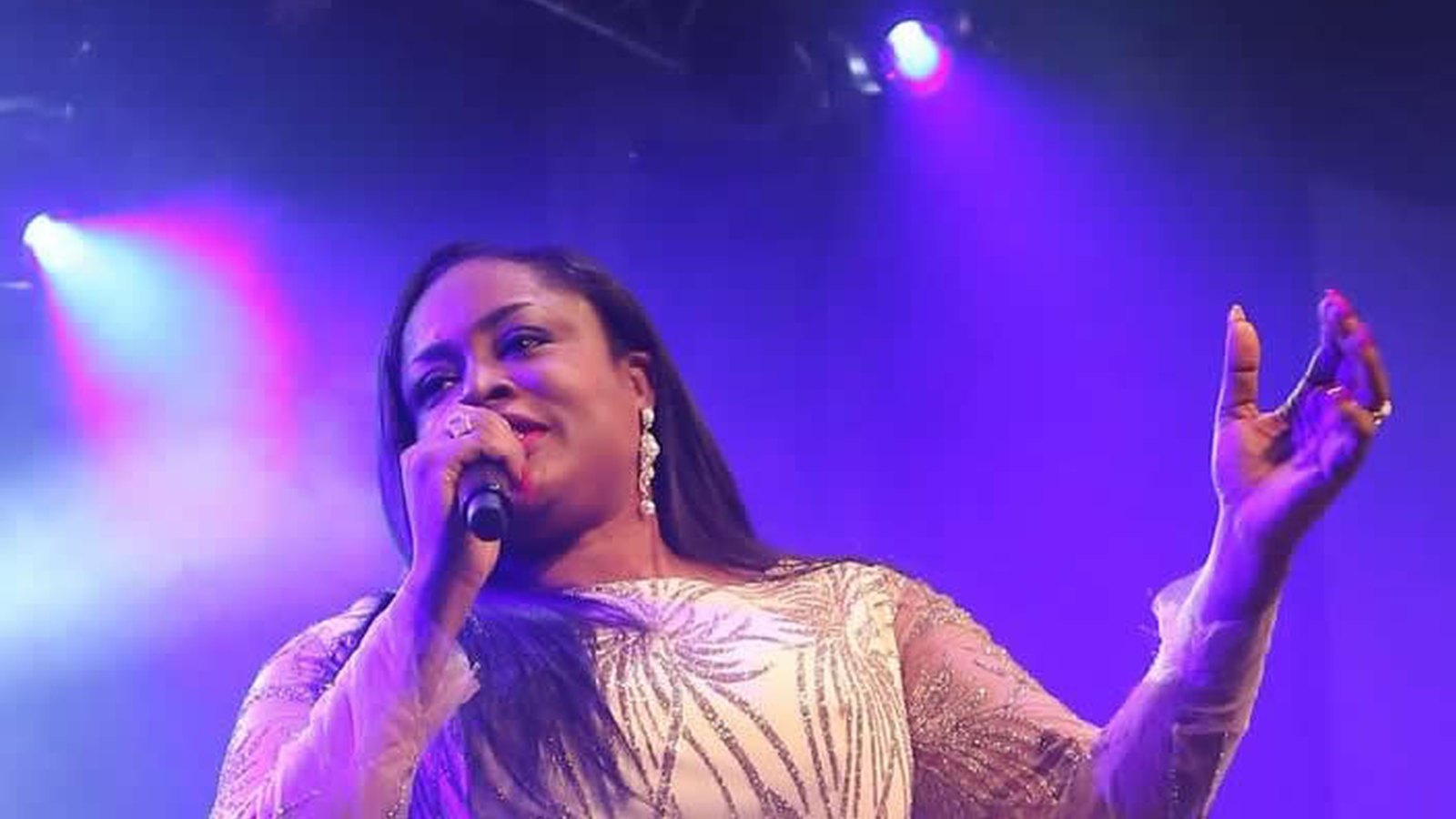
    Sinach’s Way Maker is a Nigerian worship song that she wrote and first released at the end of 2015. It describes God as a way maker, miracle worker, promise keeper and light in the darkness. This guide explains what those lines mean, how the song travelled from a Lagos church stage to congregations worldwide, and where you can stream it legally.

    Last checked: October 29, 2026

    ArtistSinach
    CountryNigeria
    GenreGospel worship
    First releasedLate 2015
    WriterSinach

    The Story Behind Way Maker

    Sinach, born Osinachi Kalu Okoro Egbu, was already one of Nigeria’s best-known worship leaders when she introduced Way Maker. Her earlier anthem I Know Who I Am had made her a fixture in churches across Africa. Way Maker was recorded live in a congregational setting, which explains its simple, repeatable structure. A worship leader can teach it to a room in a few minutes.

    The song then spread in a way that most African gospel records never do. In 2019, American worship band Leeland and Christian music veteran Michael W. Smith each released their own versions, and those covers carried Sinach’s writing onto Western Christian radio and into large evangelical churches. If you search for waymaker sinach or the hashtag #waymaker, much of what you find is that global spread: choirs, translations into many languages, and fan videos.

    Myth

    Many listeners assume Way Maker is an American song because they first heard Leeland’s or Michael W. Smith’s version. Sinach wrote it, and every cover credits her as the songwriter.

    What the Lyrics Mean

    The chorus rests on four titles for God, and each one makes a specific claim.

    • Way maker reflects the biblical idea of God opening a path where none exists. Readers often connect it to the Red Sea crossing in Exodus and to Isaiah 43, where God promises a road in the wilderness.
    • Miracle worker points to intervention beyond ordinary explanation.
    • Promise keeper frames God as faithful to what He has said, which echoes the New Testament language about God’s promises being fulfilled.
    • Light in the darkness draws on the imagery of light in John’s Gospel and serves as comfort for anyone in a hard season.

    The bridge carries the song’s emotional weight. Its message is that God keeps working even when you cannot see or feel it happening. That idea of unseen, ongoing action explains why the song became a staple at funerals, hospital vigils and prayer meetings. It also caught on during the 2020 pandemic lockdowns, when churches streamed services to people who were stuck at home.

    The verses stay in the present tense and describe God moving in the room where people are gathered. As a result, the song works as an act of worship in the moment rather than a story told about the past.

    Chart Run and Recognition

    The song’s biggest milestone came in March 2020, when Sinach reached No. 1 on Billboard’s Christian Songwriters chart. Reporting at the time described her as the first African songwriter to top that chart. The achievement came largely from the success of the covers, which shows how songwriting credit can lift an artist even when another performer’s recording is the one on the radio.

    Way Maker sits outside the afrobeats music that dominates most conversations about Nigerian exports. Even so, it ranks among the most widely sung Nigerian compositions of the past decade.

    Where to Listen and Download Way Maker

    Many sites advertise a Way Maker, Miracle Worker, Promise Keeper mp3 by Sinach. You should use official platforms such as Spotify, Apple Music, Boomplay and Sinach’s verified YouTube channel. Unofficial download pages often carry malware, and they pay the songwriter nothing.

    Listen next

    I Know Who I Am by Sinach, the anthem that made her a household name before Way Maker.

    FAQ

    Who wrote Way Maker?

    Sinach wrote Way Maker. Leeland, Michael W. Smith and many others have recorded popular covers, but all of them credit her.

    When was Sinach’s Way Maker released?

    Sinach first released the song at the end of 2015. It gained global reach after the 2019 covers.

    What does “way maker” mean in the song?

    It describes God as the one who creates a path through situations that look impossible, an idea rooted in Old Testament imagery.

    Is Way Maker a Nigerian song?

    Yes. Sinach is a Nigerian gospel artist, and the song came out of the Nigerian worship scene.

  • The Headies Explained: History, Categories and Big Winners

    The Headies Explained: History, Categories and Big Winners

    The Headies is Nigeria’s longest-running dedicated music awards show. It was founded in 2006 by Ayo Animashaun of Hip Hop World Magazine and is widely treated as the country’s top industry prize. Here we explain how it started, how the categories work, and which wins shaped the careers of Nigeria’s biggest stars.

    Last updated: October 29, 2026

    Founded2006
    FounderAyo Animashaun
    Home baseLagos, Nigeria
    Original nameHip Hop World Awards

    What the Headies actually is

    The Headies is an annual awards ceremony, at least in principle, that honours Nigerian recording artists, producers and video directors. In practice the schedule has slipped more than once. We cover that below.

    The show began as the Hip Hop World Awards, an offshoot of Animashaun’s Hip Hop World Magazine. The early focus was Nigeria’s rap and hip hop scene, which in the mid-2000s was still finding its commercial footing. As the wider sound we now call Afrobeats took over Nigerian radio and clubs, the awards grew with it.

    By 2011 the event had dropped the Hip Hop World Awards name and become The Headies. The rebrand marked a real shift. The categories now reached well beyond rap to cover pop, R&B, street-hop, gospel and alternative music. If you want the bigger story of that sound, our explainer on Afrobeats music traces where it came from.

    Today, a Headies plaque is one of the clearest signals that the Nigerian industry itself rates you. It carries less weight than a Grammy abroad. At home it often matters more.

    A short history, edition by edition

    The Headies did not run like clockwork. The table below shows the key turning points we could confirm, counting editions the way the organisers do.

    Year Edition What happened
    2006 1st Launched as the Hip Hop World Awards
    2011 6th First edition under The Headies name
    2016 11th Last ceremony before a one-year gap
    2017 None No ceremony held
    2018 12th Show returns
    2019 13th Rema and Fireboy DML era begins
    2020 None No ceremony during the pandemic year
    2021 14th Held in February, covering the delayed cycle
    2022 15th Moved to Atlanta, Georgia, USA
    2023 16th Held in Atlanta again

    Myth

    Many fans assume the Headies happens every year without fail. It doesn’t. There was no ceremony in 2017 or 2020, which is why the edition numbers don’t match the calendar. A show called the “14th Headies” took place in 2021, fifteen years after the first.

    The Atlanta years

    The 15th and 16th editions moved to Atlanta, Georgia. The 2022 show took place at the Cobb Energy Performing Arts Centre. The organisers framed the move as taking Nigerian music to the diaspora and to the US industry, where Afrobeats was charting at the time.

    The decision split opinion. Some Lagos fans felt the country’s flagship music awards should stay home. Others saw it as overdue recognition that Nigerian pop had become a global export. We think both points hold up. The move made sense commercially, and it also put the show out of reach for most of the audience that built it.

    Editions after 2023

    We have not been able to confirm the full winners lists and venues of editions after the 16th to the standard we hold ourselves to. We’ve left them out of the tables. Check the organisers’ official channels for the latest edition before relying on any third-party recap.

    How the categories work

    The Headies has added, merged and renamed categories many times. That makes it hard to compare one year with another. The core structure has stayed fairly stable, though, and it falls into four groups.

    Group Example categories What it rewards
    Major awards Artiste of the Year, Album of the Year, Song of the Year Overall impact during the eligibility window
    Newcomer awards Next Rated, Rookie of the Year Breakout acts on their first big run
    Genre awards Best Rap Album, Best Street-Hop Artiste, Best R&B Single, Best Pop Single Excellence within a specific sound
    Craft awards Producer of the Year, Best Music Video, Lyricist on the Roll Behind-the-scenes and technical skill

    On top of these sit special honours such as Hall of Fame and Special Recognition. Those are given at the organisers’ discretion rather than through the normal nomination process. There is also a Viewers’ Choice category decided by public vote.

    Eligibility windows

    Each cycle covers a defined release window, announced alongside the nominations. This matters more than casual fans realise. A song that blew up in December might count toward the following edition rather than the current one. That window explains a lot of “how was this not nominated?” complaints. When the ceremony skips a year, the window stretches, and the next edition has to cover more than twelve months of music.

    How winners are picked

    Nominations and most winners come from an academy and review process run by the organisers. The public vote applies only to specific categories like Viewers’ Choice. That is a key difference from fan-voted awards, where the artist with the biggest online following tends to win almost everything.

    Next Rated: the category that predicts the future

    If one Headies category has earned a reputation, it is Next Rated. It goes to the artist judged most likely to dominate the coming years, and for long stretches the winner has also received a car. Its track record for spotting future stars is genuinely strong.

    Year Next Rated winner What came next
    2011 Wizkid Became one of Africa’s biggest global stars
    2012 Davido Built a run of continental hits and a global profile
    2016 Mr Eazi Built an international profile and music business
    2019 Rema Went on to global success with “Calm Down”

    Look at that list and you see the point. Two of the three names that now define Nigerian pop abroad picked up Next Rated before the world knew them. The third, Burna Boy, built his global run through a different path. These days he lands moments like Burna Boy at the Ballon d’Or, a long way from Lagos awards nights.

    The same 2019 ceremony that crowned Rema also gave Rookie of the Year to Fireboy DML. That night looks prophetic in hindsight, since both went on to major international success.

    Listen next

    Rema’s “Dumebi”, the 2019 breakout single that helped win him Next Rated, still shows why the judges saw a star coming.

    The big winners and why they matter

    Several artists have built up large Headies collections over the years. Wizkid, Davido, Olamide and Burna Boy are the names that come up most when fans argue about who has won the most. Exact all-time totals vary depending on whether you count special honours, so we won’t print a ranking we can’t fully verify.

    What we can say clearly is how each type of win tends to play out.

    • Next Rated often comes at the start of a career and has repeatedly named future headliners.
    • Album of the Year usually goes to a project with both commercial reach and critical respect, rather than a pure streaming giant.
    • Street-hop categories gave artists from Lagos’s Yoruba-language rap scene, Olamide above all, formal recognition long before global labels paid attention.
    • Craft awards such as Producer of the Year are where the people building the sound get their flowers.

    That last point deserves more attention than it gets. Nigerian pop runs on its producers, and the Headies is one of the few places they share the stage with the stars they make.

    Why the Headies still matters in a streaming era

    You could argue that awards matter less now that charts, streams and global tours tell us who is winning. We disagree, for three reasons.

    First, a Headies win is a peer judgment from inside the Nigerian industry. That counts for something when global attention can swing on one viral clip.

    Second, the genre categories protect sounds that wouldn’t win a popularity contest. Rap, gospel and alternative acts can still get a national spotlight.

    Third, the ceremony itself is a cultural event. Performances, outfits and acceptance speeches drive weeks of conversation across Lagos, Abuja and diaspora communities from London to Houston.

    The Headies has real weaknesses too. The irregular schedule, the shifting category names and the overseas venues have all frustrated loyal fans. A prize built on the slogan of celebrating Nigerian music has to keep earning the trust of the people who listen to it at home.

    FAQ

    What does the Headies award?

    The Headies honours Nigerian music across major categories like Artiste of the Year, Album of the Year and Song of the Year. It also has newcomer prizes like Next Rated, genre categories, and craft awards for producers and video directors.

    Who founded the Headies?

    Ayo Animashaun founded it in 2006 through Hip Hop World Magazine. It was originally called the Hip Hop World Awards before becoming The Headies.

    Why are there gaps in the Headies edition numbers?

    No ceremony was held in 2017 or 2020. Edition numbers count ceremonies, not calendar years. That is why the 16th edition took place in 2023, seventeen years after the first.

    Where is the Headies held?

    The show has traditionally been staged in Lagos, Nigeria. The 15th and 16th editions in 2022 and 2023 took place in Atlanta, Georgia, USA. Check the organisers’ official announcements for the venue of the most recent edition.

    Is the Headies voted on by fans?

    Mostly no. Nominations and most winners come from the organisers’ academy and review process. The public vote applies only to selected categories such as Viewers’ Choice.

    What is the Next Rated award?

    Next Rated goes to the act judged most likely to break through in the years ahead. Past winners include Wizkid, Davido, Mr Eazi and Rema, which is why many fans treat it as the most predictive prize the Headies gives out.

  • M.anifest Biography: The Ghanaian Rapper and His Career

    M.anifest Biography: The Ghanaian Rapper and His Career

    M.anifest is the Ghanaian rapper who built his craft in Minnesota and then helped set the bar for lyrical hip-hop in Accra. This piece covers his story, the albums and songs that matter most, and the news fans are watching as of October 29, 2026.

    Real nameKwame Ametepee Tsikata
    FromAccra, Ghana
    GenreHip-hop, hiplife
    Debut album2007
    Maternal grandfatherJ.H. Kwabena Nketia

    Latest release: the Black Sherif link

    The freshest M.anifest news is a single called “Road Rage” with Black Sherif. A pre-save campaign for it is currently among the top results for his name, and it points to a Thursday, October 29 release. That is today.

    I want to be careful about how far that goes. A pre-save page comes from the artist’s own camp, so I treat the title and the pairing as solid. I haven’t seen confirmed credits, a label, or any word on whether “Road Rage” leads into a bigger project. I’ll add those details once they’re official, and I won’t guess at them before then.

    The pairing matters more than most features would. Black Sherif is the young Konongo rapper whose 2022 album The Villain I Never Was carried him to audiences far outside Ghana. M.anifest has been making records since the mid-2000s. A song with both of them puts two generations of Ghanaian rap on one track, and that is rarer than you might think.

    Who is M.anifest?

    People searching “manifest ghana rapper” or “manifest the rapper” usually lose the dot. On record, he writes his name as M.anifest. His government name is Kwame Ametepee Tsikata.

    He was born in Accra. His maternal grandfather was Professor J.H. Kwabena Nketia, the musicologist who did more than almost anyone to document and theorise African music. I bring this up for a reason. M.anifest writes like someone raised around people who took African sound seriously as a field of study, and his catalogue keeps returning to history, language and identity.

    He left Ghana to study at Macalester College in St. Paul, Minnesota. The Twin Cities had a busy independent hip-hop scene at the time, and that is where he learned to rap. He spent his early years doing open mics and local shows in Minneapolis and St. Paul, putting his records out himself.

    Myth

    Many fans assume M.anifest came up through Accra’s hiplife circuit. He didn’t. His first albums were made in Minnesota, and he moved back to Ghana as a working artist with two records already out.

    Career timeline

    Year Moment
    2007 Debut album Manifestations comes out of the Minneapolis scene
    2011 Immigrant Chronicles: Coming to America tells the story of an African life in the West
    Early 2010s Moves back to Ghana and starts building a home audience
    2014 “Apae” becomes his biggest single in Ghana
    2016 Album Nowhere Cool
    2019 Madina to the Universe EP, named for the Accra suburb tied to his story
    2026 “Road Rage” with Black Sherif set for October 29

    Two things stand out in that run. The first is the gap between the US years and the Ghana years. Immigrant Chronicles is a record about being a young Ghanaian in America: the money worries, the identity questions, the feeling of being from two places and fully belonging to neither. The second is how long he takes between projects. He isn’t a churn artist. He drops a single or a body of work when he has something to say.

    He also spent time with Damon Albarn’s Africa Express collective, which brings Western and African musicians together for shows and recording sessions. That work introduced him to festival crowds in the UK who would never have found a Ghanaian rapper through radio.

    Top songs: 8 to start with

    If I were building someone their first M.anifest playlist, this is the order I’d use.

    1. “Apae” (2014). The breakthrough at home. The hook is built around a Twi exclamation that works roughly like “it’s popped off.” It’s the song that convinced Ghanaian radio that a conscious, wordy rapper could also fill a dance floor.
    2. “Someway Bi” featuring Worlasi. The title is Ghanaian Pidgin for something feeling a little off, or not quite right. It’s a sly, playful track, and Worlasi’s offbeat delivery makes a perfect contrast with M.anifest’s precision.
    3. “Road Rage” with Black Sherif. The new one. I’m including it because of who’s on it, and I’ll judge it properly once it’s out.
    4. Tracks from Nowhere Cool (2016). This is where his writing about Accra feels most complete. Start at the top and let it run.
    5. The title cut from Madina to the Universe (2019). A tribute to his neighbourhood that doubles as a statement of ambition.
    6. Cuts from Immigrant Chronicles: Coming to America (2011). Go here for the story songs about leaving home and what it costs.
    7. “Manifestations”. The title track of his debut is a useful time capsule. It shows how much of his style was already in place in the Minnesota years.
    8. His Africa Express collaborations. These are worth hearing for the cross-continental chemistry, even when he isn’t the lead voice.

    You’ll notice I haven’t attached chart positions to any of these. M.anifest’s biggest moments came before Ghana had a widely used weekly chart in the style of TurnTable, and I won’t invent a peak position for a song.

    Listen next

    Play Worlasi’s solo material after “Someway Bi.” He’s the Ghanaian artist who matches M.anifest’s mix of oddball humour and serious writing most closely.

    Singles, EPs and albums

    Title Type Year
    Manifestations Album 2007
    Immigrant Chronicles: Coming to America Album 2011
    Nowhere Cool Album 2016
    Madina to the Universe EP 2019
    “Apae” Single 2014
    “Road Rage” (with Black Sherif) Single 2026

    Like most independent Ghanaian artists, he puts out a lot of loose singles and features outside his main projects. The table sticks to the releases I can place with confidence. Streaming profiles for M.anifest list more singles and guest spots than any print discography would.

    Music videos and visual style

    His videos tend to be grounded in real Accra locations: streets, markets, trotro stations and neighbourhood corners, instead of rented mansions. That choice fits the music. A rapper who writes about money pressure and the price of daily life would look strange posing next to a hired supercar.

    Expect “Road Rage” to come with visuals. A video hasn’t been confirmed yet, but a single with a pre-save campaign and a Black Sherif feature almost always gets one.

    Awards

    Year Award Category Result
    2015 Vodafone Ghana Music Awards Hip Hop Song of the Year (“Apae”) Won
    2015 Vodafone Ghana Music Awards Best Rapper Won

    These are the honours most widely attached to his name in Ghanaian coverage. He has collected other nominations over the years. I’m leaving those out until I can confirm each category and year.

    What makes him different

    Most Ghanaian rap that crosses borders gets there through the beat. Think of the drill wave out of Kumasi, or hiplife hooks built for weddings and clubs. M.anifest crosses over through the writing. Listeners who don’t know a word of Twi still follow him, because the English verses are dense, funny and specific.

    He’s also one of the clearest examples of the returnee story in African music. He made himself as an artist in the American Midwest, then chose to come home and build there. That arc shows up all over his catalogue, from the immigrant blues of 2011 to the hometown pride of Madina to the Universe.

    Someone who comes to West African pop mainly through Afrobeats music hears a different kind of record here. The groove is still there, but the verses carry the song. The hook just opens the door.

    Similar artists

    • Sarkodie: Ghana’s best-known rapper, faster and more commercial, mostly in Twi
    • Worlasi: experimental, playful, and a regular collaborator
    • Black Sherif: the younger voice on “Road Rage,” raw and emotional
    • Kwesi Arthur: a Tema rapper with a strong introspective streak
    • Blitz the Ambassador: another Ghanaian who built his career in the US and works in a similar register
    • M.I Abaga: the Nigerian rapper closest to M.anifest’s lyric-first approach

    What happens next

    The short-term question is simple: how does “Road Rage” land? A strong response would introduce M.anifest to a generation of Black Sherif fans who may know him only by name. A song like this could also sit on the TurnTable Top 100 or the UK Official Afrobeats Chart. Neither of his earlier peaks had that kind of measurable platform, so his first real chart run is possible.

    I’ll be watching for three things: whether the single is tied to a new album, whether a video follows, and whether any live dates get announced. None of these is confirmed today.

    FAQ

    Is M.anifest from Ghana?

    Yes. M.anifest was born in Accra, Ghana. He studied in Minnesota and started his career there, then moved back to Ghana, where he has been based for most of his career.

    What is M.anifest’s real name?

    His real name is Kwame Ametepee Tsikata. He styles his stage name with a full stop after the M, which is why searches for “m anifest” and “manifest rapper” both lead to him.

    What is M.anifest’s most popular song?

    In Ghana, “Apae” is the song most people point to. It’s the one that turned him into a radio name at home. “Someway Bi” with Worlasi is a close second for many fans.

    Is M.anifest related to J.H. Kwabena Nketia?

    Yes. Professor J.H. Kwabena Nketia, the renowned Ghanaian musicologist, was his maternal grandfather.

    When does “Road Rage” with Black Sherif come out?

    The pre-save campaign points to Thursday, October 29, 2026. Credits and any link to a larger project had not been confirmed when I last checked on that date.

  • What Is Afrobeats Music and Where Did It Come From

    What Is Afrobeats Music and Where Did It Come From

    Afrobeats music is the pop sound of West Africa, built in Lagos and Accra and carried worldwide by a generation of artists who grew up between highlife, hip-hop and dancehall. This guide explains what afrobeats is and where it came from, then ranks the 15 songs that best show how it grew from local club hits into global ones.

    Last updated: October 29, 2026

    OriginNigeria and Ghana
    Took shape2000s
    Name popularisedLondon, early 2010s
    Key languagesEnglish, Pidgin, Yoruba, Twi

    What Is Afrobeats Music?

    Afrobeats is an umbrella term for contemporary West African pop, mainly from Nigeria and Ghana. It covers a wide spread of styles. You will hear syncopated percussion, warm keys and guitar lines, melodic hooks sung in a mix of English, Nigerian Pidgin and local languages, and a strong lean toward dancing. A song can borrow from R&B, hip-hop, dancehall, house or South African amapiano and still sit comfortably under the label.

    That flexibility is the point. Afrobeats was never one tightly defined genre with a rulebook. It started as a catch-all name for whatever was hot in Nigerian and Ghanaian clubs in the late 2000s and early 2010s. Many of its biggest artists push against the label for that reason. Burna Boy, for example, calls his own sound Afro-fusion.

    You will also see people search for “afro music,” “afro beats music,” “africa beats” or “african beats.” Those phrases usually point to the same thing: the modern pop coming out of West Africa that you hear on playlists, at weddings and, increasingly, on mainstream radio in London, New York and Toronto. Strictly speaking, “African music” covers far more ground, from Congolese rumba to Ethiopian jazz to Tanzanian Bongo Flava. Afrobeats is one branch of that tree, though it is currently the loudest one.

    What afrobeats sounds like

    If you want to recognise afrobeats on first listen, focus on four things:

    • The groove. Drum patterns are built around interlocking rhythms, often with a clave-like pulse, shakers and talking-drum or conga textures. The beat swings rather than marches.
    • The tempo. Most songs sit in a relaxed mid-tempo range. They are made for whining and two-stepping rather than jumping.
    • The vocals. Hooks are melodic and repetitive, and artists switch languages mid-line. Call-and-response, ad-libs and producer tags are everywhere.
    • The production. Producers such as Sarz, Kel-P, P2J, London and Pheelz shaped the modern sound, layering crisp percussion with soft synths, guitar riffs borrowed from highlife and, since around 2021, the log drum bass of amapiano.

    Myth

    Afrobeats and Afrobeat are the same thing. They are not. Afrobeat, no “s”, is the 1970s style created by Fela Kuti with drummer Tony Allen: long, politically charged jams fusing highlife, jazz and funk that often ran past ten minutes. Afrobeats is the much younger pop umbrella that came decades later. It borrows Fela’s spirit and samples, but it works in short, radio-ready songs.

    Where Did Afrobeats Come From?

    The short answer is Nigeria and Ghana, with an important assist from London. The longer answer runs back almost a century, so a timeline helps.

    1920s to 1960s: highlife and juju

    Highlife grew up in Ghana’s coastal cities, mixing local rhythms with brass band music and guitar styles. E.T. Mensah, often called the King of Highlife, made it the sound of dance halls across West Africa in the 1950s. In Nigeria, juju music, later led by King Sunny Adé and Ebenezer Obey, built on Yoruba percussion and talking drums. These two styles give afrobeats its guitar lines and much of its rhythmic DNA.

    Late 1960s and 1970s: Fela and Afrobeat

    Fela Anikulapo Kuti spent time in the United States in 1969, absorbed funk and Black Power politics, and came home to Lagos to build Afrobeat with his band Africa 70 and drummer Tony Allen. Records like “Water No Get Enemy” and “Zombie” were long, hypnotic and furious. Fela’s influence on afrobeats is less about structure and more about attitude. He showed that Nigerian music could be proudly local and still feel world-class. There is a direct family link too: Burna Boy’s grandfather, the broadcaster Benson Idonije, was an early manager of Fela.

    1990s: hip-hop, hiplife and the rise of Nigerian pop

    In Ghana, Reggie Rockstone pioneered hiplife in the 1990s, rapping in Twi over beats that mixed hip-hop with highlife. In Nigeria, groups like Plantashun Boiz (featuring 2face Idibia) and The Remedies began making local pop with an R&B and hip-hop finish. Cheaper home studios and the spread of private radio and TV stations gave young producers somewhere to play their music.

    2000s: the Nigerian pop boom

    This is the decade the modern sound came together. 2face Idibia’s “African Queen” (2004) became a pan-African love song and even appeared in the 2006 Hollywood film Phat Girlz. P-Square, D’banj and producer Don Jazzy’s Mo’Hits Records turned Nigerian pop into a star system. Ghana’s scene grew alongside it through hiplife and later azonto, a dance craze that spread around 2011 and 2012.

    Early 2010s: London names the sound

    The word “afrobeats” took hold in the UK. The Ghanaian-British DJ Abrantee is widely credited with popularising it on London radio around 2011, as a simple label for the West African pop his listeners were requesting. D’banj’s “Oliver Twist” reached No. 9 on the UK Singles Chart in 2012, after he signed to Kanye West’s G.O.O.D. Music. Fuse ODG pushed azonto into the UK Top 10 the following year. The diaspora had turned a regional sound into an exportable one.

    2015 to today: streaming and the global era

    Wizkid’s “Ojuelegba” remix with Drake and Skepta (2015), then Drake’s “One Dance” featuring Wizkid and Kyla (2016), put West African rhythm at the top of US and UK charts. Streaming did the rest. Fans in the diaspora no longer had to wait for imported CDs. The next section shows the milestones that followed.

    How Afrobeats Went Global: Key Milestones

    Year Milestone Why it mattered
    2004 2face Idibia releases “African Queen” First modern Nigerian pop song with true continental reach
    2012 D’banj’s “Oliver Twist” hits No. 9 on the UK Singles Chart Proved Nigerian pop could chart in Britain
    2016 Drake’s “One Dance” featuring Wizkid tops charts in the US and UK Introduced afrobeats rhythms to a mass global audience
    2020 The Official Charts Company launches the UK Official Afrobeats Chart First official national chart dedicated to the genre
    2021 Burna Boy’s Twice as Tall wins Best Global Music Album at the Grammys First major Grammy win for a Nigerian afrobeats album
    2021 “Essence” remix with Justin Bieber peaks at No. 9 on the Billboard Hot 100 A Nigerian-led song in the US Top 10
    2022 Billboard launches the U.S. Afrobeats Songs chart The biggest market starts tracking the genre separately
    2022 Future’s “Wait for U” featuring Drake and Tems reaches No. 1 on the Hot 100 Tems later wins the Grammy for Best Melodic Rap Performance for it
    2023 Burna Boy headlines London Stadium Widely reported as the first African artist to headline a UK stadium
    2023 Rema and Selena Gomez’s “Calm Down” peaks at No. 3 on the Hot 100 The genre’s biggest US crossover single so far
    2024 The Grammys introduce Best African Music Performance The industry formally recognises the category

    The milestones keep coming. They reach beyond music, too: our coverage of Burna Boy at the Ballon d’Or, where he was reportedly the first Nigerian artist to present an award, shows how far the culture has travelled from Lagos club nights.

    How We Picked These 15 Afrobeats Songs

    Ranking afrobeats is a fight waiting to happen, so here is how we did it. Each song was scored on four things:

    1. Influence on the sound. Did producers and artists copy it? Did it open a new lane?
    2. Reach beyond its home market. Chart runs in the UK and US, crossover remixes, and viral moments all count.
    3. Staying power. Does it still fill dance floors years later?
    4. Value as a starting point. Will it help a newcomer understand afrobeats?

    We limited the list to one song per lead artist so you hear the full range of the genre. That means no Wizkid-heavy top five, even though he could fill one. Songs where an afrobeats artist only featured on a US or UK act’s record (like “One Dance” or “Wait for U”) are discussed above but left off the ranking.

    The 15 Afrobeats Songs That Built the Sound, Ranked

    1. Wizkid featuring Tems, “Essence” (2020): Top pick

    If you play one afrobeats song to understand where the genre stands now, make it this one. “Essence” comes from Wizkid’s album Made in Lagos, released in October 2020, and it sounds almost nothing like the high-energy party records of the early 2010s. It is slow, hazy and patient, with a lazy guitar line and Tems’ smoky vocal floating over a soft groove.

    That restraint is exactly why it travelled. American radio picked it up without a remix at first, and the 2021 version featuring Justin Bieber pushed it to No. 9 on the Billboard Hot 100. It was widely reported as the first Nigerian-led song to reach the US Top 10. It also made Tems an international name almost overnight. “Essence” proved that afrobeats could win on mood and texture, and that lesson shaped the softer, R&B-leaning sound a lot of artists chased afterward.

    2. Burna Boy, “Ye” (2018)

    “Ye” is the song that turned Burna Boy from a respected Nigerian star into a global one. It appeared on his 2018 album Outside and became a street anthem in Lagos before spreading abroad. The title works as a Yoruba exclamation of surprise or exasperation, and the song captures a mood of hustling through hard times and still celebrating.

    A famous side story helped its numbers. Kanye West released an album called Ye the same year, and many reports noted that confused listeners searching for Kanye were landing on Burna Boy instead. The accident turned out to be a bonus, since the record was strong enough on its own. “Ye” set up the run that led to African Giant, Twice as Tall and Burna Boy’s Grammy win.

    3. Wizkid, “Ojuelegba” (2014)

    Ojuelegba is a busy, chaotic Lagos district, and Wizkid’s song about it is a love letter to where he started. Released on his 2014 album Ayo, it describes his early struggles and the people who believed in him. It is one of the most autobiographical songs in the afrobeats canon.

    The 2015 remix with Drake and Skepta mattered enormously. It linked Lagos, Toronto and London in one record, and it led directly to Wizkid’s feature on “One Dance” a year later. If you want to understand why the diaspora is central to afrobeats history, this song shows you the bridge being built in real time.

    4. D’banj, “Oliver Twist” (2012)

    This is a loud, cheeky party record full of pop-culture name-drops, and it gave Nigerian pop its first serious UK chart moment. “Oliver Twist” peaked at No. 9 on the UK Singles Chart in 2012, at a time when D’banj had just signed to Kanye West’s G.O.O.D. Music.

    Musically, it is a time capsule of the Mo’Hits era: bouncy, brash and built around a hook you can learn in one listen. It is not the most sophisticated song on this list. What earns it the spot is that it showed British record labels and radio programmers that this sound could sell outside the diaspora.

    5. 2face Idibia, “African Queen” (2004)

    Before streaming, before London named the genre, there was “African Queen.” 2face Idibia’s acoustic love song from his album Face 2 Face became one of the most played records across Africa in the mid-2000s and turned up on the soundtrack of the 2006 American film Phat Girlz.

    It is gentle, with a simple guitar part and an earnest vocal, and it holds up beautifully. For many listeners on the continent, this was the moment Nigerian pop stopped imitating American R&B and started competing with it. Play it if you want to hear the genre’s roots before the drums got heavier.

    6. Rema and Selena Gomez, “Calm Down” (2022)

    Rema released “Calm Down” in early 2022, and it appeared on his debut album Rave & Roses on Mavin Records. The remix with Selena Gomez that August took it to a level no afrobeats single had reached before. It peaked at No. 3 on the Billboard Hot 100 and enjoyed a record-setting run at No. 1 on Billboard’s U.S. Afrobeats Songs chart.

    The song is a flirtation built on an easy, rolling beat and a melody so catchy it became a TikTok staple. Some longtime fans see it as afrobeats sanded down for global pop. Others hear proof that Rema’s “Afrorave” style can sit next to anything on mainstream radio. Either way, it is the biggest crossover single the genre has produced so far.

    7. Burna Boy, “Last Last” (2022)

    We broke our one-song-per-artist rule here, and it was a deliberate call. “Last Last” deserves its place because it shows a completely different side of Burna Boy from “Ye.” Released in May 2022 ahead of his album Love, Damini, it builds around a sample of Toni Braxton’s “He Wasn’t Man Enough” and turns heartbreak into a crowd-pleasing anthem.

    “Last last” is Pidgin for “in the end” or “when all is said and done,” and the song’s resigned, slightly drunk attitude struck a nerve with fans worldwide. It shows how afrobeats producers flip American R&B into something new. It also became one of Burna Boy’s most streamed songs and a fixture at his stadium shows.

    8. Davido, “Fall” (2017)

    “Fall” was not an instant smash. It grew slowly, month after month, until it became one of the most enduring afrobeats songs of the decade, with its video passing remarkable view counts on YouTube for a Nigerian pop release. That slow-burn story matters, because it showed that afrobeats songs could build audiences abroad through streaming alone, with no big American feature attached.

    The track is light and romantic, built on a Kiddominant production with a smooth, looping guitar figure. Davido sings about falling for someone despite his better judgement, and the restraint suits him. If you only know Davido for his louder party records, start here.

    9. CKay, “Love Nwantiti (Ah Ah Ah)” (2019)

    CKay first released “Love Nwantiti” on his 2019 EP CKay the First. Nothing much happened for a while. Then, in 2021, a sped-up version went viral on TikTok, and remixes multiplied across the world, from Ghana to North Africa to Europe. It turned into one of the most streamed African songs of that year.

    “Nwantiti” is an Igbo word that is usually translated as “small” or “little,” and the song is a tender, slightly obsessive love confession. Its story is a lesson in how afrobeats breaks out today. An old song can find a second life years later if the right clip catches fire.

    10. Asake featuring Burna Boy, “Sungba (Remix)” (2022)

    Asake changed the sound of Lagos in 2022. Signed to Olamide’s YBNL label, he arrived with a style that mixed Yoruba street chants, gospel-style choral backing vocals and the log drum bass of South African amapiano. “Sungba” was the record that broke him, and the Burna Boy remix sealed it.

    His debut album Mr. Money with the Vibe (September 2022) followed and made him one of the fastest-rising African artists of that period. Asake matters to this list because he showed how fully afrobeats could absorb amapiano without losing its Nigerian identity. Play the remix loud and you will hear why every Lagos producer seemed to chase his sound for the next two years.

    11. Davido featuring Musa Keys, “Unavailable” (2023)

    After a painful period in his personal life, Davido returned in March 2023 with the album Timeless, and “Unavailable” became its runaway hit. The feature from South African vocalist Musa Keys is a big part of the appeal. The song is a straight Nigeria-meets-South-Africa collaboration, with amapiano log drums under Davido’s confident hook about being too busy and too successful to be bothered.

    It belongs here as the clearest example of the pan-African sound that defined the early 2020s. Lagos and Johannesburg had been influencing each other for years. “Unavailable” put the two cities in one chorus.

    12. Victony, “Soweto” (2022)

    Victony’s “Soweto” first appeared on his 2022 EP Outlaw, and the 2023 remix with Don Toliver, Rema and producer Tempoe gave it a much wider audience. The title nods to the famous South African township, and the song’s breezy, sensual groove leans into that cross-continental feel.

    Victony’s story adds weight to the song. He survived a serious car crash in 2021 and came back with some of the most distinctive vocals in Nigerian pop, sitting somewhere between afrobeats, R&B and alté. “Soweto” is a good entry point if you like the softer side of the genre that “Essence” opened up.

    13. Black Sherif, “Kwaku the Traveller” (2022)

    Ghana’s contribution to afrobeats often gets flattened into Nigeria’s story, and Black Sherif is a good corrective. “Kwaku the Traveller” is moodier and more personal than most afrobeats hits, blending drill-influenced flows, highlife melody and lyrics in Twi and English about struggle and restlessness. Kwaku is the Akan day name for a boy born on a Wednesday, which gives the title a personal, grounded feel.

    The song became a huge hit across West Africa and the diaspora in 2022 and later appeared on his debut album The Villain I Never Was. It shows where Ghanaian pop sits now: proud of its roots, emotionally raw and very much its own thing.

    14. Ayra Starr, “Rush” (2022)

    Ayra Starr broke out on Mavin Records as one of the most confident young voices in the genre, and “Rush” is her signature song. Taken from her album 19 & Dangerous (2022), it is a bright, defiant record about shrugging off haters and enjoying her success.

    Its importance is partly about representation. Afrobeats has often been male-dominated at the top, even with pioneers like Tiwa Savage and Yemi Alade leading the way. “Rush” became an anthem for a younger generation of fans, and Ayra Starr went on to become one of the genre’s most visible global ambassadors.

    15. Fuse ODG, “Antenna” (2013)

    “Antenna” brought Ghana’s azonto dance craze into the UK Top 10. Fuse ODG, a London-born artist of Ghanaian heritage, built the song around the dance’s playful, mime-like moves, and it reached No. 7 on the UK Singles Chart in 2013.

    It sounds dated next to “Essence” or “Unavailable,” and that is part of the reason to hear it. “Antenna” captures the moment when the diaspora was actively selling West African pop to British audiences, a step that made everything after it easier.

    Quick-Reference Comparison Table

    # Song Artist(s) Year Country Best for
    1 Essence Wizkid ft. Tems 2020 Nigeria Understanding the modern, mellow sound
    2 Ye Burna Boy 2018 Nigeria Burna Boy’s breakout moment
    3 Ojuelegba Wizkid 2014 Nigeria The Lagos-to-diaspora bridge
    4 Oliver Twist D’banj 2012 Nigeria Early UK crossover energy
    5 African Queen 2face Idibia 2004 Nigeria The genre’s acoustic roots
    6 Calm Down Rema and Selena Gomez 2022 Nigeria The biggest US crossover
    7 Last Last Burna Boy 2022 Nigeria Sampling and heartbreak
    8 Fall Davido 2017 Nigeria Slow-burn streaming success
    9 Love Nwantiti CKay 2019 Nigeria The TikTok era
    10 Sungba (Remix) Asake ft. Burna Boy 2022 Nigeria Afrobeats meets amapiano
    11 Unavailable Davido ft. Musa Keys 2023 Nigeria and South Africa Pan-African collaboration
    12 Soweto Victony 2022 Nigeria Soft, R&B-leaning vibes
    13 Kwaku the Traveller Black Sherif 2022 Ghana Ghana’s modern edge
    14 Rush Ayra Starr 2022 Nigeria A new generation’s anthem
    15 Antenna Fuse ODG 2013 UK and Ghana The azonto years

    Featured Artists: The Names You Need to Know

    The songs above give you the sound. These are the artists who keep shaping it, grouped by what they bring.

    The big three

    Wizkid is the genre’s quiet giant. He has been a star since his 2011 debut Superstar on Banky W’s Empire Mates Entertainment and has steadily moved toward a softer, more global sound. He also shared a Grammy for Best Music Video for Beyoncé’s “Brown Skin Girl.”

    Burna Boy is the most decorated and the most outspoken. His Grammy win for Twice as Tall, his stadium headline shows and his insistence on calling his music Afro-fusion make him the genre’s most visible global figure.

    Davido is the hit-maker and the crowd-mover. His energy, his DMW label and his collaborations across the continent have made him one of afrobeats’ most consistent stars for over a decade.

    The label builders and the new wave

    Olamide deserves special mention. He built his career rapping in Yoruba and Pidgin, and his YBNL label has launched or boosted artists including Lil Kesh, Fireboy DML and Asake. Few people have done more to keep street culture at the centre of Nigerian pop.

    Asake, Rema, Ayra Starr, Victony, Fireboy DML and Omah Lay lead the generation that came up in the streaming era. Each has a distinct lane, from Asake’s choral amapiano fusion to Omah Lay’s moody, intimate records.

    Tems is in a category of her own. Her low, textured voice made “Essence” and “Wait for U” what they are, and in 2025 she won the Grammy for Best African Music Performance with “Love Me JeJe.”

    Tiwa Savage and Yemi Alade opened doors for women in the genre during the 2010s and remain major names.

    Ghana’s leaders

    Sarkodie, one of Africa’s most respected rappers, along with Stonebwoy, Shatta Wale, King Promise, Black Sherif and the genre-bending Amaarae show that Ghana’s scene stands on its own. Stonebwoy and Shatta Wale also bring a heavy dancehall influence, which links Ghana’s pop scene directly to Jamaica.

    Afrobeats vs Amapiano, Dancehall, Afro-House and More

    A lot of confusion around “African beats” comes from mixing up genres that now share stages, playlists and features. Here is how they differ.

    Genre Home base Signature feature How it connects to afrobeats
    Afrobeats Nigeria and Ghana Syncopated percussion, melodic hooks, Pidgin vocals The pop umbrella itself
    Afrobeat Nigeria (1970s) Long jazz-funk jams, political lyrics Spiritual ancestor; frequent samples
    Amapiano South Africa Log drum bass, jazzy keys, slow build Heavily absorbed by Lagos producers since around 2021
    Dancehall Jamaica Riddims, toasting vocals Strong influence on Burna Boy, Patoranking and Ghanaian stars
    Afro-house South Africa and beyond Four-on-the-floor house beat, deep grooves Shares DJs and festivals; often remixes afrobeats hits
    Gqom Durban, South Africa Dark, broken, heavy kicks Occasional influence, mostly a separate scene
    Bongo Flava Tanzania Swahili vocals, taarab and hip-hop roots East African cousin; artists like Diamond Platnumz collaborate across scenes

    The biggest recent shift is the fusion of afrobeats and amapiano. You will sometimes hear it called “Afropiano.” Asake, Davido’s “Unavailable” and countless Lagos club records leaned on the South African log drum between 2022 and 2024. Purists in Johannesburg sometimes bristle at Nigerian artists taking credit for the sound. The healthiest version of the trend, though, is direct collaboration, with South African producers and vocalists credited and paid properly.

    House music is the other interesting crossover. Afro-house DJs from South Africa, Europe and the US now regularly remix afrobeats vocals into longer, club-focused tracks. That has pulled the genre into dance festivals that would never have booked it a decade ago.

    The Language of Afrobeats: Words You Will Hear

    Part of afrobeats’ charm is the language. Most songs mix English with Nigerian Pidgin and Yoruba, Igbo, Twi or other local languages. You do not need to understand every word to enjoy the music, but a few common terms will make lyrics click.

    • Wahala: trouble or stress, used everywhere from love songs to party records.
    • Omo: literally “child” in Yoruba, but used as an exclamation, a bit like “wow” or “man.”
    • Gbedu: a party jam or a great beat.
    • Shayo: drinking, usually in a party context.
    • Japa: to leave Nigeria for a life abroad, a theme in many recent songs.
    • Buga: to show off or flex, made famous by Kizz Daniel and Tekno’s 2022 hit of the same name.
    • Last last: in the end, as in Burna Boy’s song.
    • E choke: something so impressive it overwhelms you.

    You will also hear repeated references to Lagos neighbourhoods such as Ojuelegba, Surulere and Lekki. Those place names carry class and hustle meanings that local fans pick up instantly. A song shouting out a mainland area like Ojuelegba usually signals a street-level, came-from-nothing story. Lekki and Victoria Island references lean toward wealth and nightlife.

    How to Start Listening to Afrobeats

    If you are new, a structured path beats a random playlist. Try this order:

    1. Start with the modern core. “Essence,” “Calm Down,” “Last Last” and “Rush” show you the sound as it stands now.
    2. Go back to the roots. Play “African Queen,” “Oliver Twist” and “Ojuelegba” to hear how the genre grew.
    3. Hear the ancestors. Put on a full Fela Kuti record such as Zombie. Give it the full running time. The long, patient build is the point.
    4. Explore the fusions. Follow Asake into amapiano, Black Sherif into Ghanaian drill and highlife, and Victony into R&B and alté.
    5. Watch the charts. The UK Official Afrobeats Chart, Billboard’s U.S. Afrobeats Songs chart and Nigeria’s TurnTable Top 100 each give you a weekly snapshot. TurnTable is the best guide to what is actually big in Lagos, which often differs from what is big in London or New York.

    Pay attention to albums, too. Made in Lagos, African Giant, Mr. Money with the Vibe, Timeless and 19 & Dangerous each hold together as full projects. That has not always been true in a genre that grew up on singles.

    Listen next

    Once “Essence” has sunk in, put on Fela Kuti’s “Water No Get Enemy” to hear the horns, groove and patience that the whole genre still borrows from.

    Why Afrobeats Keeps Growing

    A few forces explain why afrobeats music has spread so far and so fast.

    The diaspora. Large Nigerian and Ghanaian communities in the UK, US, Canada and across Europe built the early audience. They pushed DJs to play the music, filled concert halls and turned local hits into diaspora anthems.

    Streaming and social video. Spotify, Apple Music, Audiomack, Boomplay and especially TikTok removed the old barriers of distribution. “Love Nwantiti” became a hit two years after its release because a clip went viral, not because a label pushed it.

    Collaboration. Drake, Beyoncé, Justin Bieber, Selena Gomez, Ed Sheeran and others have worked with afrobeats artists. Each of those records sends new listeners back to the source.

    Investment. Major labels have opened African offices and signed homegrown talent, and festivals like Afro Nation have built events around the sound. That money brings pressure, too. Critics worry about artists diluting their sound for Western playlists. For now, though, the biggest records still come from artists who sound unmistakably like Lagos or Accra.

    Afrobeats has already outgrown the label “world music,” which it never fit. The next chapter will likely be shaped by deeper links with East and Southern Africa, more women at the top, and a fight over who gets credit and royalties as the sound keeps travelling.

    FAQ

    What is afrobeats in simple terms?

    Afrobeats is modern pop music from West Africa, mainly Nigeria and Ghana. It mixes local rhythms and languages with influences from hip-hop, R&B, dancehall and house, and it is built for dancing.

    Is afrobeats the same as Afrobeat?

    No. Afrobeat is the 1970s genre created by Fela Kuti and Tony Allen, with long tracks, live bands and political lyrics. Afrobeats is a much newer pop umbrella that took shape in the 2000s and was popularised as a term in London in the early 2010s.

    Who started afrobeats?

    No single person started it. Afrobeats grew out of Nigerian pop artists like 2face Idibia, P-Square and D’banj, producers like Don Jazzy, Ghanaian hiplife and azonto acts, and diaspora DJs. The DJ Abrantee is widely credited with popularising the name on London radio around 2011.

    Who is the biggest afrobeats artist?

    Burna Boy, Wizkid and Davido are the genre’s three biggest stars, with Burna Boy holding the most major awards and Wizkid the most influential catalogue. Among newer artists, Rema, Tems, Asake and Ayra Starr have the widest global reach.

    Is amapiano part of afrobeats?

    No. Amapiano is a South African genre built on log drum bass and jazzy keys. Many Nigerian afrobeats artists have blended it into their songs since around 2021, but it has its own history, artists and scene in Johannesburg and Pretoria.

    What is the best afrobeats song to start with?

    Start with Wizkid and Tems’ “Essence.” It captures the genre’s modern sound, it was a major US hit, and it leads naturally into the artists and albums covered above.