Kagiso Ndlovu

  • Coupé Décalé Meaning, Origins and Its Biggest Songs

    Coupé Décalé Meaning, Origins and Its Biggest Songs

    Coupe music usually means coupé-décalé, a fast, drum-heavy dance genre created by Ivorian DJs in Paris around 2002 and 2003 and then taken home to Abidjan. The name is street slang that roughly means “cheat and run off.” It became the sound of the Ivorian party, where showing off and literally throwing money on the dance floor were part of the show.

    FromParis and Abidjan
    Born2002 to 2003
    RootsIvorian and Congolese
    PioneerDouk Saga

    What Does Coupé-Décalé Mean?

    The phrase comes from Nouchi, the French-based street slang of Abidjan. In that slang, couper means to cheat or hustle someone, and décaler means to leave quickly. Together, you get something like “pull a fast one and disappear.”

    The original crew leaned into that image. They played rich hustlers in designer clothes who had made it abroad and came back to spend. The slang fit the swagger.

    There is a second, more literal reading that dancers like. Coupé means cut and décalé means shifted, which describes the choppy, off-beat moves on the floor.

    If you have searched “décalé coupé,” you have the words in reverse. The standard name is coupé-décalé, often shortened to just “coupé” or “coupé music.”

    A quick note on other uses of “Coupe”

    Streaming platforms list unrelated artists and playlists under the name Coupe. If you landed on one of those, it has nothing to do with the Ivorian genre. This article covers the West African style.

    Origins: Paris Nightclubs and a Country at War

    Coupé-décalé grew out of the Ivorian diaspora in Paris. A group of young men known as the Jet Set, led by Stéphane Doukouré, better known as Douk Saga, held flashy nights at Paris clubs in the early 2000s.

    Their parties were about spectacle. They wore expensive brands, handed out cash and made a performance of generosity. Nouchi has words for this: farot (to show off) and boucantier (a big spender who makes noise about it).

    Douk Saga’s “Sagacité,” released in 2003, carried the sound back to Côte d’Ivoire. Timing mattered. The Ivorian civil war began in September 2002, and the country was split and tense. A loud, joyful, slightly absurd party style gave people a release. Coupé-décalé spread through Abidjan’s maquis (open-air bars) and clubs within months.

    Douk Saga died in October 2006. By then the genre had outgrown its founders.

    What Coupé Music Sounds Like

    You can recognise coupé-décalé within a few seconds:

    • Fast, pounding percussion. Layered drums and electronic beats drive everything.
    • An animator on the mic. A DJ or animateur shouts dance instructions, names, slogans and praise over the track. This owes a lot to the atalaku, the hype man of Congolese ndombolo.
    • Dance crazes built into the song. Many hits exist to launch a named move, and the lyrics tell you how to do it.
    • Repetition over storytelling. Hooks are short chants, not verses with a narrative.

    The Congolese link runs deep. Early producers borrowed heavily from ndombolo and soukous guitar lines and blended them with Ivorian rhythms. Cameroon, home of soul makossa, became one of the biggest markets for the new sound.

    Myth

    Magic System’s “1er Gaou” is often called the first coupé-décalé hit. It is zouglou, an earlier Ivorian style built on vocal storytelling and social commentary. Zouglou and coupé-décalé share a city and a fan base, but they are separate genres.

    The Money-Throwing Ritual

    The most famous coupé-décalé custom is “spraying” cash. A big spender showers banknotes over a dancer or the DJ. Ivorians call it travaillement, from travailler, to work. You “work” someone by covering them in money.

    If you know Nigerian party culture, this will look familiar. Spraying at weddings and owambe parties is common across the region. Coupé-décalé turned it into the core of the genre’s image, and plenty of songs shout out the people doing it.

    Featured Artists

    Artist Why they matter
    Douk Saga Founder of the Jet Set, voice of “Sagacité”
    DJ Arafat The genre’s biggest star of the 2010s
    Serge Beynaud Polished, radio-friendly coupé that travelled abroad
    DJ Lewis Master of the novelty dance hit
    Debordo Leekunfa High-energy animator with a loyal Abidjan following

    DJ Arafat deserves extra attention. Born Ange Didier Houon, he defined coupé-décalé for a generation with his rough voice, constant reinvention and rivalries played out on stage. His fans called themselves the Chinois. He died in a motorbike accident in Abidjan in August 2019, and his funeral at the Félix Houphouët-Boigny stadium drew huge crowds. For many Ivorians, his death closed a chapter.

    Serge Beynaud brought a cleaner production style. His songs work in a club in Abidjan and on a playlist in Paris, which helped coupé reach listeners outside West Africa.

    The Biggest Coupé-Décalé Songs to Start With

    Use these songs as a starter list. Each one shows a different side of the genre.

    1. “Sagacité” by Douk Saga. The founding anthem. Hear it for the history.
    2. “Grippe aviaire” by DJ Lewis. A dance craze named after the bird flu scare. It shows how coupé turns any headline into a move.
    3. “Kpangor” by DJ Arafat. Peak Arafat energy and one of his best-known hits.
    4. “Dosabado” by DJ Arafat. Shows his later, more melodic side.
    5. “Bakamboué” by Serge Beynaud. A clean, catchy entry point if raw animator tracks feel too chaotic at first.
    6. “Okeninkpin” by Serge Beynaud. One of the songs that pushed his name beyond Côte d’Ivoire.

    Listen next

    After DJ Arafat’s “Kpangor,” play Serge Beynaud’s “Bakamboué” to hear how the sound got smoother over the years.

    Coupé-Décalé’s Influence Today

    Coupé-décalé never crossed over to American charts the way Afrobeats did. Its influence shows up in other places.

    • French-speaking Africa. It shaped dance music in Cameroon, Congo, Burkina Faso, Togo, Benin and Gabon.
    • French rap and Afro-trap. French artists with West and Central African roots borrowed its drums and chant-style hooks.
    • The modern Ivorian scene. Today’s Abidjan acts mix coupé with rap ivoire and Afrobeats, and the animator style is still everywhere.

    If you follow Afrobeats music, you will notice the overlap in West African clubs. DJs often run Ivorian coupé and Nigerian Afrobeats in the same set.

    FAQ

    What is coupe music?

    Coupe music is a short name for coupé-décalé, a dance genre from Côte d’Ivoire. Ivorian DJs in Paris created it in the early 2000s. It is known for fast percussion, shouted dance instructions and money-spraying at parties.

    What does coupé-décalé mean in English?

    In Abidjan slang, it roughly means “cheat and run off.” Couper means to hustle someone and décaler means to leave. Dancers also read it literally as “cut and shift,” after the moves.

    Is décalé coupé the same thing?

    Yes. “Décalé coupé” is just the two words reversed. The correct name is coupé-décalé.

    Who invented coupé-décalé?

    Douk Saga and his Jet Set crew are credited with launching the genre. His 2003 song “Sagacité” is widely seen as its first big hit.

    Who is the most famous coupé-décalé artist?

    DJ Arafat. He was the genre’s biggest star until his death in August 2019, and he is still its best-known name.

  • Soul Makossa and the Song That Changed Global Pop

    Soul Makossa and the Song That Changed Global Pop

    Soul Makossa is a 1972 song by Cameroonian saxophonist Manu Dibango that started as a throwaway B-side and became one of the most borrowed grooves in pop history. Its chant, “mama-ko, mama-sa, ma-ma-ko-ssa,” travelled from Douala to New York dance floors, then into Michael Jackson’s Thriller and Rihanna’s catalogue.

    Last updated: October 29, 2026

    ArtistManu Dibango
    FromDouala, Cameroon
    Released1972
    LabelsFiesta, then Atlantic
    US peakNo. 35, Hot 100

    The story behind the Soul Makossa song

    In 1972 Cameroon hosted the Africa Cup of Nations. Dibango, then based in Paris, was asked to record an anthem for the tournament. That anthem was the A-side. For the flip side he cut a loose, funk-heavy jam built on makossa, the urban dance music of Douala. He called it Soul Makossa.

    The anthem faded. The B-side didn’t. Copies reached New York, where DJ David Mancuso played it at The Loft, his invitation-only party. Radio picked it up, and demand outran supply so badly that rushed cover versions appeared before the original was easy to buy. Atlantic Records licensed it, and in 1973 the song climbed to No. 35 on the Billboard Hot 100. For an instrumental-leaning track from a Cameroonian artist sung partly in Duala, that was close to unheard of.

    What “makossa” means

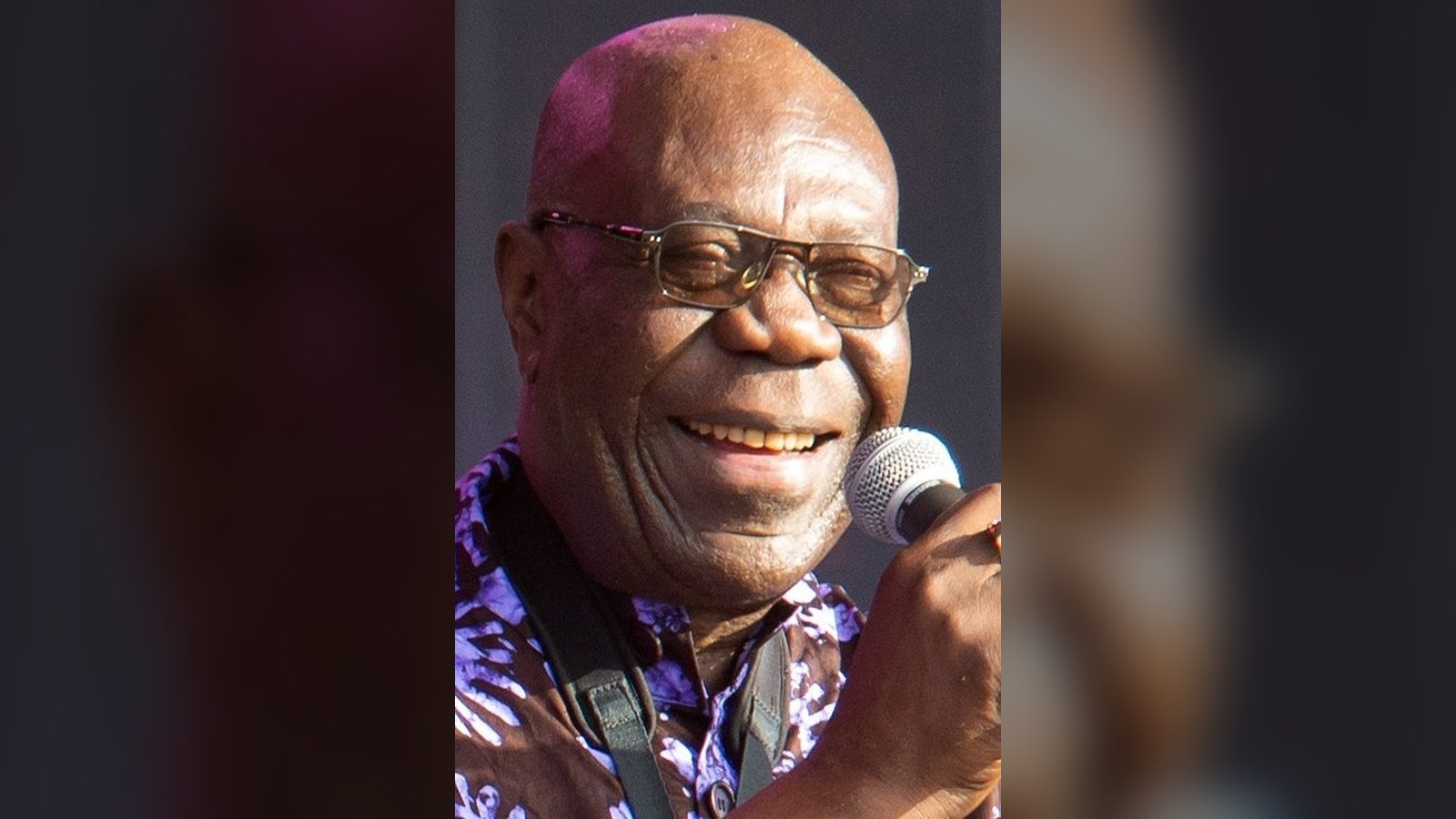
    Manu Dibango
    Manu Dibango. Photo: TMDB

    The word comes from the Duala language of coastal Cameroon and roughly means “dance.” The title fuses that with American soul, which describes the record well: Douala rhythm, a tight funk bassline, and Dibango’s saxophone riding over the top. The lyrics are minimal. Beyond the famous chant you hear a few spoken Duala phrases and exclamations, which is part of why it worked on dance floors where nobody spoke the language.

    Why it changed global pop

    You can trace a straight line from Soul Makossa to disco. Its long, repetitive groove and party energy arrived just as New York’s underground club scene was taking shape, and many historians count it among the first disco records.

    The bigger legacy is the chant. In 1982 Michael Jackson used a reworked version of it in “Wanna Be Startin’ Somethin’,” the opening track on Thriller. Dibango had not been credited, and the dispute was settled out of court. Twenty-five years later Rihanna’s “Don’t Stop the Music” (2007) used the Jackson section, which put the chant back on charts worldwide. Dibango took legal action in France in 2009.

    Myth

    Plenty of listeners assume Michael Jackson wrote the “mama-say, mama-sa” chant. He didn’t. It comes from Dibango’s 1972 recording, a decade before Thriller.

    If you know Jackson mainly through his work with the singers in USA for Africa, hearing Soul Makossa first is a useful reminder of how much African music fed his sound.

    Soul Makossa and modern African pop

    Dibango proved that an African record could break the US market on its own terms, without translating itself for American ears. That idea runs underneath today’s afrobeats music boom, where Nigerian and Ghanaian stars chart in the US and UK singing in Pidgin and Yoruba. The 1970s were full of similar cross-pollination: Ethio-jazz, a high point in the music of Ethiopia, was mixing local scales with funk and jazz at the same moment.

    Dibango kept recording and touring for almost five more decades. He died in Paris on March 24, 2020, aged 86, after contracting COVID-19.

    Listen next

    Play Fela Kuti’s “Water No Get Enemy” to hear Lagos funk from the same era.

    FAQ

    Who sang Soul Makossa?

    Manu Dibango, the Cameroonian saxophonist and bandleader, wrote and recorded it in 1972.

    What chart position did Soul Makossa reach?

    It peaked at No. 35 on the Billboard Hot 100 in 1973 after Atlantic Records picked it up for US release.

    Did Michael Jackson sample Soul Makossa?

    Jackson reworked its chant at the end of “Wanna Be Startin’ Somethin’” (1982). Dibango was not credited at first, and the matter was settled out of court.

    What language is Soul Makossa in?

    The few spoken lines are mostly Duala, a language from the Douala region of Cameroon. The chant itself is built from the word “makossa.”

  • What Is Gqom Music and What Does the Name Mean

    What Is Gqom Music and What Does the Name Mean

    Gqom is a dark, drum-heavy style of electronic dance music that grew out of the townships of Durban, South Africa, in the early 2010s. The name is an onomatopoeic isiZulu word, pronounced with a click, that imitates the thud of a hard drum hit. In this guide we cover where the genre came from, what the word means, how it sounds, and the artists who carried it from taxi ranks to international festival stages.

    Last updated: October 29, 2026

    FromDurban, South Africa
    GenreGqom (electronic dance)
    EmergedEarly 2010s
    LanguageisiZulu

    What gqom music actually is

    At its core, gqom music is stripped-back, percussion-first dance music built for loud speakers and long nights. Producers usually work somewhere in the 120s for tempo, and they lean on booming kicks, rolling toms, broken or syncopated patterns that often avoid the steady four-on-the-floor of standard house, and very little melody. The low end is raw and heavy. What melody exists tends to come from short synth stabs, eerie pads, sirens, whistles or chanted vocal hooks rather than full songs with verses and choruses.

    The early records were made largely in FL Studio on modest home computers, and that limitation shaped the sound as much as any artistic plan did. Producers in areas such as Umlazi, KwaMashu and Inanda were not trying to polish anything. They wanted tracks that hit hard in a packed room, a car with the windows down, or a minibus taxi with the volume pushed past what its speakers could handle. The result was minimal and slightly menacing, and that rawness became the genre’s signature.

    We find it useful to think of gqom as a cousin of house rather than a subgenre of it. It shares DNA with kwaito and Durban’s long-running house scene, but it removed most of the warmth and soul those styles carried and replaced them with tension, space and percussion.

    What the name gqom means

    The gqom meaning comes straight from the sound. In isiZulu the word mimics the noise of something striking hard, most often described as a heavy drum hit or a sudden bang. It is onomatopoeia, like “boom” or “thud” in English, which makes it an unusually honest genre name: it tells you exactly what the music prioritises before you hear a note.

    Pronunciation is where many outsiders stumble. The “gq” at the start is a voiced click, one of the click consonants that isiZulu shares with isiXhosa and other Southern African languages. Speakers produce it by pressing the tongue against the roof of the mouth and pulling it down sharply, voicing the sound as they release it. An English approximation like “gom” or “kwom” loses the click entirely, and with it the percussive snap the word is meant to convey. You will also see the term written as igqom, qgom or gqomu, reflecting how differently it was spelled across early file names, flyers and social media posts before “gqom” settled as the standard.

    Myth

    Gqom is often described online as a type of amapiano, or even as a Johannesburg sound. Neither is right. Gqom came out of Durban in KwaZulu-Natal and peaked as a national force around 2016 to 2018, before amapiano rose from Gauteng’s townships. The two share a country and some audiences, but they are distinct genres with different tempos, moods and roots.

    How the genre spread: streets, phones and download links

    What separates the gqom genre from many dance styles is how it travelled. It did not break through radio or record labels first. It moved through the streets, passed between phones over Bluetooth and WhatsApp, and spread through free download links that young South Africans shared constantly. File-hosting sites such as Datafilehost became an informal distribution network, and producers who could not afford proper studios or marketing built reputations purely on how often their tracks were copied and played.

    Minibus taxis were a crucial part of that network. Drivers competed to play the newest, hardest tracks, and a song that worked in a taxi rank in central Durban could reach thousands of commuters in a week. Clubs, house parties and street gatherings did the rest. SoundCloud later helped carry the sound outward, letting DJs and listeners in London, Berlin and elsewhere find producers they would never have encountered through conventional channels.

    This bottom-up spread is something gqom shares with other youth movements on the continent. Kenyan music explained from benga to gengetone follows a similar arc, where raw, phone-shared tracks built huge audiences long before the industry caught up. In both cases the format of distribution shaped the music: short, punchy, instantly recognisable sounds that worked on cheap speakers.

    A short timeline of gqom

    Period What happened
    Early 2010s Durban township producers develop the raw, kick-led style that becomes gqom
    Mid 2010s Tracks circulate via download links, WhatsApp and taxi sound systems across KwaZulu-Natal
    2016 The Gqom Oh! label releases its Sound of Durban compilation, introducing the scene to European listeners
    2016 Babes Wodumo’s “Wololo” and Distruction Boyz’s “Omunye” take gqom into the South African mainstream
    2017 Distruction Boyz release the album Gqom Is the Future
    2019 DJ Lag is among the producers on Beyoncé’s “My Power” from The Lion King: The Gift
    Late 2010s onward Amapiano overtakes gqom as South Africa’s dominant dance sound, while gqom persists in Durban and in global club circuits

    Featured artists who defined the sound

    Any account of popular gqom artists has to begin with DJ Lag, the Durban producer most often credited with taking the genre abroad. His work with London’s Goon Club Allstars label, his heavy international touring, and his production credit on “My Power” made him the scene’s most visible ambassador. He has also been associated with a variation sometimes called “3-step”, which leans further into off-kilter, rolling rhythms.

    Several crews whose names end in “boyz” shaped the early sound. The Rudeboyz are widely credited as among the genre’s originators, and Naked Boyz were part of the same first wave of township producers. Distruction Boyz, the duo of Que and Goldmax, became the commercial face of the genre with “Omunye” and the defiantly titled Gqom Is the Future, which helped convince radio and the wider industry that this was more than a passing Durban fad.

    Babes Wodumo brought gqom to a mass audience as a performer. “Wololo”, released in 2016 with Mampintsha, became one of the defining South African hits of that period, and her energetic dancing turned the genre into something people wanted to watch as much as hear. Mampintsha, who died in December 2022, was a key figure behind the scenes as an artist and label head in Durban.

    Other names worth knowing include Griffit Vigo, Citizen Boy and Dladla Mshunqisi, along with Durban hitmaker DJ Tira, whose Afrotainment label gave gqom-leaning acts a commercial platform. Busiswa and Moonchild Sanelly, both of whom appear on “My Power”, have also worked within or alongside gqom’s high-energy aesthetic.

    Listen next

    Start with Distruction Boyz’s “Omunye”, then go straight to a DJ Lag set to hear how far the genre stretches from radio hit to pure club pressure.

    Gqom versus amapiano and afrobeats

    New listeners often lump every African dance style together, so it helps to draw clear lines. Amapiano music, explained in our beginner’s guide to the genre, is generally slower and warmer, built around log-drum basslines, jazzy keys and a laid-back groove that came out of Gauteng. Gqom is harder, darker and more percussive, with far less melody and a more confrontational energy. The amapiano wave, led by figures such as the Scorpion Kings duo of Kabza De Small and DJ Maphorisa, largely took over South Africa’s charts and clubs after gqom’s peak.

    Gqom is also unrelated to Afrobeats music from Nigeria and Ghana, which is song-driven, melodic and rooted in highlife, hip-hop and dancehall influences. Afrobeats is built around singers and hooks; gqom is built around drums and the dancefloor.

    Why gqom still matters

    Although amapiano now dominates South African streaming, gqom never disappeared. It remains a staple in Durban, it continues to inform producers in Europe’s club scenes, and its influence shows up in harder-edged South African dance music that borrows its kicks and tension. More importantly, gqom proved that a scene built entirely on free downloads, cheap software and township parties could export a sound to the world on its own terms, without waiting for industry permission.

    For anyone trying to understand South African dance music, gqom is the necessary next step after kwaito and before amapiano: the moment Durban’s youth took the drum, stripped everything else away, and named the result after the sound itself.

    FAQ

    What does gqom mean?

    Gqom is an onomatopoeic isiZulu word that imitates the sound of a hard hit, usually described as a heavy drum strike or a bang. The name reflects the genre’s focus on booming, percussive kicks.

    How do you pronounce gqom?

    The “gq” is a voiced click consonant, made by pressing the tongue to the roof of the mouth and pulling it down sharply while voicing the sound. Saying “gom” without the click is a common but inaccurate approximation.

    Where did gqom music come from?

    Gqom originated in the townships of Durban, in South Africa’s KwaZulu-Natal province, in the early 2010s, with areas such as Umlazi, KwaMashu and Inanda central to its development.

    Is gqom the same as amapiano?

    No. Gqom is a darker, harder, drum-led Durban sound that peaked around 2016 to 2018, while amapiano is a slower, warmer, log-drum-driven style from Gauteng that rose afterward.

    Who are the best-known gqom artists?

    DJ Lag, Distruction Boyz, Babes Wodumo, the Rudeboyz, Naked Boyz, Griffit Vigo and Citizen Boy are among the most influential names associated with the genre.

  • The Music of Ethiopia, from Azmari Traditions to Ethio Jazz

    The Music of Ethiopia, from Azmari Traditions to Ethio Jazz

    The music of Ethiopia is built on its own pentatonic modal system, called qenet, and runs from Orthodox chant and azmari minstrels to golden-age soul, Ethio-jazz and modern Amharic and Oromo pop. Its sound comes from four core modes, a set of distinctive instruments and a tradition of double-meaning poetry. This guide covers each era, the key artists and the records to start with.

    FromEthiopia, Horn of Africa
    Core soundPentatonic qenet modes
    Golden age1960s to 1974
    Signature exportEthio-jazz
    Main languagesAmharic, Oromo, Tigrinya

    What Makes Ethiopian Music Sound Ethiopian

    Ethiopian music is easy to recognise even if you have never studied it. Most of that comes down to three things.

    The first is the scales. Ethiopian melodies use five-note modes, but not the ones you know from blues or West African guitar music. The intervals sit in different places, so the music sounds bittersweet and slightly off-centre to Western ears.

    The second is the voice. Singers use heavy ornamentation, with fast trills and melisma that bend around a single syllable. Amharic singing in particular has a quavering, almost sobbing edge.

    The third is the poetry. Ethiopian lyrics reward close listening, because many lines hide a second meaning.

    The Four Qenet Modes

    Musicians in Ethiopia describe their scales with the word qenet (also written kignit or kiñit). There are four main modes. Each one has major and minor variants, and each carries a mood.

    Mode Common spellings Mood and use
    Tizita Tezeta, Tizeta Longing, nostalgia, memory. The best-known mode and a song form in its own right
    Bati Batti Named after a town in Wollo. Often wistful, used in love songs
    Ambassel Ambasel Named after a mountain region in Wollo. Bright, with a stately feel
    Anchihoye Anchiye Hoye The most unusual sounding of the four. Restless, with an exotic colour even to Ethiopian ears

    Tizita deserves its own note. The word means something close to “memory” or “nostalgia.” It describes the ache of remembering a person, a place or a time you cannot get back.

    Tizita is also a type of song. Almost every major Ethiopian singer has recorded one, Mahmoud Ahmed among them. Mulatu Astatke built instrumental jazz around it. When people say Ethiopian music sounds sad and beautiful at the same time, tizita is usually what they are hearing.

    Wax and Gold: The Double Meaning

    Ethiopian poets prize a technique called sem-ena-werq, which translates as “wax and gold.” The idea comes from goldsmithing. A craftsman makes a wax mould, pours in molten gold and melts the wax away.

    In a song, the wax is the surface meaning. The gold is the hidden one.

    A line can sound like a love song and work as political criticism at the same time. For centuries this protected singers who wanted to mock a nobleman or criticise a government. It still shapes lyrics today, and it explains why Ethiopian listeners argue about what a song “really” means.

    Why Spellings Never Match

    You will see the same song or artist spelled three different ways. This trips up a lot of new listeners.

    Amharic, Tigrinya and Ge’ez are written in the Ethiopic script, called fidel. It is an abugida, a writing system where each character combines a consonant with a vowel. In fact the linguistic term “abugida” was coined from the first letters of the Ethiopic sequence.

    There is no single agreed way to convert fidel into Latin letters. So tizita becomes tezeta. Getatchew becomes Getachew. Search with more than one spelling and you will find far more music.

    The Instruments of Ethiopian Music

    Traditional Ethiopian music has its own toolkit. Several of these instruments show up in modern pop and jazz recordings too, so it pays to know them by ear.

    Instrument Type What it sounds like Where you hear it
    Masenqo One-string bowed fiddle Nasal, vocal, sliding Azmari performances, folk bands
    Krar Five or six-string lyre Bright, plucked, rhythmic Secular songs, pop arrangements
    Begena Large ten-string lyre Deep, with a buzzing drone Meditative religious song
    Washint Bamboo flute Breathy, pastoral Highland folk music
    Kebero Large hand drum Deep, driving Church ceremonies, celebrations
    Tsenatsel Metal sistrum Shimmering rattle Orthodox liturgy
    Embilta End-blown flute, one note each Played in interlocking groups Ceremonies and festivals

    The masenqo is the most distinctive. It has one string of horsehair, a diamond-shaped wooden body covered in skin, and a bow. In skilled hands it follows the voice so closely it seems to sing along.

    The krar is its partner. Many modern Ethiopian pop songs swap it for electric guitar, but the plucking patterns survive.

    The begena is something else entirely. It is tall, heavy and played with a buzzing tone produced by leather strips placed against the strings. It is used for spiritual reflection, especially during Lent, rather than for parties. Alemu Aga is the begena player most international listeners discover first.

    Sacred Roots: Chant, Saint Yared and Manzuma

    To understand music in Ethiopia, you start in the church.

    Ethiopian Orthodox tradition credits Saint Yared, a sixth-century figure, with creating the liturgical chant called zema. According to that tradition, he organised it into three modes: ge’ez, ezel and araray. Church scholars later developed a notation system of small signs written above the text.

    Trained cantors called debtera perform this chant. They sing, sway and mark time with prayer staffs, backed by kebero drums and the tsenatsel sistrum. If you visit during Timket (Epiphany) or Meskel, the festival of the True Cross, you will hear this music in the streets as well as in church.

    Ethiopia also has deep Islamic musical traditions. In Wollo and Harar, manzuma is a devotional sung poetry, usually in Amharic or Oromo, focused on praise of the Prophet and moral teaching. It is a reminder that Ethiopian music is far bigger than the Orthodox highlands.

    The Azmari Tradition

    If chant is the sacred side of Ethiopian music, the azmari is the secular heart.

    Azmaris are singer-poets. Traditionally they travelled, played masenqo or krar, and performed for weddings, feasts and noble courts. They could praise you, flatter you or roast you in verse. Often all three in one night.

    The key skill is improvisation. A good azmari reads the room and composes lines on the spot about the people in front of them. Wax and gold is their weapon. A compliment can carry a sting that only half the audience catches.

    Azmaris have held an odd social position. They were valued as entertainers and sometimes feared as critics, but they were not always respected. Historically they also carried news from town to town.

    Azmari Bets Today

    In Addis Ababa, the tradition lives on in azmari bets: small bars where musicians perform nightly. You sit close, drink tej (honey wine) or beer, and the azmari works the crowd. Tip them and you may hear your name in a verse.

    The best-known is Fendika, an azmari bet and cultural centre in the Kazanchis area run by dancer Melaku Belay. Fendika is known internationally for keeping traditional music and the shoulder-heavy eskista dance alive, and for hosting experimental collaborations too.

    Many azmari bets cater to tourists now. The good ones still feel local. Go late, sit near the front and expect to be part of the show.

    Regional Sounds Beyond Amharic

    Most international writing about Ethiopian music focuses on Amharic songs from the highlands. That leaves out much of the country. Ethiopia has more than 80 languages, and many of them have their own musical styles.

    Oromo Music

    The Oromo are Ethiopia’s largest ethnic group, and Oromo music has a long history of its own. Song forms such as geerarsa (heroic chant) carry history and praise.

    Ali Birra, born in Dire Dawa in 1950, is the towering figure of modern Oromo song. His career spans decades and he remains a symbol of Oromo cultural pride.

    The most important Oromo singer of recent years is Hachalu Hundessa. His songs became anthems of the Oromo protest movement in the 2010s, and “Maalan Jira” ranks among his best-known. He was shot dead in Addis Ababa on June 29, 2020. His killing set off major unrest across the country. His music is still widely played.

    Tigrinya Music

    In Tigray, music is driven by the krar and the circular guayla dance. Rhythms are often in a loping, swinging pattern that sounds very different from Amharic songs. Tigrinya music is also shared with neighbouring Eritrea, where the same language is spoken.

    Gurage, Wolaita and the South

    The Gurage are known for fast, energetic dance music with sharp, jumping movements. Wolaita music has its own hip-shaking rhythms that have become popular across Ethiopia through music videos.

    Further south, in the Omo Valley and among peoples such as the Dorze and Konso, you find vocal polyphony. Groups sing interlocking parts, layered and repeating. It is a different world from the solo ornamentation of Amharic singing.

    If you enjoy these regional styles, the contrasts with East African neighbours are worth exploring too. Our article on Kenya music traces how benga and gengetone developed just across the southern border.

    Brass, Bands and the Golden Age (1924 to 1974)

    Modern Ethiopian popular music began, oddly enough, with a group of orphans.

    The Arba Lijoch

    In 1924, Ras Tafari (later Emperor Haile Selassie) visited Jerusalem. There he heard a brass band of Armenian orphans who had survived the genocide. He adopted them and brought them to Addis Ababa.

    They became known as the Arba Lijoch, Amharic for “forty children.” Their bandleader, Kevork Nalbandian, composed the music for Ethiopia’s first national anthem in 1930.

    This planted brass music in the heart of the Ethiopian state. Later, Kevork’s nephew Nerses Nalbandian became a key arranger and teacher, helping adapt Ethiopian melodies for big-band instruments.

    The Institutional Bands

    By the 1950s and 1960s, live popular music in Ethiopia was dominated by state-backed orchestras. The most famous were:

    • The Imperial Bodyguard Band, attached to Haile Selassie’s guard
    • The Police Orchestra
    • The Army Band
    • The Haile Selassie I Theatre orchestra

    These bands paid salaries, trained musicians and played everything from military marches to dance music. Many of the great golden-age singers came up inside them.

    The sound mixed Ethiopian modes and vocal style with horns, electric guitars, organ and rhythms borrowed from American soul and R&B. By the late 1960s, Addis Ababa had a buzzing nightlife. People later called the city “Swinging Addis.”

    Voices of the Golden Age

    These are the names you will meet again and again in Ethiopian music history.

    Tilahun Gessesse (1940 to 2009) is called “The Voice.” He sang with the Imperial Bodyguard Band and became the most beloved singer of his generation. His death in April 2009 brought huge crowds into the streets of Addis Ababa.

    Mahmoud Ahmed, born in 1941, started out doing odd jobs at the Imperial Bodyguard club before stepping up to sing. His album Ere Mela Mela first came out in Ethiopia in 1975. A 1986 reissue on the Belgian label Crammed Discs introduced him to listeners in Europe.

    Alemayehu Eshete earned the nickname “the Ethiopian Elvis” for his energetic, rock-influenced style. He died in May 2021.

    Hirut Bekele was one of the leading female voices of the era, with a long career that started in the 1960s.

    Bizunesh Bekele was another major female singer, closely linked to the Imperial Bodyguard Band.

    Muluken Melesse and Menelik Wossenachew also had big hits in the period. Their recordings appear on many reissue compilations today.

    Amha Eshete and the Record Labels

    Recording was slow to arrive. For years, the state had tight control over music, and few records were made locally.

    That changed in 1969 when Amha Eshete, a record shop owner, founded Amha Records. He released singles by golden-age stars and helped create a home recording industry. Other labels followed, including Kaifa Records and Philips Ethiopia.

    Over the next five years, these labels pressed hundreds of singles and a smaller number of albums. That short burst is the source of almost every golden-age recording you can find today.

    Ethio-Jazz and Mulatu Astatke

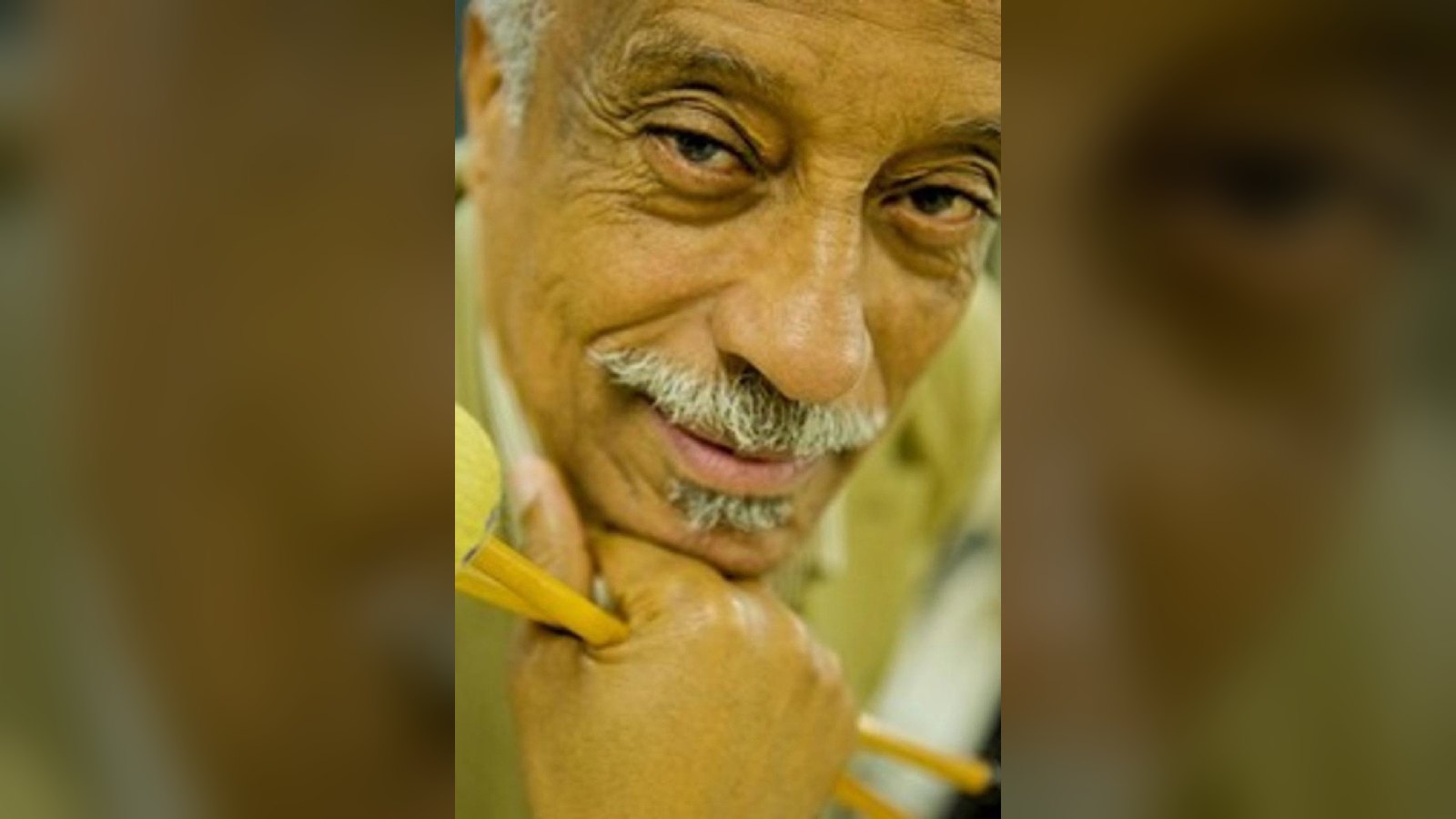
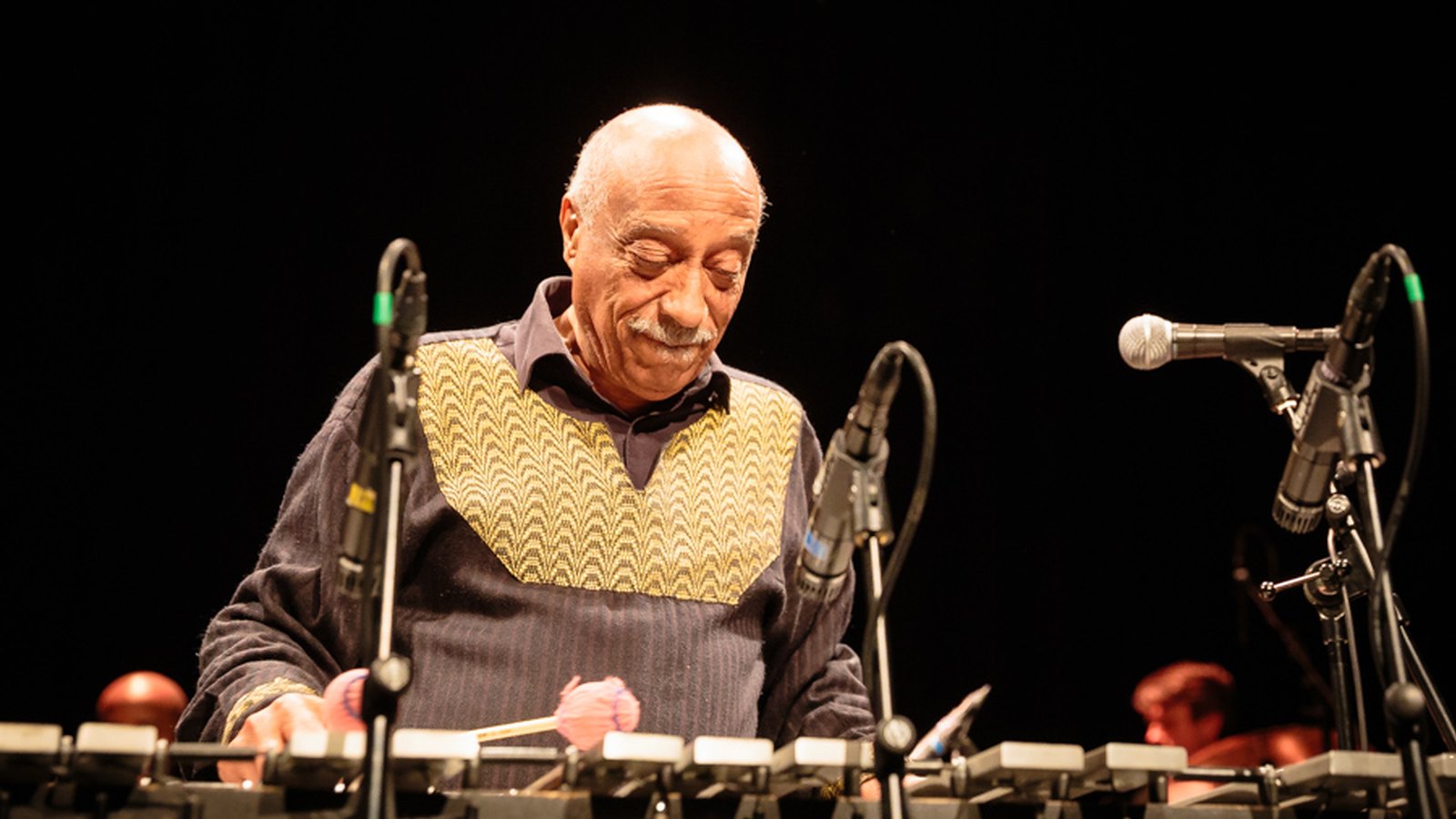
    Mulatu Astatke
    Mulatu Astatke. Photo: Wikimedia Commons

    Ethio-jazz is the sound most people outside Ethiopia know first. Its main architect is Mulatu Astatke.

    Mulatu was born in Jimma in 1943. He studied music abroad, in London and then in the United States, where he attended Berklee College of Music in Boston. In New York he soaked up jazz and Latin music, and he started blending both with Ethiopian modes.

    The result was instrumental music built on the qenet scales, played with vibraphone, organ, horns and congas. It sounds cool, hypnotic and slightly mysterious.

    Key Mulatu recordings:

    • Mulatu of Ethiopia (1972, Worthy Records), recorded in New York. It includes “Yègellé Tezeta” and “Kasalefkut-Hulu.”
    • Yekatit Ethio-Jazz (1974, Amha Records), recorded in Addis Ababa.
    • “Yekermo Sew”, which reached a new generation through Jim Jarmusch’s 2005 film Broken Flowers.

    Mulatu’s influence keeps spreading. Nas and Damian Marley sampled “Yègellé Tezeta” for “As We Enter” on their 2010 album Distant Relatives. He also recorded with the London group The Heliocentrics on Inspiration Information Vol. 3 (2009) and released Mulatu Steps Ahead (2010) and Sketches of Ethiopia (2013).

    Listen next

    Play Mulatu Astatke’s “Yègellé Tezeta,” then Nas and Damian Marley’s “As We Enter” to hear how a 1972 tizita became a hip-hop loop.

    Getatchew Mekurya and the Saxophone

    Saxophonist Getatchew Mekurya took a different route into jazz. He adapted shellela, a fierce, chanted war-cry tradition, to the tenor sax. The sound is raw, wild and closer to free jazz than to Mulatu’s polished grooves.

    He was later celebrated in Europe, especially through his collaboration with the Dutch punk band The Ex. He died in April 2016.

    Emahoy Tsegué-Maryam Guèbrou

    One of the most unusual voices in Ethiopian music history belonged to a nun.

    Emahoy Tsegué-Maryam Guèbrou was born Yewubdar Gebru in 1923. She studied classical music, then took religious vows and spent much of her life in a monastery. Her solo piano works blend Western classical technique with Ethiopian modes and church melody.

    “The Homeless Wanderer” is her most famous piece. Her music reached international listeners through the Éthiopiques reissue series, and she died in Jerusalem on March 26, 2023, aged 99.

    The Derg Years and the Diaspora (1974 to 1991)

    In 1974, a military group known as the Derg overthrew Haile Selassie. Swinging Addis came to an abrupt stop.

    The new regime imposed curfews that killed nightlife. Clubs closed early or shut down. Lyrics faced censorship, and songs were expected to serve the revolution. Many musicians and label owners left the country.

    Music did not stop, though. It changed shape.

    The Hotel Bands

    A few bands kept playing, often in hotels. The most important were:

    • The Walias Band, linked to the Hilton in Addis Ababa. Keyboardist Hailu Mergia was a central member, and the band worked with Mulatu Astatke.
    • The Roha Band, which backed many of the biggest singers of the 1980s.
    • The Dahlak Band, another busy backing group of the era.

    The Cassette Era

    Vinyl production faded. Cassettes took over, cheap to copy and easy to sell. Synthesizers and drum machines crept in during the 1980s.

    Hailu Mergia’s story is the classic example. In 1985 he recorded Hailu Mergia & His Classical Instrument, a mostly solo album of accordion, keyboard and Moog. It sold on cassette and faded from view.

    Years later, Hailu was driving a taxi in Washington, D.C. Brian Shimkovitz, founder of the label Awesome Tapes From Africa, reissued the album. That led to a full comeback, including the new albums Lala Belu (2018) and Yene Mircha (2020).

    Famine, Headlines and What the World Missed

    In 1984 and 1985, famine in Ethiopia became a global news story. It prompted Band Aid and USA for Africa. You can read about the singers in USA for Africa and the “We Are the World” sessions in our separate feature.

    Those charity records shaped how much of the world pictured Ethiopia for decades. Ethiopian musicians themselves were largely absent from that story, even as they worked through curfews, censorship and exile. That gap is worth remembering whenever you hear the country reduced to one image.

    Washington, D.C. and the Diaspora Stars

    Washington, D.C. became the capital of the Ethiopian diaspora, with restaurants and clubs that hosted live music. Other communities grew in Los Angeles, London, Toronto and Tel Aviv.

    Aster Aweke is the key diaspora star. She was born in Gondar and moved to the United States in the early 1980s. Her albums Aster and Kabu introduced her to world music audiences around 1989 to 1991. Her voice, raw and soulful, made her one of the best-known Ethiopian singers anywhere. The Weeknd, born in Toronto to Ethiopian parents, has named her as an early influence.

    Ephrem Tamiru (also spelled Ephrem Tamru) became one of the most popular male singers of the 1980s and 1990s, with romantic songs that remain wedding staples.

    Neway Debebe was another big voice of the 1980s, admired for his clear tone and lyrical skill.

    Abatte Barihun, an Ethiopian-born saxophonist based in Israel, has carried Ethiopian modes into jazz settings abroad.

    Éthiopiques and the Global Rediscovery

    For most of the world, the golden age was invisible until the late 1990s. Then a Frenchman with a record collection changed that.

    Francis Falceto had become obsessed with Ethiopian music in the 1980s. In 1997 he launched Éthiopiques, a reissue series on the French label Buda Musique. It has since run to about 30 volumes.

    The series gathered singles from Amha, Kaifa and other labels and put them on CD with detailed notes. Volume 4, Ethio Jazz & Musique Instrumentale 1969-1974, focused on Mulatu Astatke. Other volumes covered Mahmoud Ahmed, Tilahun Gessesse, Alemayehu Eshete, Getatchew Mekurya and Emahoy Tsegué-Maryam Guèbrou.

    Éthiopiques inspired a wave of new bands outside Ethiopia:

    • The Either/Orchestra from Boston played the Ethiopian Music Festival in Addis Ababa in 2004. Their set was released as Live in Addis, volume 20 of the series.
    • The Ex, the Dutch punk band, built a long partnership with Getatchew Mekurya.
    • Debo Band in the United States and Black Jesus Experience in Australia both built careers on Ethiopian grooves.

    Landmark Recordings at a Glance

    Year Recording Artist Label Why it matters
    1972 Mulatu of Ethiopia Mulatu Astatke Worthy Records Defining Ethio-jazz album
    1974 Yekatit Ethio-Jazz Mulatu Astatke Amha Records Ethio-jazz recorded in Addis Ababa
    1975 Ere Mela Mela Mahmoud Ahmed Kaifa Records Golden-age classic; 1986 Crammed Discs reissue went global
    1985 Hailu Mergia & His Classical Instrument Hailu Mergia Cassette release Reissued 2013 by Awesome Tapes From Africa
    1997 Éthiopiques series begins Various Buda Musique Brought the golden age to world audiences
    2001 Abugida Teddy Afro Ethiopian release Debut of the biggest modern Ethiopian star
    2001 Gigi Gigi Palm Pictures Global crossover produced by Bill Laswell
    2005 Live in Addis Either/Orchestra Buda Musique Western band playing Ethiopian music in Addis
    2017 Ethiopia Teddy Afro Ethiopian release Reached No. 1 on Billboard’s World Albums chart
    2018 Lala Belu Hailu Mergia Awesome Tapes From Africa First new album in decades

    Modern Ethiopian Pop: Teddy Afro and After

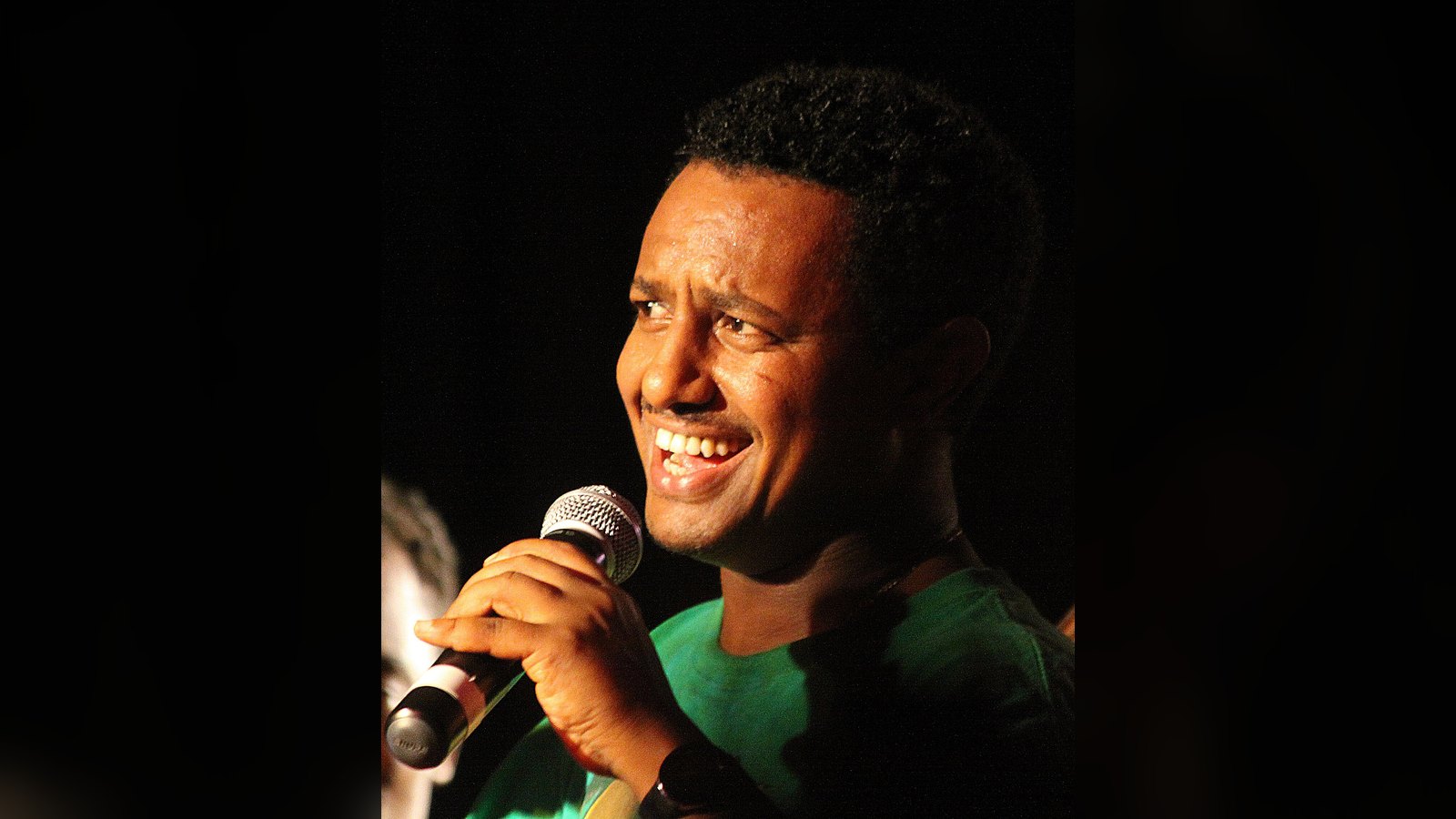
    Teddy Afro
    Teddy Afro. Photo: Wikimedia Commons

    The Derg fell in 1991. A new government came in, censorship loosened, and private studios multiplied. Popular music in Ethiopia exploded again, this time driven by keyboards, CDs and later YouTube.

    Teddy Afro

    Teddy Afro, born Tewodros Kassahun, is the biggest Ethiopian star of the modern era.

    His 2001 debut album Abugida took its name from the Ethiopic script itself. That choice told you a lot. Teddy Afro built his career on Ethiopian identity, history and unity, mixed with reggae, pop and traditional melodies.

    His 2005 album Yasteseryal was a massive seller and turned him into a national figure. Several of its songs were read as political commentary, and that wax-and-gold quality made him both loved and controversial.

    Tikur Sew followed in 2012. The title means “Black Man,” a reference to Emperor Menelik II and the Ethiopian victory over Italy at Adwa in 1896.

    His 2017 album Ethiopia reached No. 1 on Billboard’s World Albums chart. That was a rare moment of Western chart recognition for an Amharic-language record.

    Love songs remain central to his catalogue. Words such as fikir (love) and desta (joy) run through his lyrics, as they do across Amharic pop.

    The Wider Amharic Pop Scene

    Teddy Afro towers over the scene, but he is far from alone. These artists show the range of music from Ethiopia over the last 25 years.

    • Zeritu Kebede is a singer and songwriter known for soulful, polished pop and gospel-tinged work.
    • Tamrat Desta was one of the most popular male singers of the 2000s, with smooth romantic songs.
    • Haileyesus Feyssa is a contemporary singer whose love songs have built a large following online.
    • Gossaye Tesfaye is known for his ballads and traditional-leaning vocal style.
    • Jano Band mixed Ethiopian melody with hard rock. Their album Ertale introduced a new, louder sound to Addis Ababa.
    • Gigi (Ejigayehu Shibabaw) moved to the United States and made her 2001 self-titled album with producer Bill Laswell, combining Ethiopian song with jazz, funk and ambient sounds.

    Electronic, Hip-Hop and the New Generation

    Younger producers in Addis Ababa now blend Ethiopian modes with electronic music. Rophnan is the best-known of this wave, building large audiences with music that sits between EDM and Ethiopian pop.

    Ethiopian hip-hop and R&B have grown too, with artists rapping in Amharic and mixing local slang with global beats. YouTube is the main battleground. Many Ethiopian hits rack up their biggest numbers there rather than on Spotify or Apple Music, which have patchier coverage of the local catalogue.

    Oromo, Tigrinya and Wolaita pop are booming in parallel. Each scene has its own stars, radio stations and video channels.

    A Short Glossary for Decoding Song Titles

    You do not need to speak Amharic to enjoy the music. But a few words come up constantly in song titles, and knowing them helps you follow along.

    Word Meaning Where you will see it
    Tizita Memory, nostalgia, longing Song titles and the mode
    Fikir Love Countless love songs
    Desta Joy, happiness Celebration songs; also a common name
    Meret Land, earth, soil Patriotic and rural songs
    Hagere My country Patriotic songs
    Endet How Questions and laments (“how could you…”)
    Arenguade Green Imagery of land, spring and renewal
    Birabiro Butterfly Love songs and playful imagery
    Hewan Eve Biblical imagery in love songs

    Keep wax and gold in mind. A song about green land might really be about a person, a region or a political moment.

    Ethiopian Music and Afrobeats: Not the Same Thing

    Myth

    Ethiopian music is often lumped in with Afrobeats as one “African sound.” The two have separate roots, scales, languages and industries. Afrobeats grew out of Nigeria and Ghana, while Ethiopian pop is built on qenet modes and Amharic, Oromo and Tigrinya song traditions.

    This matters if you follow African charts. Ethiopian songs rarely appear on Billboard’s U.S. Afrobeats Songs chart or the UK Official Afrobeats Chart, and Nigeria’s TurnTable Top 100 tracks Nigerian consumption. That is not because Ethiopian music is less popular at home. It is because those charts measure a different scene.

    Our article on Afrobeats music explains where that West African sound came from. Put it side by side with an Ethiopian golden-age record and the differences jump out. Afrobeats leans on percussion and groove. Ethiopian music leans on melody, scale and the voice.

    The rhythm feel differs too. Many Ethiopian songs use a swinging 6/8 or 12/8 pulse, especially in dance styles such as eskista. Afrobeats tends to sit in a steady 4/4 with layered percussion.

    Where to Start Listening

    You can lose months in this catalogue. Here is a starter list that covers the main eras.

    Start with Artist Era Why
    “Yègellé Tezeta” Mulatu Astatke Ethio-jazz, 1972 Tizita mode meets jazz
    “Yekermo Sew” Mulatu Astatke Ethio-jazz The Broken Flowers track
    Ere Mela Mela Mahmoud Ahmed Golden age The classic golden-age album
    Éthiopiques compilations Various Golden age Best entry to Tilahun Gessesse and Alemayehu Eshete
    “The Homeless Wanderer” Emahoy Tsegué-Maryam Guèbrou Piano Quiet, haunting, unlike anything else
    Hailu Mergia & His Classical Instrument Hailu Mergia Cassette era Lo-fi keys and accordion
    Kabu Aster Aweke Diaspora Her most celebrated international album
    Gigi Gigi 2000s crossover Ethiopian song with global production
    Ethiopia Teddy Afro Modern pop His Billboard World Albums No. 1
    “Maalan Jira” Hachalu Hundessa Oromo Anthem of a political movement
    Live in Addis Either/Orchestra Revival A Western band playing to an Ethiopian crowd
    Ertale Jano Band Ethio-rock Ethiopian melody with distorted guitars

    A good listening order is chronological. Start with Éthiopiques, move to Mulatu, jump to Aster Aweke, then land on Teddy Afro. You will hear the same scales and vocal ornaments survive through every change in instruments and technology.

    How to Hear Ethiopian Music Live

    Recordings only tell half the story. This is music built for rooms full of people.

    In Addis Ababa, head to an azmari bet in the evening. Fendika is the obvious first stop for a mix of traditional music and newer experiments. Hotel lounges and clubs host live bands playing golden-age covers and current hits.

    At festivals, you will hear church music outdoors. Timket in January and Meskel in September fill streets with chant, drums and processions. Enkutatash, the Ethiopian New Year in September, brings its own songs, including girls singing door to door.

    Abroad, Ethiopian restaurants in Washington, D.C., London, Toronto and other diaspora cities often host live singers on weekends. Big touring stars play diaspora concerts, especially around holidays.

    One tip that applies everywhere: dance. Eskista, the shoulder dance, is hard to master but nobody expects you to. Ethiopian crowds are generous with visitors who join in.

    Why the Music of Ethiopia Still Matters

    Ethiopia was never colonised in the way most of Africa was, apart from the Italian occupation of 1936 to 1941. That history shows in the music. Ethiopian popular music absorbed brass bands, jazz, soul, reggae and electronic sounds, but it never gave up its scales, its poetry or its vocal style.

    That is the thread running through every era. A debtera chanting in Ge’ez, an azmari improvising in a Kazanchis bar, Mulatu leaning on a vibraphone in a New York studio and Teddy Afro filling a stadium are all working with the same musical DNA.

    You can start anywhere. Just start with your ears open for tizita.

    FAQ

    What is the traditional music of Ethiopia?

    Traditional Ethiopian music includes Orthodox church chant (zema), azmari minstrel songs, regional folk styles such as Oromo geerarsa and Tigrinya guayla, and Islamic manzuma. Most of it is built on pentatonic modes called qenet and played on instruments such as the masenqo, krar, begena and kebero.

    What does tizita mean?

    Tizita means memory or nostalgia, a deep longing for someone or something in the past. It is the name of one of the four main Ethiopian modes and also a type of song. Many of Ethiopia’s biggest singers have recorded a tizita.

    Who is the most famous Ethiopian musician?

    Inside Ethiopia, Teddy Afro is the biggest modern star, and Tilahun Gessesse is the most revered singer of the golden age. Internationally, Mulatu Astatke is the best-known name thanks to Ethio-jazz, film soundtracks and hip-hop samples.

    Who created Ethio-jazz?

    Mulatu Astatke is widely credited as the father of Ethio-jazz. He combined Ethiopian modes with jazz and Latin music in the late 1960s and early 1970s, most famously on Mulatu of Ethiopia (1972).

    Is Ethiopian music sung only in Amharic?

    No. Amharic dominates international releases, but Ethiopian music is performed in many languages, including Oromo, Tigrinya, Gurage languages, Wolaita and Somali. Oromo music in particular has a huge audience and its own stars, such as Ali Birra and Hachalu Hundessa.

    Is Ethiopian music the same as Afrobeats?

    No. Afrobeats comes from Nigeria and Ghana and is driven by groove and percussion. Ethiopian music has its own modal system, languages and history, and it rarely appears on Afrobeats charts.

    What is the best way to start listening to Ethiopian music?

    Begin with the Éthiopiques compilations for the golden age, then Mulatu Astatke’s Mulatu of Ethiopia. Follow with Aster Aweke’s Kabu and Teddy Afro’s Ethiopia to hear how the sound evolved.

  • USA for Africa and the Story Behind We Are the World

    USA for Africa and the Story Behind We Are the World

    On the night of January 28, 1985, 45 singers recorded “We Are the World” at A&M Recording Studios in Hollywood, straight after the American Music Awards. Here is every soloist and chorus member, how the session came together, what the record achieved, and why the song still sparks debate across the continent it set out to help.

    Last updated: October 29, 2026

    ArtistUSA for Africa
    WritersMichael Jackson, Lionel Richie
    ProducerQuincy Jones
    ReleasedMarch 7, 1985
    LabelColumbia Records

    The Key Facts

    Here is the session and its results in brief, before we go through the full lineup.

    Fact Detail
    Recorded January 28–29, 1985, overnight
    Studio A&M Recording Studios, Hollywood
    Writers Michael Jackson and Lionel Richie
    Producers Quincy Jones, with Michael Omartian
    Credited vocalists 45 (21 soloists, 24 chorus members)
    Released March 7, 1985, on Columbia Records
    B-side “Grace,” a Quincy Jones instrumental
    Billboard Hot 100 peak No. 1, four weeks
    UK Singles Chart peak No. 1, two weeks
    Grammy Awards (1986) Four, including Record and Song of the Year
    Commonly cited sales More than 20 million copies worldwide

    The figure that matters most is the money. The song and its spin-offs raised tens of millions of dollars for famine relief within its first year. The most widely reported total is more than $80 million, counting the single, the album, video sales and merchandise.

    Why USA for Africa Happened

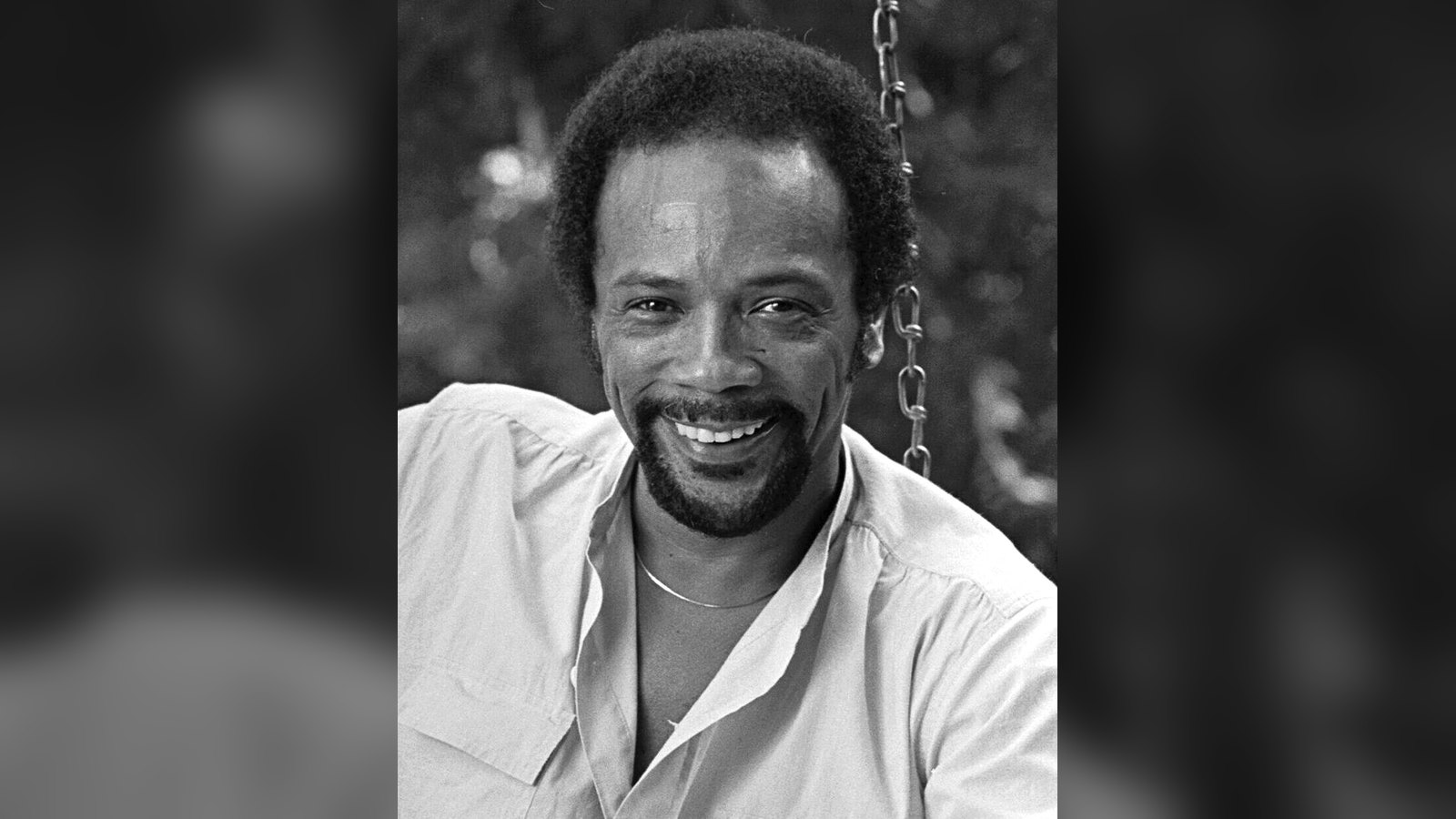
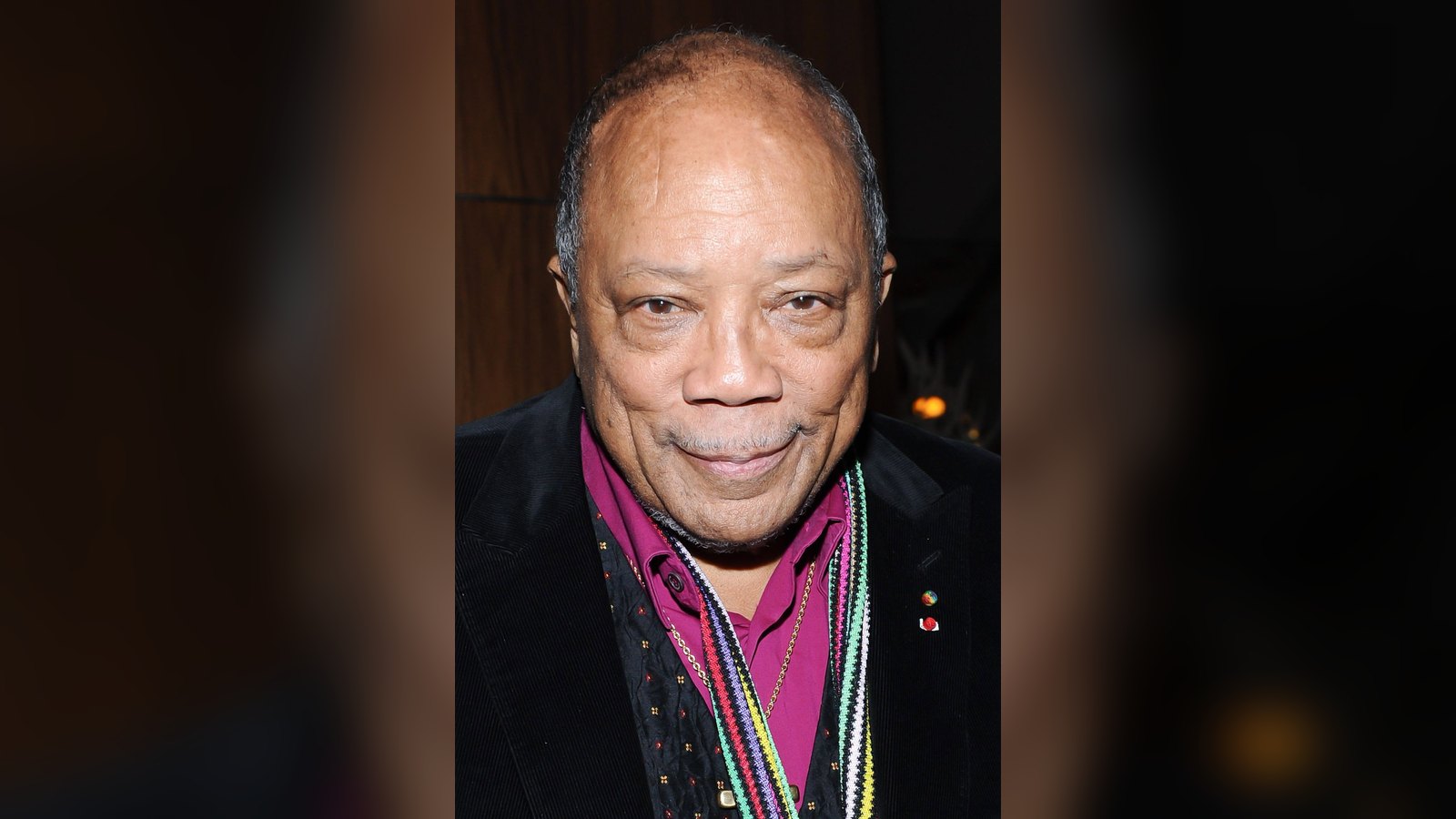
    Quincy Jones
    Quincy Jones. Photo: TMDB

    The story starts in Ethiopia. Between 1983 and 1985, drought, crop failure and civil war in the north of the country produced one of the worst famines of the century. Hundreds of thousands of people died.

    In October 1984, BBC reporter Michael Buerk broadcast footage from a feeding camp, filmed with Kenyan cameraman Mohamed Amin. The pictures shocked British viewers. Bob Geldof of the Boomtown Rats and Midge Ure of Ultravox answered with “Do They Know It’s Christmas?” by Band Aid, released that December. It became the biggest-selling single in British history up to that point.

    Harry Belafonte watched all this from the United States and felt that American artists, Black American artists especially, should be part of the response. He called Ken Kragen, the manager who handled Lionel Richie and Kenny Rogers. Kragen agreed to organize it, and within days he had Richie, Quincy Jones and Michael Jackson involved.

    That chain of phone calls is why we have the song. Belafonte supplied the conscience, Kragen the logistics, and Jones the clout that made stars say yes.

    Writing the song in a week

    Richie and Jackson wrote “We Are the World” over several late nights at the Jackson family home in Encino. Stevie Wonder was originally expected to co-write, but he could not be reached in time, so the job fell to the two of them.

    The song is simple by design. It has a hymn-like melody, a slow build and a chorus that a room full of famous voices could sing without rehearsal. Jackson reportedly recorded a guide vocal so the invited artists would know the parts before they arrived. Tapes went out to everyone with instructions from Jones.

    Picking the date

    The American Music Awards were set for January 28, 1985, at the Shrine Auditorium in Los Angeles. Richie was hosting. Half of the industry would already be in town and dressed up, so Kragen scheduled the session for the same night. Artists could walk off the awards stage and drive to the studio.

    The instrumental track had been cut earlier that month. On the night itself, the job was purely vocals.

    All the Singers in USA for Africa

    The credited lineup has 45 vocalists. Twenty-one of them sang solo lines, and 24 more sang in the chorus. Session musicians, the producers and the engineers made the full team larger still.

    The 21 soloists, in order of appearance

    This is the order the solo voices come in on the released single. Michael Jackson, Stevie Wonder, James Ingram, Ray Charles and Bruce Springsteen each come back for a second turn.

    Order Soloist Who they were in early 1985
    1 Lionel Richie Co-writer, AMA host, coming off Can’t Slow Down
    2 Stevie Wonder Motown legend, fresh from “I Just Called to Say I Love You”
    3 Paul Simon Singer-songwriter, a year before Graceland
    4 Kenny Rogers Country-pop star, Kragen client
    5 James Ingram R&B balladeer and Quincy Jones protégé
    6 Tina Turner At the peak of her Private Dancer comeback
    7 Billy Joel Piano man touring An Innocent Man
    8 Michael Jackson Co-writer, two years after Thriller
    9 Diana Ross Former Supremes lead, solo superstar
    10 Dionne Warwick Pop-soul veteran, already active in charity work
    11 Willie Nelson Outlaw country icon
    12 Al Jarreau Jazz and pop vocalist
    13 Bruce Springsteen In the middle of the Born in the U.S.A. tour
    14 Kenny Loggins Fresh from the “Footloose” soundtrack
    15 Steve Perry Journey frontman
    16 Daryl Hall One half of Hall & Oates
    17 Michael Jackson Second solo pass
    18 Huey Lewis Huey Lewis and the News frontman
    18 Cyndi Lauper New pop star after She’s So Unusual
    18 Kim Carnes “Bette Davis Eyes” singer
    19 Bob Dylan Folk-rock giant
    20 Ray Charles Soul pioneer
    21 Stevie Wonder and Bruce Springsteen Trading lines in the climax
    22 James Ingram Returning in the closing section
    23 Ray Charles Ad-libs to the fade

    Huey Lewis, Cyndi Lauper and Kim Carnes share one line as a trio, which is why they sit together in the running order. Lewis took a part that had originally been intended for Prince.

    The casting crossed genres on purpose. Country (Nelson, Rogers), soul (Charles, Wonder, Ross), rock (Springsteen, Dylan, Perry), jazz (Jarreau) and pop (Jackson, Lauper, Joel) all sit side by side. Kragen and Jones wanted a record no single radio format could ignore.

    The 24 chorus members

    The chorus is where many listeners get confused, because several big names never got a solo. Five of the chorus singers were members of Huey Lewis’s band, and five were Jackson brothers or sisters.

    Chorus member Note
    Dan Aykroyd Comedian and actor, Blues Brothers co-founder
    Harry Belafonte The project’s originator
    Lindsey Buckingham Fleetwood Mac guitarist and singer
    Mario Cipollina The News, bass
    Johnny Colla The News, guitar and sax
    Sheila E. Percussionist and singer
    Bob Geldof Band Aid organizer
    Bill Gibson The News, drums
    Chris Hayes The News, guitar
    Sean Hopper The News, keyboards
    Jackie Jackson The Jacksons
    La Toya Jackson Michael’s sister
    Marlon Jackson The Jacksons
    Randy Jackson The Jacksons
    Tito Jackson The Jacksons
    Waylon Jennings Outlaw country star
    Bette Midler Singer and actress
    John Oates Hall & Oates
    Jeffrey Osborne R&B singer
    Anita Pointer The Pointer Sisters
    June Pointer The Pointer Sisters
    Ruth Pointer The Pointer Sisters
    Smokey Robinson Motown singer and songwriter

    That makes 23 rows because the Pointer Sisters take three. Count each sister separately, together with the other chorus singers, and you reach 24. Add the 21 soloists and you get the familiar 45.

    Midler, Robinson and Buckingham are the names people are most surprised not to hear up front. With that much star power in one room, Jones simply did not have enough lines to go round.

    The musicians and team behind the vocals

    The backing track was played by top Los Angeles session players. Greg Phillinganes and Michael Omartian played keyboards, Louis Johnson was on bass, John Robinson on drums, Paulinho da Costa on percussion, and Michael Boddicker handled synthesizer programming. Quincy Jones conducted and produced, Omartian co-produced, and Humberto Gatica engineered the vocal session.

    Tom Trbovich directed the music video, which was shot during the session itself. That is why the clip feels like a documentary: it is mostly real footage of the singers working through the night.

    Myth

    Prince sang on “We Are the World.” He did not. He was in Los Angeles that night but skipped the session, and Huey Lewis sang the line meant for him. Prince’s contribution was a new song, “4 the Tears in Your Eyes,” which appeared on the We Are the World album.

    Inside the Session: Moments That Became Legend

    Most of what we know about the night comes from interviews given over the decades and from Netflix’s 2024 documentary The Greatest Night in Pop, directed by Bao Nguyen. The film premiered at the Sundance Film Festival in January 2024 and used previously unseen footage from the session. Richie served as its main narrator.

    “Check your ego at the door”

    Quincy Jones taped a handwritten sign by the studio entrance telling the stars to check their egos at the door. It has become the most quoted detail of the night, and it summed up his approach. Nobody got special treatment, and nobody got a dressing room to sulk in.

    Bob Dylan’s struggle

    Dylan was visibly uncomfortable with the big ensemble format and struggled to land his solo. Stevie Wonder sat at the piano and sang the line back to him in an impression of Dylan’s own voice, showing him how to phrase it. The documentary footage of that exchange is one of its most loved scenes.

    Cyndi Lauper’s jewelry

    During her takes, the engineers picked up a rattling noise on the microphone. It turned out to be Lauper’s bracelets and necklaces. She took them off, and the take went through.

    Springsteen’s grit

    Springsteen arrived straight from the road and sang his line with the rasp of a man in the middle of a stadium tour. His voice, set against Wonder’s in the closing section, gives the song much of its punch.

    The Swahili moment and Waylon Jennings

    This is the episode that matters most to an African music magazine. Stevie Wonder proposed adding a line sung in Swahili. Several people in the room objected, and the point was made that Ethiopians mainly speak Amharic, Tigrinya and Oromo, not Swahili.

    Swahili is a real lingua franca across East Africa. It is the language behind so much Kenya music and Tanzanian Bongo Flava. In northern Ethiopia, though, it would have meant little. The idea was dropped.

    Accounts of the night, including the documentary, say Waylon Jennings left the studio around this point, with the Swahili debate widely given as the reason. He still appears in the chorus credits. What we cannot say with certainty is exactly which takes he sang on before leaving, and no participant has settled that publicly.

    The end of the night

    The session ran through the night and wrapped up around 8 a.m. By the end, stars who had been professionals all evening were swapping autographs like fans. Diana Ross is often remembered as one of the first to start passing round her sheet music for signatures.

    Listen next

    Play Manu Dibango’s 1985 charity effort “Tam Tam pour l’Éthiopie,” recorded in Paris with African musicians, to hear how the continent’s own stars answered the same famine.

    Chart Run and Awards

    “We Are the World” was released on March 7, 1985, and it moved faster than any American pop single had before it. Retailers reported stock selling out within days. Radio stations around the world played it at the same moment on Good Friday that April, in a coordinated simulcast.

    Chart or award Result
    Billboard Hot 100 No. 1 for four weeks (spring 1985)
    Billboard Hot Black Singles No. 1
    UK Singles Chart No. 1 for two weeks (April 1985)
    Grammy: Record of the Year (1986) Won
    Grammy: Song of the Year (1986) Won (Jackson and Richie)
    Grammy: Best Pop Performance by a Duo or Group with Vocal (1986) Won
    Grammy: Best Music Video, Short Form (1986) Won

    It also topped charts in Canada, Australia and much of Europe. The commonly cited worldwide sales figure is more than 20 million copies, which puts it among the best-selling singles ever released.

    The album

    A full-length We Are the World album followed in 1985. Alongside the title track, it gathered previously unreleased songs donated by artists including Prince, Bruce Springsteen (a live recording of “Trapped”), Tina Turner, Steve Perry, the Pointer Sisters and Huey Lewis and the News. It also included “Tears Are Not Enough” by Northern Lights, Canada’s own all-star famine single.

    What “We Are the World” Achieved

    The money went into the USA for Africa foundation, set up to manage the funds. The announced plan was to send the large majority, roughly 90 percent, to relief and development in Africa, mainly Ethiopia and neighbouring countries hit by the famine. The remaining share was to go to hunger and homelessness programs in the United States.

    That split sometimes surprises people today. It reflected Belafonte’s and Kragen’s view that an American charity record should also address American poverty.

    Live Aid and Hands Across America

    On July 13, 1985, Live Aid took place in London and Philadelphia. The Philadelphia show at JFK Stadium closed with a mass performance of “We Are the World,” led by Lionel Richie. The two charity singles, British and American, became linked in public memory through that day.

    In May 1986, the foundation organized Hands Across America, a human chain stretching across the United States to raise money for domestic hunger. It drew millions of participants. It also showed how far the brand had travelled from its Ethiopian starting point.

    The music industry’s new template

    Before Band Aid in late 1984, charity concerts existed, but the all-star charity single was not yet an established format. Band Aid created the format, and “We Are the World” scaled it up to American superstar level. Over the following decades, nearly every major disaster brought calls for a similar record.

    The song also proved that genre walls could come down for one track. Seeing Willie Nelson and Ray Charles sing the same verse on Top 40 radio made an impression on younger artists.

    The African Critique

    We cover African music, so we will say plainly what many in our scenes say: the song’s legacy is mixed.

    The money was real and it saved lives. The framing was another matter. The record was made almost entirely by American stars, about a continent that had no voice in the room. The lyrics talk about saving lives and making a brighter day, and the speaker is always the helper, never the person being helped.

    Band Aid drew sharper fire. Its question, whether Africans know it is Christmas, landed badly in Ethiopia, a country with one of the oldest Christian churches in the world and its own Christmas, Genna, celebrated in January. “We Are the World” avoided lines like that, which is one reason it has aged better.

    Africa’s own answers

    African artists did respond in 1985. Cameroonian saxophonist Manu Dibango led “Tam Tam pour l’Éthiopie,” recorded in Paris by musicians from across the continent. It never got the airplay or sales of the American record, but it showed African stars mobilizing for their own continent.

    The same year, Steven Van Zandt’s Artists United Against Apartheid released “Sun City,” which pushed for a cultural boycott of South Africa. Several “We Are the World” alumni, Bob Dylan among them, appeared on it. That record was political in a way the famine singles chose not to be.

    The debate came back in 2014, when Band Aid 30 was recorded for the Ebola crisis. Ghanaian-British artist Fuse ODG publicly declined to take part, saying such projects reinforced negative images of Africa. His stance captured a shift. Africans increasingly wanted to tell their own stories, on their own terms.

    Today that shift is visible on every global chart. African artists lead their own movements, from the rise of afrobeats music out of Lagos to Amapiano in Johannesburg. A 2026 version of “We Are the World” built without them would be unthinkable.

    The 2010 Remake: We Are the World 25 for Haiti

    After the earthquake that devastated Haiti in January 2010, Quincy Jones and Lionel Richie brought the song back. “We Are the World 25 for Haiti” was recorded on February 1, 2010, at Henson Recording Studios in Hollywood, the same studio complex that had been A&M in 1985.

    The new lineup reflected a different era. Justin Bieber, Celine Dion, Lil Wayne, Barbra Streisand, Usher, Jennifer Hudson, Pink and Kanye West were among the singers. will.i.am added a new rap section. Janet Jackson sang alongside archival footage of her late brother Michael, which became the remake’s emotional centre.

    Paul Haggis directed the video. The remake raised money for Haitian relief and charted strongly, but critics were cooler on it. The Auto-Tune on Lil Wayne’s verse became a talking point all of its own.

    The Voices We Have Lost

    Forty years on, a number of the 1985 participants have died. These are the soloists and key figures we know have passed away.

    Name Role on the record Died
    Waylon Jennings Chorus 2002
    Ray Charles Soloist 2004
    June Pointer Chorus 2006
    Michael Jackson Co-writer, soloist 2009
    Al Jarreau Soloist 2017
    James Ingram Soloist 2019
    Kenny Rogers Soloist 2020
    Ken Kragen Organizer 2021
    Anita Pointer Chorus 2022
    Harry Belafonte Originator, chorus 2023
    Tina Turner Soloist 2023
    Tito Jackson Chorus 2024
    Quincy Jones Producer, conductor 2024

    Belafonte’s death in April 2023 and Quincy Jones’s in November 2024 each brought fresh tributes to the session. In both cases, the sign on the studio door and the all-night session came up again and again in the coverage.

    Why the Song Still Matters

    Three things keep “We Are the World” in circulation.

    First, it is a perfect snapshot of 1985 American pop at its commercial peak. You will not find a single recording that captures Springsteen, Jackson, Dylan, Turner and Ray Charles in the same few minutes anywhere else.

    Second, The Greatest Night in Pop introduced the session to a generation that was not alive when it happened. Streaming numbers for the original jumped after the film arrived on Netflix in January 2024.

    Third, the song is the reference point for every argument about celebrity charity. When stars gather for a cause today, the first question journalists ask is whether it will be another “We Are the World.” The second is whether it will repeat that record’s blind spots.

    What Happens Next

    The USA for Africa name lives on through the foundation’s history and the archive of the session. The recording itself has been reissued and remastered across formats, and the documentary footage has become part of how the song is presented.

    The bigger question is who makes the next great charity record, and where. Our position is clear. The next song that matters on this scale should be led by African artists, written in African languages where they fit, and recorded with the communities it is meant to serve. The talent and the global reach already exist in Lagos, Accra, Johannesburg and Nairobi. Organizers of the past assumed Africa needed outsiders to speak for it, and that assumption no longer holds.

    Until then, “We Are the World” stands as a remarkable night of music with a complicated legacy. Both of those things are true, and listeners deserve to hear both.

    FAQ

    How many singers were in USA for Africa?

    There are 45 credited vocalists: 21 soloists and 24 chorus members. Counting the session musicians, producers Quincy Jones and Michael Omartian and engineer Humberto Gatica, the team that made the record was larger still.

    Who wrote “We Are the World”?

    Michael Jackson and Lionel Richie wrote it in January 1985, working at the Jackson family home in Encino. Quincy Jones produced, with Michael Omartian as co-producer.

    Who sang first on “We Are the World”?

    Lionel Richie opens the song, followed by Stevie Wonder, Paul Simon, Kenny Rogers, James Ingram and Tina Turner. Ray Charles closes it with ad-libs.

    Was Prince part of USA for Africa?

    No. Prince did not attend the January 28 session, and Huey Lewis sang the line that had been intended for him. Prince did donate the song “4 the Tears in Your Eyes” to the We Are the World album.

    Did Waylon Jennings really walk out?

    Accounts of the night, including Netflix’s The Greatest Night in Pop, say Jennings left during the session after Stevie Wonder suggested a Swahili line. He is still credited in the chorus. Exactly how much of the final recording he appears on has never been publicly confirmed.

    How much money did “We Are the World” raise?

    The most widely reported figure is more than $80 million, from the single, album, video and merchandise. Most of it went to famine relief in Ethiopia and neighbouring countries, with a smaller share for hunger programs in the United States.

    Where was “We Are the World” recorded?

    At A&M Recording Studios in Hollywood, overnight on January 28–29, 1985. The 2010 Haiti remake was recorded at the same complex, by then operating as Henson Recording Studios.

  • What Is Amapiano? A Beginner’s Guide to the Genre

    What Is Amapiano? A Beginner’s Guide to the Genre

    Last updated: October 29, 2026

    Amapiano is a style of house music born in South Africa’s Gauteng townships in the mid-2010s. It’s built on jazzy piano chords, airy synths, shakers and a deep, bouncing bass called the log drum. The name is isiZulu for “the pianos,” and in a few short years the sound went from Pretoria and Johannesburg house parties to the Billboard Hot 100 and the Grammys.

    FromGauteng, South Africa
    GenreSouth African house
    EmergedMid-2010s
    TempoRoughly 110 to 120 BPM
    SignatureLog drum bass

    The Amapiano Definition in Plain Terms

    If we had to define amapiano in one line, it’s slow, spacious house music where melody and bass do the talking. The kick drum still keeps time, but it isn’t the star. The pianos carry the mood, and the log drum carries the body.

    The word itself is simple. “Ama” is a plural prefix in isiZulu, and “piano” is the instrument, so amapiano literally means “pianos.” Fans shorten it to “piano” or “yanos,” and you’ll hear both in South African slang and on social media.

    One quick clarification, because so many people search “who is amapiano”: it isn’t a person. There’s no single artist called Amapiano. It’s a genre, made by hundreds of producers, DJs and vocalists.

    Where Amapiano Came From

    Amapiano grew out of township house culture around Pretoria and Johannesburg, in areas such as Soweto, Alexandra, Katlehong, Vosloorus and Mamelodi. The earliest tracks circulated through WhatsApp, file-sharing sites, taxi ranks and local parties rather than through record labels or radio.

    Nobody owns a clean origin story, and we think that’s part of its charm. Pretoria and Johannesburg both claim the birth of the genre, and the debate still flares up online. What most people agree on is that it formed somewhere between roughly 2012 and 2016 and broke out commercially around 2019.

    The Sounds That Fed It

    Amapiano didn’t come from nowhere. It borrows from several older South African styles:

    • Kwaito, the slowed-down township house of the 1990s, with its chanted vocals and street attitude.
    • Deep house, which South Africa has loved for decades and which gave amapiano its warm chords and long, patient builds.
    • Bacardi house, a sparse, percussive Pretoria sound often linked to DJ Spoko, which shaped amapiano’s drum patterns.
    • Jazz and lounge music, the source of those lush piano voicings and the relaxed mood.

    The result keeps kwaito’s township energy and deep house’s warmth, then slows everything down so the low end can breathe.

    Myth

    Many new listeners assume amapiano is a Nigerian sound or an offshoot of Afrobeats because big Lagos stars now use it. It is South African. Nigerian artists adopted it after it had already exploded at home, and the two genres have different roots, rhythms and tempos.

    What Amapiano Music Sounds Like

    Put on almost any amapiano track and you’ll notice four things quickly. Here’s how we’d break the sound down for a first-time listener.

    Element What you hear Why it matters
    Log drum A deep, woody, pitched bassline that bounces and slides The genre’s fingerprint; the part dancers react to
    Piano and keys Jazzy chords, often soulful and slightly melancholy Gives the genre its name and its emotional pull
    Percussion Shakers, rim shots, light kicks, syncopated hats Keeps the groove moving without crowding the mix
    Vocals Chants, hooks, call-and-response, spoken lines Usually in isiZulu, Sesotho, Setswana, Sepedi or English

    The Log Drum

    The log drum is the sound that hooks people. It’s a synthesised bass with a short, percussive attack and a tone that can be bent up and down, so producers play it like a melody rather than a simple bassline. Fans commonly credit producer MDU aka TRP with pushing it to the centre of the sound, and Kabza De Small helped carry it to the mainstream.

    Listen for it underneath the kick. When a track “drops” in amapiano, it’s usually the log drum entering, not a big synth riser.

    Tempo and Structure

    Most amapiano sits between about 110 and 120 BPM, slower than typical club house. Tracks are long, often six or seven minutes, because they’re built for DJ sets and slow-burning dance floors. Expect gradual changes: a vocal chop here, a new piano line there, the log drum switching patterns.

    Language and Vocals

    Amapiano vocals are mostly in South African languages, and the hooks are often short phrases rather than full verses. Samthing Soweto’s “Akulaleki,” for example, loosely translates as a promise that there’s no sleeping tonight. Focalistic’s “Ke Star” is a Sepedi-flavoured boast that simply means “I’m a star.”

    The Artists Who Built Amapiano

    Early Names

    Before the global attention, a core group of DJs and producers shaped the sound in Gauteng. JazziDisciples (the duo of Mr JazziQ and Josiah De Disciple), MFR Souls, DJ Stokie, Mas Musiq and Vigro Deep all helped define early amapiano. Many of these acts released music independently, which is why so much early material lived on SoundCloud and shared files.

    Kabza De Small, DJ Maphorisa and the Scorpion Kings

    If one partnership turned amapiano into a national force, it was Kabza De Small and DJ Maphorisa. Working together as the Scorpion Kings from 2019, they released a run of projects and live shows that made the genre impossible to ignore in South Africa. Kabza’s 2020 double album I Am the King of Amapiano: Sweet & Dust became a landmark, and its track “Sponono” pulled in Wizkid, Burna Boy and Cassper Nyovest.

    We cover their partnership in depth in our story of the Scorpion Kings, Kabza De Small and DJ Maphorisa.

    Vocalists and Dancers

    Amapiano is a producer’s genre, but singers and personalities gave it faces. Samthing Soweto, Sha Sha, Lady Du, Daliwonga, Young Stunna and Focalistic became key voices. Kamo Mphela turned amapiano dancing into a stage show in its own right, and dance challenges spread songs as fast as the music did.

    The Newer Wave

    From around 2021, a younger generation took over the timelines. Uncle Waffles, a DJ born in Eswatini, went viral in 2022 with a clip of her dancing behind the decks to Young Stunna’s “Adiwele” and built an international touring career off the back of it. DBN Gogo, Major League DJz, Tyler ICU, Mellow & Sleazy and Felo Le Tee are also central to how the scene sounds now.

    Key Moments in Amapiano’s Rise

    • Mid-2010s: The sound takes shape in Pretoria and Johannesburg townships, spread hand to hand and online.
    • 2019: Samthing Soweto’s “Akulaleki” becomes a big South African hit. Kabza De Small and DJ Maphorisa start releasing as the Scorpion Kings.
    • 2020: Lockdown livestreams, including Major League DJz’s Balcony Mix sessions, push amapiano to viewers far beyond South Africa. MFR Souls release “Amanikiniki” with Major League DJz, Kamo Mphela and Bontle Smith. Focalistic and Vigro Deep release “Ke Star,” and Sha Sha wins the BET Viewers’ Choice Best New International Act award.
    • 2021: Davido jumps on the “Ke Star” remix, a clear sign Lagos is listening.
    • 2022: Asake’s breakout, including the “Sungba” remix with Burna Boy, folds amapiano rhythms into Nigerian pop.
    • 2023: Davido’s “Unavailable” featuring Musa Keys, Tyler ICU and Tumela_za’s “Mnike,” and Tyla’s “Water” all go global. “Water” reaches the top 10 of the Billboard Hot 100.
    • 2024: Tyla’s “Water” wins the first Grammy for Best African Music Performance.

    Amapiano Substyles Worth Knowing

    As the genre matured, it split into distinct lanes. You don’t need to master these, but they help explain why two amapiano tracks can feel so different.

    Private school piano. A soulful, jazz-heavy, more polished take on the sound, closely associated with Kelvin Momo. Think fewer shouted hooks, more live-feeling keys and smooth vocals. It’s the amapiano you’d play at dinner rather than at 3am.

    Sgija. A grittier, heavier style with aggressive log drums and a darker groove. Felo Le Tee and Mellow & Sleazy are names fans connect to this harder edge.

    Amapiano pop. Tyla’s music is the clearest example: radio-length songs with pop structures that keep the log drum and piano feel. This is the lane that took the genre onto global charts.

    Afro-amapiano hybrids. Nigerian and Ghanaian artists blending amapiano drums with Afrobeats melodies and Fuji or highlife touches. Asake is the defining example.

    Listen next

    Play anything from Kelvin Momo after a high-energy log drum set. It shows how soft and soulful amapiano can get without losing the groove.

    Amapiano vs Afrobeats vs Gqom

    Because amapiano now shows up on African playlists everywhere, people often blur it with neighbouring genres. Here’s how we’d separate them.

    Amapiano Afrobeats Gqom
    Home base Gauteng, South Africa Lagos and Accra, plus diaspora Durban, South Africa
    Typical tempo Around 110 to 120 BPM Often around 100 to 110 BPM Often around 120 to 130 BPM
    Signature Log drum and piano chords Swinging percussion, melodic vocals Dark, broken, heavy kicks
    Song length Long, DJ-friendly Radio-length songs Club-length tracks
    Feel Spacious, hypnotic Bouncy, sing-along Raw, tense, minimal

    The biggest difference is purpose. Afrobeats is song-first: verses, choruses, a star singer. Amapiano is groove-first: built for DJs and dancers, with vocals often acting as another instrument. For the West African side of that story, see our guide to what Afrobeats music is and where it came from.

    How Amapiano Went Global

    Three forces carried amapiano out of South Africa.

    The internet did the early work. Because the genre grew outside the major labels, it spread through shared files, YouTube mixes and streaming playlists. When the 2020 lockdowns hit, livestreamed DJ sets gave amapiano a worldwide audience stuck at home.

    Dance did the rest. Amapiano songs often come with moves attached, and short-video apps turned those moves into challenges. A song could break in Johannesburg on Monday and in London by Friday.

    Nigeria amplified it. When Davido, Wizkid, Burna Boy and Asake started using amapiano drums, the sound reached Afrobeats’ enormous diaspora audience in the UK, US and Canada. Today you’ll hear the log drum in Lagos pop, Ghanaian club music, East African releases and on DJ sets from New York to Paris.

    There’s a cultural side, too. Amapiano parties have their own fashion, slang and dance styles, and South African fans are proud of the genre as a homegrown export with township roots. That pride is why the “it’s Nigerian” mix-up tends to get corrected quickly online.

    A Starter Playlist for New Listeners

    If you’re new to amapiano, these eight tracks give you a fair cross-section of eras and styles:

    1. “Amanikiniki” by MFR Souls with Major League DJz, Kamo Mphela and Bontle Smith (2020). An early party classic.
    2. “Akulaleki” by Samthing Soweto with Mas Musiq, DJ Maphorisa and Kabza De Small (2019). Soulful vocals over a classic groove.
    3. “Sponono” by Kabza De Small and DJ Maphorisa with Wizkid, Burna Boy and Cassper Nyovest (2020). The South Africa and Nigeria handshake in one track.
    4. “Ke Star” by Focalistic and Vigro Deep (2020), then the remix with Davido (2021). Pure swagger.
    5. “Sungba (Remix)” by Asake with Burna Boy (2022). How Lagos absorbed the sound.
    6. “Unavailable” by Davido featuring Musa Keys (2023). A cross-continental hit.
    7. “Mnike” by Tyler ICU and Tumela_za (2023). Peak log drum energy; the title roughly means “give it to him” in isiZulu.
    8. “Water” by Tyla (2023). Amapiano pop at its most polished, and a Grammy winner.

    After that, look for long DJ mixes from Kabza De Small, Uncle Waffles or DBN Gogo. Amapiano makes the most sense in a continuous set, where the log drum patterns roll from one track into the next.

    FAQ

    What is amapiano in simple words?

    Amapiano is a South African style of house music with slow tempos, jazzy piano chords and a deep, bouncing bass called the log drum. It started in the townships of Gauteng province in the mid-2010s.

    Who is amapiano?

    Amapiano isn’t a person or a single artist. It’s a music genre. Kabza De Small and DJ Maphorisa are often called its biggest figures, but the sound was built by many producers and DJs.

    What does the word amapiano mean?

    It’s isiZulu for “the pianos,” a nod to the piano chords that sit at the heart of most tracks.

    Is amapiano the same as Afrobeats?

    No. Amapiano comes from South Africa and is a form of house music built for DJ sets. Afrobeats comes mainly from Nigeria and Ghana and is centred on songs and singers. Many Afrobeats artists now borrow amapiano drums, which is why the two get mixed up.

    What is the log drum in amapiano?

    It’s the deep, percussive bass sound that defines the genre. Producers play it like a melody, sliding the pitch up and down, and it’s usually the part that makes a crowd move.

    What languages are amapiano songs in?

    Mostly South African languages such as isiZulu, Sesotho, Setswana and Sepedi, often mixed with English and street slang. Nigerian collaborations add Pidgin and Yoruba.

  • Kenyan Music Explained from Benga to Gengetone

    Kenyan Music Explained from Benga to Gengetone

    Kenya music is a layered mix of guitar-led benga from the western lakeside, Swahili taarab from the coast, Congolese rumba that took root in Nairobi, and a run of urban styles (genge, kapuka, hip-hop, gospel, Afro-pop and gengetone) sung mostly in Swahili, Sheng and regional languages. In this piece I cover each sound, the artists and recordings that defined it, and where to follow Kenyan charts, playlists and releases today.

    Last updated: October 29, 2026

    Main hubNairobi
    Key languagesSwahili, Sheng, Luo, Kikuyu
    Signature soundsBenga, Gengetone
    Best-known exportSauti Sol

    What makes Kenyan music distinct

    The music of Kenya is hard to compress into a single style. The country has more than 40 ethnic communities, a Swahili coast with centuries of Indian Ocean trade behind it, and a capital city that spent the 1970s and 1980s as East Africa’s recording hub. I hear three forces in almost every Kenyan genre, and they explain why the scene sounds unlike Lagos, Johannesburg or Dar es Salaam.

    The first is the guitar. Kenyan pop grew from acoustic “dry guitar” playing in the 1950s and 1960s and then went electric with benga, so a bright, picked lead line sits at the centre of much of the country’s music even now. The second is language. Kenyan artists move between Swahili, English, Sheng (the Nairobi street slang that mixes both with words from local languages) and their mother tongues, and the choice of language often decides whether a song plays nationally or stays in one region. The third is the church. Gospel is one of the largest commercial categories in the country, and many secular stars started in praise and worship choirs.

    West African pop has shaped Nairobi radio heavily since the late 2000s, and if you want the background on that influence, our piece on Afrobeats music covers where it came from. Kenyan music borrowed the polish and the club tempo, but kept its own guitar habits and its own street vocabulary.

    The 9 sounds of Kenyan music at a glance

    Before going through each genre, here is the map I use when explaining Kenya’s music to new listeners. The eras overlap, and most of these styles are still being recorded.

    Sound Roots Peak era Names to start with
    Dry guitar and early Swahili pop Nairobi, western Kenya 1950s to 1960s Fadhili William, Daudi Kabaka, John Nzenze
    Kenyan rumba (Swahili and Congolese bands) Congolese and Tanzanian musicians in Nairobi 1970s to 1980s Samba Mapangala, Super Mazembe, Simba Wanyika
    Benga Luo community, Lake Victoria region 1970s to 1990s D.O. Misiani, George Ramogi, Joseph Kamaru
    Taarab Mombasa, Lamu, the Swahili coast 20th century onward Zuhura Swaleh, Juma Bhalo, Malika
    Mugithi and ohangla Central Kenya (Kikuyu); Luo community 1990s to now John De’Mathew, Samidoh, Tony Nyadundo
    Kapuka and genge Nairobi studios and estates Late 1990s to 2000s Nameless, Redsan, Nonini, Jua Cali
    Kenyan hip-hop Nairobi’s Eastlands and Kibera Mid-1990s to now Kalamashaka, Khaligraph Jones, Octopizzo
    Gospel Churches nationwide 2000s to now Esther Wahome, Mercy Masika, Daddy Owen
    Gengetone Nairobi’s Eastlands 2018 to early 2020s Ethic Entertainment, Sailors Gang, Boondocks Gang

    Afro-pop and R&B, led by Sauti Sol, cut across several of these categories, so I treat it in its own section further down.

    A short history of music from Kenya

    Before independence: dry guitar and the first Swahili hits

    The earliest recorded Kenyan pop was built on the acoustic guitar, often played with a thumb-and-finger picking style that later writers called “dry guitar”. Players such as Fundi Konde and John Nzenze recorded for small labels in Nairobi, and western Kenyan musicians developed a Luhya guitar style known as omutibo. These records were short, melodic and sung mainly in Swahili, which gave them reach across East Africa rather than in one community.

    The best-known song from this period is “Malaika”, a love song whose Swahili refrain tells an “angel” that the singer loves her but cannot afford the bride price. Fadhili William’s early 1960s recording made it famous, and it later travelled the world through versions by Miriam Makeba and Harry Belafonte, Boney M and many others.

    Myth

    “Malaika” is often described as a traditional Kenyan folk song with no author. Its authorship is actually disputed: Fadhili William is widely credited, while a Tanzanian musician, Adam Salim, also claimed to have written it. No court or registry has settled the question in a way that ends the debate.

    Daudi Kabaka, another Swahili pop pioneer of the 1960s, wrote “Helule Helule”, which the British band The Tremeloes covered in 1968. That cover is one of the earliest examples of a Kenyan composition reaching the UK charts, even if most British listeners never knew where it came from.

    The 1970s and 1980s: Nairobi becomes East Africa’s studio

    After independence in 1963, Nairobi built up recording studios, pressing plants and a cluster of small labels, many of them around River Road in the city centre. That infrastructure pulled in musicians from Congo (then Zaire), Tanzania and Uganda, who found it easier to record and release in Nairobi than at home. The result was a golden era of Swahili-language rumba, with long guitar sections and dance breaks built for the city’s nightclubs.

    Samba Mapangala, a Congolese singer who settled in Nairobi, formed Orchestra Virunga and recorded “Malako”, still one of the most loved East African dance records. Orchestra Super Mazembe had a hit with “Shauri Yako”, a phrase that translates roughly as “that’s your problem”, and bands such as Simba Wanyika and Les Wanyika, both with Tanzanian roots, turned Swahili rumba into the sound of Nairobi nightlife. Them Mushrooms, a Nairobi band, released “Jambo Bwana” in 1982, a tourist-friendly greeting song (“hello, sir”, then “no worries”) inspired by a hotel performance in Mombasa that became the most recognisable Kenyan tune abroad.

    Meanwhile, benga grew from the other side of the country into the most popular homegrown style of the era, which I cover in detail below.

    The 1990s: liberalisation, FM radio and hip-hop

    Kenya’s airwaves opened up in the 1990s, and private FM stations created demand for local music aimed at young listeners. Hip-hop crews from Nairobi’s Eastlands, led by Kalamashaka, started rapping in Swahili and Sheng about poverty and policing. At the same time, Ayub Ogada, a Luo musician playing the nyatiti lyre, released “En Mana Kuoyo” on Peter Gabriel’s Real World label in 1993. Its opening track, “Kothbiro”, later reached film audiences through the soundtrack of “The Constant Gardener”.

    The 2000s: Ogopa, Calif and the boom years

    Producers rather than bands drove the next decade. Ogopa DJs, a Nairobi production outfit, defined kapuka, while Clemo’s Calif Records built genge around rappers such as Jua Cali and Nonini. Nameless, E-Sir, Redsan, Wahu, Amani and the duo Deux Vultures made Kenyan pop a dominant presence on Kenyan radio for the first time. Gospel exploded in parallel, and the Groove Awards gave the praise and worship scene its own celebrity system.

    The 2010s to now: streaming, Sauti Sol and the Sheng generation

    YouTube, smartphones and cheap data changed who could get heard. Sauti Sol became Kenya’s flagship act, Just A Band scored the country’s first big internet meme with the “Makmende” video for “Ha-He” in 2010, and late in the decade gengetone producers in Eastlands made street parties and matatu sound systems the new route to a national hit. Spotify launched in Kenya in early 2021, joining Boomplay, Mdundo, Audiomack and Apple Music, and drill, R&B and Amapiano-influenced club music now compete for the same playlists.

    The 9 sounds in detail

    1. Dry guitar and early Swahili pop

    I recommend starting here because every later style borrows something from it. The recordings are spare: one or two acoustic guitars, a bottle or soda crate tapped for rhythm, and Swahili lyrics about love, money and city life. “Malaika” and “Helule Helule” are the obvious entry points, but John Nzenze’s twist-era records show how quickly Kenyan musicians absorbed foreign fashions and made them local.

    2. Kenyan rumba and the Swahili band era

    Kenyan rumba is technically a regional cousin of Congolese soukous, but the Nairobi bands sang in Swahili, kept songs shorter and leaned on Kenyan audiences’ love of long instrumental “sebene” passages for dancing. Samba Mapangala’s “Malako” and “Vunja Mifupa”, Super Mazembe’s catalogue and the Wanyika bands’ records are the core listening. If you only hear one album from this era, I would make it a Samba Mapangala compilation, because his voice and arrangements show the bridge between Kinshasa and Nairobi more clearly than anyone.

    3. Benga

    Benga is Kenya’s most important homegrown popular genre, and it began among the Luo people near Lake Victoria in the 1960s and 1970s. Guitarists transferred the patterns of the nyatiti, an eight-string lyre, onto electric guitar, producing a fast, chiming lead line over a bass guitar that plays its own melody instead of simply holding the root. The drum kit stays light, usually driving a steady beat on the hi-hat, and the whole band sounds like it is racing forward.

    D.O. Misiani, who led Shirati Jazz, is often called the grandfather of benga, and his career ran from the 1960s until his death in Kisumu in 2006. George Ramogi, Collela Mazee and the Victoria Kings were other major Luo bandleaders. Benga then spread to other communities: Kakai Kilonzo and the Kilimambogo Brothers made it the sound of Kamba pop, and Joseph Kamaru, who died in 2018, used it to record Kikuyu-language songs with sharp political commentary before turning to gospel later in life.

    For listeners outside Kenya, the 2013 compilation “Kenya Special: Selected East African Recordings from the 1970s & ’80s” from the UK label Soundway Records is the easiest way in. It is a legitimate release you can buy on vinyl or download, and it shows how much variety existed within benga beyond the famous names.

    Listen next

    Play D.O. Misiani and Shirati Jazz, then Ayub Ogada’s “Kothbiro”, to hear the nyatiti tradition in its electric and acoustic forms.

    4. Taarab

    Taarab is the music of the Swahili coast, from Lamu and Mombasa down to Zanzibar and Tanga in Tanzania. It blends Arabic, Indian and African influences, using instruments such as the oud, violin, qanun and harmonium alongside percussion, and its lyrics draw on Swahili poetry. Songs are often about love, gossip and social rivalry, delivered with ornamented vocal melody.

    Kenya’s coastal taarab has its own stars. Zuhura Swaleh was one of the best-loved Mombasa singers, Juma Bhalo was known as a romantic crooner with Indian film music in his phrasing, and Malika (Asha Abdo Suleiman) helped carry coastal taarab to wider audiences. Taarab remains a wedding and celebration music on the coast, and I find it the clearest reminder that Kenyan music has an Indian Ocean side, not only a lakeside and highland one.

    5. Mugithi and ohangla

    These are two of the biggest regional styles, and both sell enormous numbers of tickets in towns that national media sometimes overlooks.

    Mugithi is Kikuyu-language pop from central Kenya. Its classic form is a one-man guitar show: a singer with an electric guitar and a drum machine playing nonstop sets in bars, mixing love songs, social commentary and medleys. John De’Mathew was the genre’s towering figure for decades before he died in a road accident in 2019. Salim Junior and Mike Rua kept the bar circuit alive, and Samidoh (Samuel Muchoki) became one of the most popular mugithi singers of the 2020s, filling venues in Kenya and among the Kenyan diaspora in the United States.

    Ohangla comes from the Luo community and is built on a set of tuned drums, with keyboards and guitars added in modern versions. It is closely tied to celebrations and funerals in Nyanza, and Tony Nyadundo is the name most associated with bringing it to commercial recordings. Younger artists such as Prince Indah have since updated it for streaming audiences.

    The Luhya community’s isukuti drumming and the Kamba and Kalenjin pop scenes deserve mention too. Kalenjin gospel and pop, including singers such as Emmy Kosgei, travel well across the Rift Valley and beyond.

    6. Kapuka and genge

    Kapuka was the producer-led pop of the late 1990s and 2000s, named after its bouncy, programmed drum pattern. Ogopa DJs built hits for Nameless, Redsan, Amani and Deux Vultures, and Nameless’s “Megarider”, released in 1999, became one of the defining tracks of that early wave. The sound was polished, radio-friendly and heavily influenced by ragga and reggae, which have always had a loyal Kenyan audience.

    Genge was the grittier sibling. Clemo’s Calif Records shaped it around rappers who used Sheng and street humour, and Jua Cali and Nonini are the two names most closely identified with it. E-Sir, a young rapper whose career ended when he died in a car crash in 2003, was one of the most promising voices of that generation. Genge matters because it proved Sheng could sell records nationally, a lesson gengetone would rediscover 15 years later.

    7. Kenyan hip-hop

    Kalamashaka’s “Tafsiri Hii” (“translate this”), released in 1997, is the foundational Kenyan rap record, a Swahili track about life in Dandora that inspired a wave of conscious rap. Ukoo Flani Mau Mau extended that tradition, and Necessary Noize, with Nazizi and Wyre, fused hip-hop and ragga for a more commercial audience.

    The current era of Kenyan rap belongs to artists such as Khaligraph Jones, who calls himself the OG and has built one of the strongest independent careers in the country, and Octopizzo, who grew up in Kibera and made it central to his story. Nyashinski, who first found fame with the trio Kleptomaniax, returned as a solo artist in 2016 and found a second, larger audience. King Kaka’s “Wajinga Nyinyi” (“you fools”) in 2020 became a rallying point for anger at corruption, which shows that Kenyan rap’s political edge never disappeared.

    Since about 2020, Nairobi has also produced its own drill scene. Buruklyn Boyz and Wakadinali are the names I would point a new listener toward: the former for drill built on UK templates and Sheng, the latter for a rough, independent rap style that has developed a fierce local following without major label support.

    8. Gospel

    Gospel is arguably the most commercially consistent category in Kenyan music. Esther Wahome’s “Kuna Dawa” (“there is a cure”) became a national praise anthem in the early 2000s, and singers such as Mercy Masika, whose “Mwema” (“gracious one”) is a worship staple, Eunice Njeri, Gloria Muliro and Rose Muhando (Tanzanian, but huge in Kenya) defined church playlists. Words such as neema (grace) and sifa (praise) run through the genre’s titles and choruses.

    A second, flashier strand of urban gospel appeared in the 2010s with Daddy Owen, Jimmy Gait, Bahati, Willy Paul and Size 8, artists who used pop production, music videos and celebrity culture in a way that drew criticism from traditional churchgoers. Several of them later moved into secular music, and the crossover between gospel and pop remains a constant source of debate in Kenyan media.

    9. Gengetone

    Gengetone is the Sheng-heavy, party-focused Nairobi sound that took over in 2018 and 2019. Its name is usually explained as a mix of genge and a “-tone” ending borrowed from reggaeton, and the music combines slow, heavy dancehall-style drums with group chants, call-and-response hooks and bawdy humour. Crews rather than solo stars drove it, and most of them came from Eastlands estates such as Kayole, Umoja and Dandora.

    Ethic Entertainment’s “Lamba Lolo” (2018) and Sailors Gang’s “Wamlambez” (2019) were the breakout hits. “Wamlambez” is built on a chant of two Sheng words that work as cheeky innuendo, and crowds at matatu stages and parties shouted the response back. Boondocks Gang, Ochungulo Family, Mbogi Genje, Mejja, Ssaru and Trio Mio carried the scene forward. The explicit content drew public condemnation from Ezekiel Mutua, then head of the Kenya Film Classification Board, and the controversy only made the songs bigger.

    Myth

    A common claim is that gengetone is only about sex and partying. Plenty of its hits are, but the scene also produced social commentary about police harassment, unemployment and estate life, and it revived Sheng as the main language of Kenyan pop in a way that outlasted the genre’s chart peak.

    Gengetone’s chart dominance cooled after about 2021 as drill, R&B and Amapiano-influenced club tracks gained ground. Newer Nairobi club sounds, including a faster style some producers and DJs call arbantone, have emerged since then, though that label is young and the scene around it is still taking shape.

    Afro-pop, R&B and the Sauti Sol effect

    No act has done more to make Kenyan music visible abroad than Sauti Sol, the Nairobi group formed in 2005 by Bien-Aimé Baraza, Willis Chimano, Savara Mudigi and Polycarp Otieno. Their albums “Mwanzo” (2008), “Sol Filosofia” (2011), “Live and Die in Afrika” (2015), “Afrikan Sauce” (2019) and “Midnight Train” (2020) moved from acoustic Afro-soul to full Pan-African pop. “Sura Yako” (“your face”) gave them a continental hit in 2015, and in July of that year President Barack Obama joined them on stage in Nairobi to dance the lipala, the Luhya-derived dance from that song’s video. They won Best Group at the 2014 MTV Africa Music Awards and worked with artists such as Ali Kiba, Patoranking and Tiwa Savage.

    In 2023 the group announced an indefinite break to focus on solo work, and Bien in particular has built a substantial solo career. Their label imprint, Sol Generation, also helped launch Nviiri the Storyteller, whose “Pombe Sigara” (“alcohol, cigarettes”) was a 2019 hit, and Bensoul.

    The wider Afro-pop and R&B field includes Otile Brown, Nadia Mukami, Nikita Kering, Xenia Manasseh, Okello Max, Fena Gitu and Victoria Kimani, who signed with Nigeria’s Chocolate City in the early 2010s. Blinky Bill, formerly of Just A Band, and Muthoni Drummer Queen, who founded the Blankets & Wine festival in 2008, represent a more experimental, alternative strand that connects Nairobi with electronic and indie scenes abroad.

    Landmark songs in Kenya’s music history

    This table lists recordings I consider essential for understanding how Kenyan music developed. I have included only songs whose release period and context are well documented.

    Year Song Artist Why it matters
    Early 1960s Malaika Fadhili William Most covered Swahili love song; authorship disputed
    1960s Helule Helule Daudi Kabaka Covered by The Tremeloes in 1968
    1982 Jambo Bwana Them Mushrooms Kenya’s best-known song abroad
    1980s Malako Samba Mapangala & Orchestra Virunga Peak of Nairobi’s Swahili rumba era
    1993 Kothbiro Ayub Ogada Nyatiti music on a global label (Real World)
    1997 Tafsiri Hii Kalamashaka Foundation of Swahili conscious rap
    1999 Megarider Nameless Defining track of the Ogopa kapuka wave
    2010 Ha-He Just A Band “Makmende” video, Kenya’s first viral meme
    2015 Sura Yako Sauti Sol Continental breakthrough for Kenyan Afro-pop
    2018 Lamba Lolo Ethic Entertainment Opened the gengetone era
    2019 Wamlambez Sailors Gang Biggest gengetone chant
    2019 Pombe Sigara Nviiri the Storyteller Sol Generation’s first big solo hit
    2020 Wajinga Nyinyi King Kaka Protest rap against corruption

    Top artists in Kenya by era

    Rankings of the “biggest” Kenyan artists change with every streaming report, so rather than invent a live top ten, I group the names that consistently matter by era and scene.

    Era Artist Scene Known for
    1960s Fadhili William Swahili pop “Malaika”
    1970s to 2000s D.O. Misiani Benga Shirati Jazz, “king of benga”
    1970s to 2010s Joseph Kamaru Kikuyu benga Political songs
    1980s to now Samba Mapangala Rumba “Malako”, Orchestra Virunga
    1990s to 2010s John De’Mathew Mugithi Central Kenya bar circuit
    2000s to now Nameless Kapuka, pop Ogopa-era hits
    2000s to now Jua Cali Genge Calif Records
    2005 to 2023 Sauti Sol Afro-pop Group now on hiatus
    2010s to now Khaligraph Jones Hip-hop Independent rap career
    2010s to now Mercy Masika Gospel “Mwema”
    2010s to now Otile Brown R&B, Bongo-leaning pop Love ballads
    2018 onward Ethic Entertainment Gengetone “Lamba Lolo”
    2020s Samidoh Mugithi Diaspora tours
    2020s Wakadinali Rap Independent street rap

    Kenya’s charts: how hits are measured

    Kenya has no single official singles chart comparable to the UK Official Charts or the Billboard Hot 100. Nigeria has the TurnTable Top 100, and the United States has the Billboard U.S. Afrobeats Songs chart, but Kenyan artists rarely appear on either. Instead, I track Kenyan music across several platforms, each of which measures something different.

    Platform or chart What it measures Why it matters for Kenyan music
    Spotify Kenya Top 50 Daily and weekly streams in Kenya Available in Kenya since early 2021; skews urban and young
    Apple Music Kenya Streams and curated playlists Smaller user base, strong editorial playlists
    Boomplay Streams, popular on Android phones Large East African user base
    Mdundo Streams and downloads Nairobi-founded in 2013, publishes local listening data
    Audiomack Streams, free tier Popular for rap, drill and mixtapes
    YouTube Video views and trending Arguably the most important discovery platform in Kenya
    Skiza Tunes Safaricom caller ringback tones Long a real revenue source for gospel and vernacular acts

    YouTube deserves special emphasis. Kenyan fans have historically watched far more music than they have paid to stream, and many hits from gengetone to mugithi blew up through video first. Skiza, Safaricom’s ringback tune service, is uniquely Kenyan: listeners pay to set a song as the sound a caller hears, which made it a meaningful income stream, particularly for gospel singers.

    I would also flag the limits of these numbers. A mugithi singer who sells out venues across central Kenya and the diaspora may barely register on Spotify, and a gengetone crew may dominate matatu sound systems without matching streaming figures. When I read a Kenyan chart, I treat it as one signal among several, alongside radio rotation, live attendance and what DJs play at parties.

    Radio, media and the business of Kenyan music

    Radio still breaks songs in Kenya, especially outside Nairobi. Major national stations such as Radio Citizen and Kiss 100 compete with youth-focused outlets such as Homeboyz Radio and Ghetto Radio, the latter broadcasting heavily in Sheng and closely tied to the rise of genge and gengetone. Vernacular stations broadcasting in Kikuyu, Luo, Luhya, Kamba and Kalenjin languages are the backbone for mugithi, ohangla and regional gospel.

    Royalties are the sore point in the Kenyan music industry. Collection is handled by bodies including the Music Copyright Society of Kenya (MCSK), the Performers Rights Society of Kenya (PRiSK) and the Kenya Association of Music Producers (KAMP), under oversight from the Kenya Copyright Board. Artists have complained publicly for years about low payouts and disputes over how money is distributed, and I think anyone writing about Kenya’s music needs to acknowledge that the business side has lagged far behind the creative side.

    Awards play a smaller role than in Nigeria, where the Headies awards act as a national scoreboard. Kenya’s best-known music honours include the Groove Awards for gospel, the Kisima Music Awards and the youth-voted Chaguo La Teeniez awards, but none carries the commercial weight of the bigger West African or South African ceremonies.

    Live music in Kenya

    Nairobi has a strong festival culture for a scene its size. Blankets & Wine, founded by Muthoni Drummer Queen in 2008, became the model for daytime picnic concerts that mix Kenyan headliners with visiting African stars, and Koroga Festival has served a similar audience. On the coast, the Lamu Cultural Festival puts taarab and Swahili traditions in front of visitors.

    Away from festivals, the live economy splits along genre lines. Mugithi and ohangla musicians play long sets in bars and community halls, gospel artists perform at church crusades and concerts, and urban acts rely on club appearances and university events. Reggae has its own loyal live following in Nairobi, where reggae nights have run for decades, and that audience overlaps with the dancehall influence heard in kapuka and gengetone.

    Kenya, Tanzania and the wider African music map

    Kenyan and Tanzanian music are often lumped together because both countries sing in Swahili, and the overlap is real. Tanzanian Bongo Flava artists, Diamond Platnumz and Ali Kiba above all, are among the most streamed acts in Kenya, and collaborations such as Sauti Sol and Ali Kiba’s “Unconditionally Bae” (2016) are common. Rumba history ties the two even closer, since several of Nairobi’s great bands had Tanzanian members.

    The differences matter, though. Bongo Flava draws on taarab melody and a Dar es Salaam pop culture with its own label machinery, while Kenyan urban music leans on Sheng, guitar habits from benga, and a rap tradition that grew independently. A Kenyan listener can usually tell within a few bars which side of the border a Swahili song came from.

    South Africa’s influence has grown quickly. Amapiano became a staple of Nairobi clubs in the early 2020s, with the Scorpion Kings, Kabza De Small and DJ Maphorisa, among the producers whose log drum sound filtered into Kenyan DJ sets and productions. West African Afrobeats, meanwhile, has shaped Kenyan pop’s production standards for more than a decade.

    How to follow new releases in Kenya

    I cannot give a reliable list of this week’s Kenyan releases here, because release schedules shift constantly and many Kenyan artists drop singles with little advance notice. What I can do is explain how releases reach listeners, so you know where to look.

    Most Kenyan artists release singles first, usually premiering the music video on YouTube, and then distribute to Spotify, Apple Music, Boomplay, Audiomack and Mdundo. Albums and EPs are less frequent than in the Nigerian or South African markets, and the album listening party has become a common launch format in Nairobi. Instagram and TikTok are where artists post snippets and pre-release teasers, often weeks ahead, and a TikTok dance challenge can turn an unknown track into a national hit before radio catches up.

    For pre-release alerts, I follow artists directly on Spotify, Apple Music and Boomplay, which notify you when new music lands, and I turn on notifications for the YouTube channels of artists I care about. Kenyan entertainment media and blogs cover drops in detail, and the Kenyan Twitter (X) conversation, sometimes called KOT, is usually the first place a release becomes a talking point.

    Must-hear playlists and listening routes

    Streaming services publish their own Kenya playlists, including national top charts and editorial selections of Kenyan hits, and these update frequently. Rather than recommend specific playlist names that may be renamed or retired, I suggest building your own listening path through the genres.

    1. Roots: Fadhili William, Daudi Kabaka, then the “Kenya Special” compilation for benga and rumba.
    2. Lakeside and highlands: D.O. Misiani, Joseph Kamaru, John De’Mathew, Samidoh, Tony Nyadundo.
    3. The coast: Zuhura Swaleh, Juma Bhalo and Them Mushrooms.
    4. The 2000s: Nameless, Redsan, Wahu, Jua Cali, Nonini, E-Sir.
    5. Rap: Kalamashaka, Necessary Noize, Khaligraph Jones, Octopizzo, Wakadinali, Buruklyn Boyz.
    6. Praise: Esther Wahome, Mercy Masika, Gloria Muliro, Daddy Owen.
    7. Afro-pop and R&B: Sauti Sol, Bien, Nviiri the Storyteller, Bensoul, Otile Brown, Nadia Mukami.
    8. Gengetone: Ethic Entertainment, Sailors Gang, Boondocks Gang, Mejja, Ssaru.

    If you only have an hour, play one track from each of those eight groups in order. You will hear the guitar line move from acoustic picking to benga chime to Sauti Sol’s pop arrangements, and the language move from formal Swahili to street Sheng.

    Listen next

    After “Sura Yako”, play Nviiri the Storyteller’s “Pombe Sigara” to hear how Sauti Sol’s Sol Generation shaped the next wave of Kenyan Afro-pop.

    Where to buy and support Kenyan music

    Streaming pays artists fractions of a cent per play, so if you want to support Kenyan musicians directly, a few routes make a bigger difference. Buy official vinyl and downloads where they exist: reissue labels such as Soundway Records have released benga and rumba compilations with licensing arrangements, and Ayub Ogada’s work is available through Real World Records. For current artists, buying concert tickets and official merchandise generally puts more money in their pockets than streams do.

    I would steer clear of the many free download sites that host Kenyan music without permission. Some of them are long-running and popular, but they pay artists nothing, and they are a common source of malware on phones and computers. Official streaming apps, including those with free tiers like Audiomack, Boomplay and Mdundo, are the safer choice, and they report plays that count toward artists’ royalties and chart positions.

    Language: understanding Swahili and Sheng in Kenyan songs

    Much of the pleasure in Kenya’s music comes from wordplay, and a little vocabulary goes a long way. Swahili is the national language and the default for pop that wants to reach the whole country and Tanzania. Sheng, born in Nairobi’s Eastlands, mixes Swahili and English grammar with borrowings from Kikuyu, Luo, Luhya and other languages, and it changes so quickly that slang from a 2019 gengetone hit can sound dated by the mid-2020s.

    Some words come up constantly. Raha means joy or pleasure and appears in countless party songs. Nani means “who”, which gives rappers a ready-made hook for boasts. In gospel, neema (grace) and sifa (praise) are everywhere. Regional languages carry their own audiences: a Kikuyu mugithi song or a Luo ohangla track may be a huge hit in its home region without much national airplay, which is one reason Kenyan streaming charts can misrepresent what the country actually listens to.

    FAQ

    What is the most popular music genre in Kenya?

    No single genre dominates across the whole country. Gospel and Afro-pop have the broadest national reach, Kenyan hip-hop and drill lead among urban young listeners, and mugithi and ohangla command huge regional audiences. Imported Afrobeats, Bongo Flava and Amapiano also take a large share of airplay and streams.

    What genre is Kenya known for internationally?

    Benga is the genre most associated with Kenya by music historians, while Sauti Sol’s Afro-pop is the sound most international listeners know. “Jambo Bwana” and “Malaika” remain the best-known individual Kenyan songs abroad.

    Who is called the king of Kenyan music?

    The title depends on the genre. D.O. Misiani is widely called the king of benga, John De’Mathew held that status in mugithi for decades, and Sauti Sol are the most successful Kenyan pop act of the streaming era. I would name Misiani as the single most influential figure, because benga shaped so much of what came after.

    Is Kenyan music the same as Bongo Flava?

    No. Both use Swahili and the two scenes collaborate constantly, but Bongo Flava is a Tanzanian genre with its own taarab-influenced melodic style, while Kenyan urban music leans more on Sheng, benga guitar habits and a separate hip-hop lineage.

    What language are Kenyan songs sung in?

    Mostly Swahili, Sheng and English, with large catalogues in Kikuyu, Luo (Dholuo), Luhya, Kamba and Kalenjin. Many songs mix several languages in a single verse.

    Is gengetone still popular?

    Gengetone’s peak was 2018 to about 2021, and it no longer dominates Kenyan charts the way it did. Its influence remains, especially its use of Sheng and crew-based chants, and several of its artists continue to release music while newer Nairobi club sounds and drill have taken over much of its audience.

    Where can I listen to music from Kenya legally?

    Spotify, Apple Music, Boomplay, Audiomack, Mdundo and YouTube all carry Kenyan catalogues, and several offer free tiers. For older benga and rumba, licensed reissue compilations are the best-quality source.
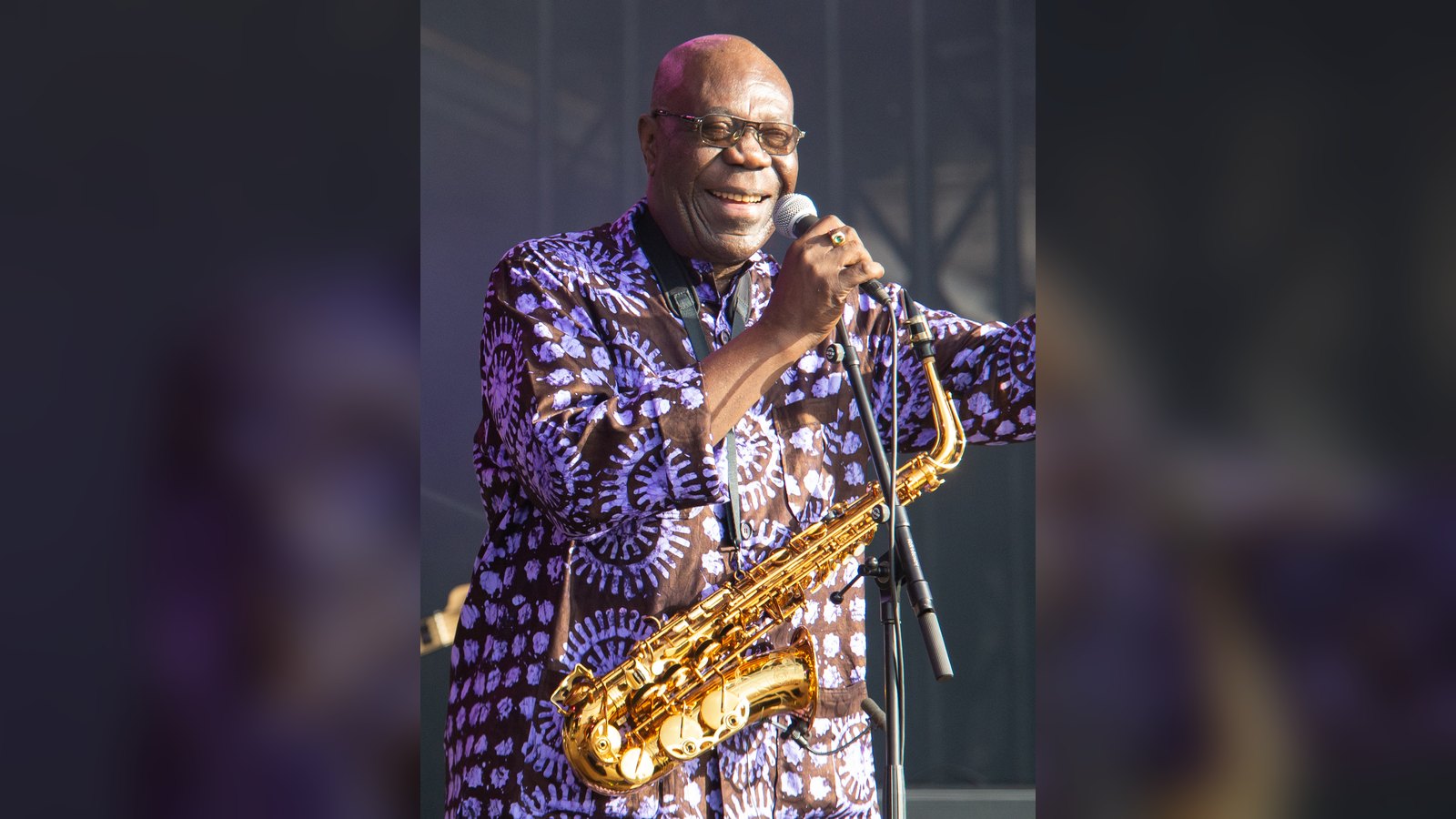
  • What Is a Dashiki and What It Means in African Culture

    What Is a Dashiki and What It Means in African Culture

    A dashiki is a loose, brightly coloured pullover shirt from West Africa, usually with a V-neck or round neck framed by an embroidered or printed panel. The word comes from Yoruba, which borrowed it from a Hausa phrase for a garment worn underneath. Today the dashiki stands for African pride, unity and heritage, on the continent and across the diaspora.

    Last updated: October 29, 2026

    OriginWest Africa
    Name fromYoruba, via Hausa
    TypeLoose pullover tunic
    Worn byMen and women
    Best-known printAngelina

    What Is a Dashiki?

    A dashiki is a tunic. You pull it over your head. There are no buttons down the front. It hangs loose from the shoulders and usually ends somewhere between the hip and the knee.

    Most dashikis share a few features:

    • A decorated neckline. Usually a V-neck, sometimes round, set inside a yoke of embroidery or a contrasting print.
    • A roomy, straight cut. Air moves freely, which matters in West African heat.
    • Short or long sleeves. Often wide, sometimes bell-shaped.
    • Side slits at the hem for movement.
    • Patch pockets on many modern versions, sewn onto the chest or lower front.

    The dashiki is unisex. Men wear it as a shirt with trousers. Women wear the same shirt, or longer cuts sewn into dashiki dresses. Children wear small versions at festivals and family events.

    Cotton is the classic fabric. It breathes, holds dye well and softens with washing. You’ll also find linen, cotton blends, and cheap polyester versions sold to tourists and online.

    Dashiki Meaning: Where the Word Comes From

    The meaning of dashiki starts with language. The English word comes from the Yoruba dàńṣíkí. Yoruba speakers took it from Hausa, where ɗan ciki roughly means “underneath” or “inner garment.”

    That origin tells you something important. In its home region, the dashiki was originally an under layer. It was a practical shirt you wore next to the skin, often beneath a larger robe.

    Among the Yoruba, a full men’s outfit can include three pieces. There is a wide flowing robe called the agbada, an inner shirt, and trousers called sokoto. The inner shirt sits in the same family as the dashiki. Over time, the “underneath” garment moved to the outside and became a statement piece on its own.

    English dictionaries only date the word to the late 1960s. That timing points straight at the garment’s second life in the United States, which we cover below.

    Myth

    Many people assume “dashiki” is a Swahili word because it became popular alongside Swahili terms during the 1960s Black Power era. It isn’t. The word is Yoruba, borrowed from Hausa, and both languages are spoken in West Africa, mainly Nigeria and its neighbours.

    History and Origin of the Dashiki

    Early tunics in West Africa

    Loose cotton tunics have a very long history in the West African savanna and Sahel. Some of the oldest surviving examples come from burial caves on the Bandiagara Escarpment in Mali. These caves are linked to the Tellem people, who lived there before the Dogon.

    Researchers studying textiles from the caves found cotton tunics dated to roughly the 11th and 12th centuries. They are not “dashikis” in the modern, printed sense. But they show the basic shape: a simple, sleeved pullover made from woven cotton strips. That shape is the ancestor of the shirts you see today.

    Trade, cotton and the Sahel

    Cotton spinning and strip weaving spread widely across the region. Long-distance trade routes linked Hausa city-states, Yoruba towns and Sahelian markets. Tunic styles moved along those routes too.

    That’s why so many West African cultures have a close relative of the dashiki. Each region shaped it differently. Some embroidered the neck heavily. Some used handwoven strip cloth. Some made it long and formal, others short and everyday.

    The colonial and industrial era

    In the 19th and 20th centuries, factory-printed cloth flooded West African markets. Dutch and British firms sold wax prints inspired by Indonesian batik. West African buyers made these cloths their own, choosing designs, naming them and wearing them with meaning.

    This is the moment the dashiki started looking like the one you probably picture. Bold, factory-printed cotton was cut and sewn into the old tunic shape.

    The 1960s: the dashiki crosses the Atlantic

    The dashiki’s biggest leap happened in the United States in the 1960s. Ghana’s independence in 1957 and a wave of African independence movements after it inspired Black Americans. Wearing African clothing became a way to say where you came from.

    A Harlem company called New Breed Clothing, founded in 1967 by Jason and Mable Benning along with Milton Clarke, Howard Davis and William Smith, is widely credited with popularising dashikis in America. Its founders marketed the shirt as Black-designed, Black-made clothing for a Black audience. The garment showed up on activists, students, musicians and TV dancers.

    The dashiki became a quiet political statement. It rejected the suit-and-tie dress code that mainstream America expected. It said: my heritage is African, and I’m proud of it. When Maulana Karenga founded Kwanzaa in 1966, dashikis and other African garments became part of how many families celebrated.

    The afterlife: from protest to pop culture

    The dashiki never really left. It faded from mainstream fashion in the late 1970s and 1980s, then kept coming back.

    Around 2015, the Angelina-print dashiki had a massive internet moment. It spread through social media, music videos and festival photos. Fast-fashion retailers copied it. Within a few years you could find it on everything from crop tops to sneakers.

    That boom started a debate that continues today, which we look at later in this article.

    Types of Dashiki Print

    Not every dashiki looks the same. The fabric and print say a lot about where it was made and what it’s for.

    Print or fabric What it looks like Where it comes from
    Angelina Symmetrical neck panel with ornate border, bold colours Industrial wax print, widely sold in Ghana and beyond
    Ankara (wax print) Large repeating patterns, often geometric or floral Factory-printed cotton, worn across West and Central Africa
    Adire Indigo blue with white resist-dyed patterns Yoruba tie-dye and starch-resist tradition, strongly linked to Abeokuta
    Kente-style print Woven-looking stripes and blocks in gold, green, red Printed imitation of Ghanaian kente cloth
    Bogolan (mud cloth) print Earth tones with white or black symbols Inspired by Malian bogolanfini
    Plain with embroidery Solid colour, detailed stitching at neck and cuffs Traditional tailoring, worn for formal events

    The Angelina print

    The Angelina is the print most people mean when they say “dashiki.” It has a striking panel around the neck that looks almost like a jewelled collar. The rest of the shirt carries matching borders.

    The design is credited to the Dutch wax-print company Vlisco. It is commonly said to draw on the embroidered necklines of traditional Ethiopian garments. In Ghana, the name “Angelina” is usually linked to a popular 1970s highlife song of the same name.

    So the most famous “African” dashiki print has a mixed story. It’s a European-manufactured cloth, inspired by East African embroidery, named after a West African song, and adopted worldwide. That mix is part of what makes it interesting.

    Embroidery versus print

    Traditional, formal dashikis often skip loud prints. They rely on embroidery instead. A tailor stitches intricate patterns around the neck, down the front and on the sleeves.

    Hand embroidery takes time and costs more. Machine embroidery is faster and cheaper. If you look closely at the back of the stitching, hand work tends to be slightly uneven. Machine work looks perfectly regular.

    The Details: How a Dashiki Is Made

    A tailor building a dashiki starts with a rectangle of fabric folded at the shoulders. The neck opening is cut, then finished with a facing or a contrasting yoke.

    The key details you’ll notice:

    1. The neckline. A V-neck is most common. Some styles use a keyhole or round neck. The yoke around it is the visual centre of the shirt.
    2. The sleeves. Set straight onto the body for a boxy fit, or angled for a more tailored look.
    3. The side seams. Left open at the bottom as slits.
    4. The pockets. Patch pockets are sewn on top of the fabric. A matching print on the pocket is a sign of careful cutting.
    5. The hem. Straight across, or curved. Longer hems are more formal.

    In Nigeria, Ghana and Senegal, many people still buy fabric at the market and take it to a tailor. You choose the print, the tailor takes your measurements, and you get a shirt that actually fits. Off-the-rack dashikis, especially online, are usually one loose size.

    How Dashikis Are Worn Across Africa

    The dashiki sits inside a wider family of West African clothing. Here are its closest relatives.

    Garment Region How it differs
    Agbada Yoruba, Nigeria A huge, flowing outer robe worn over an inner shirt and trousers
    Buba Yoruba, Nigeria A fitted top, worn by men and women, often in matching sets
    Babban riga Hausa, northern Nigeria and Niger A wide, heavily embroidered robe
    Boubou Senegal, Mali, Gambia A long, wide gown, often ankle-length
    Fugu (smock) Northern Ghana Handwoven strip cloth, thicker and heavier
    Kaftan Across North and West Africa Usually longer, often with a front opening

    In much of West Africa, the word “dashiki” is less common than these local names. Many Nigerians talk about native wear, a buba or a specific style name. “Dashiki” is more of a diaspora and international term.

    The occasions are wide. People wear these garments to weddings, naming ceremonies, funerals, church, mosque and Friday prayers. Matching outfits for an entire family or wedding party, called aso ebi among the Yoruba, show unity and belonging.

    You’ll also see native wear on stage and on the red carpet. Nigerian events like the Headies Awards regularly feature artists in traditional and tailored African outfits. The look carries into Afrobeats music videos too, where stars mix tunics, prints and streetwear.

    What the Dashiki Means Today

    Ask ten people about dashikis’ meaning and you’ll get overlapping answers. These are the main ones.

    Pride and identity

    For many Africans and people of African descent, a dashiki signals pride in heritage. It’s a visible link to a culture that colonialism and slavery tried to erase.

    Unity

    In the 1960s US, the dashiki said Black communities shared roots, whatever their politics. On the continent, matching prints at weddings and festivals express family and community unity.

    Celebration

    Dashikis are festive. They show up at Kwanzaa, Black History Month events, Juneteenth, graduations and cultural festivals. In West Africa, a crisp new outfit marks Eid, Christmas and big family days.

    Everyday comfort

    Don’t overlook the practical side. A loose cotton shirt is simply comfortable in hot weather. For many people in West Africa, a dashiki-style top is just clothing.

    Can Anyone Wear a Dashiki?

    This question comes up a lot, especially since the 2015 boom. Here is a clear position: yes, anyone can wear a dashiki, as long as you wear it with respect.

    The dashiki is not a sacred or ceremonial garment reserved for a specific rank. It’s everyday clothing that’s sold openly in African markets to anyone. Many African vendors and tailors are glad to dress visitors.

    Respect looks like this:

    • Buy from African makers and sellers when you can. Your money then supports the cultures behind the clothing.
    • Don’t wear it as a costume. A dashiki paired with a fake accent or a “tribal” party theme is mocking, not appreciating.
    • Know a little of the story. You don’t need a degree. Knowing it comes from West Africa and what it meant in the 1960s is enough to wear it thoughtfully.

    The criticism of fast fashion is fair. When big retailers mass-produce Angelina prints and sell them without credit, the original makers lose out. Buying from African-owned brands and tailors avoids that problem.

    How to Choose and Wear a Dashiki

    Picking a good one

    • Check the fabric. Real cotton feels soft and dry. Polyester feels slick and traps heat.
    • Look at the print alignment. On a quality shirt, the neck panel sits centred and the borders line up at the seams.
    • Inspect the embroidery. Tight, dense stitches last longer than loose ones.
    • Mind the size. Dashikis run loose by design. If you want a cleaner look, size down or have one tailored.

    Styling it

    For a casual look, wear a dashiki with jeans or chinos and simple sneakers. For a more traditional outfit, pair it with matching sokoto trousers and a kufi cap. Women often belt a dashiki dress at the waist, or wear a cropped dashiki with a wrap skirt.

    Let the shirt be the main event. If the print is loud, keep everything else plain.

    Caring for it

    Wash cotton dashikis in cold water, inside out, to protect the colour. Wax prints can bleed on the first few washes, so wash them separately. Hang them to dry out of direct sun. Iron on the reverse side, especially over embroidery.

    Listen next

    Play Fela Kuti’s “Lady” from the 1972 album Shakara. It’s a sharp, funny take on African identity and how people present themselves, and it pairs well with the dashiki’s story.

    FAQ

    What is a dashiki in simple terms?

    A dashiki is a loose, colourful pullover shirt from West Africa. It usually has a decorated V-neck or round neck and is worn by men and women.

    What does the word dashiki mean?

    It comes from the Yoruba dàńṣíkí, borrowed from the Hausa ɗan ciki, which roughly means “underneath.” It originally referred to a garment worn under a larger robe.

    Which country does the dashiki come from?

    The dashiki comes from West Africa. The word is Yoruba and Hausa, so it’s most closely tied to Nigeria and neighbouring countries, though similar tunics are worn across the region.

    Is the Angelina print traditional?

    Not in the ancient sense. The Angelina is a 20th-century industrial wax print credited to the Dutch company Vlisco, said to be inspired by Ethiopian embroidery. West Africans adopted it, and it became the best-known dashiki print in the world.

    Is it cultural appropriation to wear a dashiki?

    Wearing a dashiki respectfully is generally welcomed. Buy from African makers where possible, skip costume-style outfits, and learn a little of its history.

    What do you wear with a dashiki?

    Matching trousers and a kufi cap give you a traditional look. Jeans or chinos make it casual. Women often wear dashiki dresses or pair a dashiki top with a skirt.

    What is the difference between a dashiki and a kaftan?

    A dashiki is usually shorter, around hip to knee length, and pulls over the head. A kaftan is typically longer, sometimes ankle-length, and may open at the front.

  • Scorpion Kings: The Kabza De Small and DJ Maphorisa Story

    Scorpion Kings: The Kabza De Small and DJ Maphorisa Story

    Scorpion Kings is the joint name of two South African producers, Kabza De Small and DJ Maphorisa. Since their 2019 debut EP, the duo has turned township amapiano into an arena-filling sound. Here is how the partnership works, what to play first, and where each man’s solo catalogue fits.

    Last checked: October 29, 2026.

    FromMpumalanga and Pretoria, South Africa
    GenreAmapiano
    Breakout2019
    MembersKabza De Small, DJ Maphorisa

    Who are the Scorpion Kings?

    Scorpion Kings is a duo with two strong solo careers behind it.

    Kabza De Small (born Kabelo Petrus Motha) is the producer and DJ most often credited with shaping amapiano’s modern sound. He builds long, patient tracks around rolling log-drum basslines and jazzy keys. He runs his own imprint, Piano Hub.

    DJ Maphorisa (born Themba Sonnyboy Sekowe, from Soshanguve) came up through house music. His early profile came with the group Uhuru. He later picked up international production credits, including Major Lazer’s “Particula.” He runs Blaq Boy Music.

    Together they play to their strengths. Kabza brings the deep amapiano groove. Maphorisa brings a hitmaker’s ear for hooks and features.

    Career timeline

    Year Moment
    2019 Debut album Scorpion Kings lands and spreads fast across South African clubs
    2019 The Return of Scorpion Kings follows within months
    2020 Kabza drops his solo epic I Am the King of Amapiano: Sweet & Dust
    2021 Rumble in the Jungle, a joint project with Congolese-South African singer Tresor
    2025 Scorpion Kings Live returns, billed as “with friends”

    We have not confirmed the 2026 touring or release plans. We will update this page once they are announced.

    The live shows

    Scorpion Kings Live has grown into a brand of its own. It works like a showcase as well as a DJ set. The duo shares the stage with the vocalists who sing on their records. That is why the 2025 edition carried the “with friends” tag. Official aftermovies and long live mixes, some running well over an hour, keep the shows circulating after the night ends.

    Best songs to start with

    • “Emcimbini”: the slow-burning anthem from the first wave
    • “Abalele”: a vocal-led favourite that shows their softer side
    • “Akulaleki” (Samthing Soweto, featuring the duo and Mlindo The Vocalist): proof of how well they lift a singer

    Listen next

    Play Kabza De Small’s I Am the King of Amapiano: Sweet & Dust to hear the solo sound that anchors the duo.

    Featured on

    Much of the Scorpion Kings’ reach comes from feature credits on other artists’ songs. “Akulaleki” is the best example. Expect to find their names in the “feat.” line across South African charts, not only on their own albums.

    More by Kabza De Small

    Kabza’s solo work runs longer and deeper. I Am the King of Amapiano: Sweet & Dust (2020) is his best-known solo album. His KOA II series continued the “King of Amapiano” theme.

    More by DJ Maphorisa

    Maphorisa’s catalogue is wider in genre. It covers house, pop crossovers and collaborations with Tyler ICU on tracks like “Banyana.”

    Myth

    The claim: the Scorpion Kings invented amapiano. The facts: the sound grew in Gauteng’s townships years before their 2019 debut. What they did was scale it, with polished albums and stadium-sized shows.

    Amapiano often gets lumped in with afrobeats music. It is a separate sound, rooted in South African house rather than Nigerian pop.

    FAQ

    Who are the Scorpion Kings?

    They are Kabza De Small and DJ Maphorisa, two South African producers who record and perform together.

    What genre do the Scorpion Kings make?

    Amapiano, a South African style built on log-drum bass, piano and deep house rhythms.

    What is the first Scorpion Kings release?

    Scorpion Kings, an EP released in 2019.

    Do they still release solo music?

    Yes. Both keep active solo catalogues alongside the duo’s joint projects.

  • Burna Boy reportedly first Nigerian artist to present a Ballon d’Or award

    Burna Boy reportedly first Nigerian artist to present a Ballon d’Or award

    Burna Boy walked onto football’s grandest stage and handed Arsenal forward Bukayo Saka the 2026 Sócrates Award at the Ballon d’Or ceremony in London, according to Pulse Nigeria and Arise News. Several Nigerian outlets are calling it a historic first for a Nigerian artist, though that label rests on media framing rather than any official record.

    PresenterCONFIRMED (B), Pulse Nigeria and Arise News report Burna Boy presented the Sócrates Award to Bukayo Saka
    Venue and dateCONFIRMED (B), Pulse Nigeria and Arise News place it at the Palladium Theatre, London, on October 26, 2026
    Academy dreamCONFIRMED (B), Pulse Nigeria and Arise News report Burna Boy hopes an academy player wins a Ballon d'Or
    "First Nigerian artist" labelRUMOR (C), framing from PM News, New National Star, allAfrica and DancehallMag, with no organiser statement

    What we know

    Pulse Nigeria and Arise News, the latter with a Getty-style picture caption, both report that Burna Boy presented the 2026 Sócrates Award to Saka. The ceremony took place at the Palladium Theatre in London on October 26, 2026.

    That night marked the 70th Ballon d’Or. It was also the first time the ceremony has been held in London, as confirmed by UEFA and the official Ballon d’Or website.

    Before handing over the trophy, Burna Boy spoke about the football academy he set up in Nigeria a few years ago. Pulse Nigeria and Arise News report that he said he dreams of a footballer from that academy one day winning a Ballon d’Or. For a Grammy-winning artist, that is a long-game ambition, and a telling one.

    The Sócrates Award itself is young. France Football established it in 2022 in collaboration with Peace and Sport to honour footballers’ social and humanitarian work. Sadio Mané was its first winner in 2022, and Jenni Hermoso took it in 2024. Saka now joins that list, with an Afrobeats heavyweight doing the honours.

    What is rumored

    The headline claim, that Burna Boy is the “first Nigerian artist” ever to present an award at the Ballon d’Or, comes from Nigerian outlets and aggregators: PM News, New National Star, allAfrica and DancehallMag, the latter surfaced through Ground News. We grade this C. These are mainstream outlets, but they largely repeat each other.

    We found no statement from France Football or the Ballon d’Or organisers calling this a first, and no independent check of who presented at past ceremonies. The distinction matters: other Nigerian artists have reportedly performed at Ballon d’Or events, and performing is not the same as presenting. Until someone checks the record, treat “first” as a media framing, not a fact.

    What we don’t know yet

    Organisers have not said whether Burna Boy is the first Nigerian presenter in the ceremony’s history.

    Adekunle Gold’s presence also needs care. Our brief describes him attending in black-tie style, but none of our graded sources confirm his 2026 appearance or what he wore. Nigerian outlets Legit.ng and Trickle Media reported that he attended the 2025 Ballon d’Or in Paris on September 22, 2025, which would make any 2026 appearance a return visit rather than a debut. Those outlets sit outside our approved source list, so we flag it rather than lean on it.

    Burna Boy has not shared further details about the academy in the reporting we have, so its size, location and player pathway remain unclear.

    What it means

    Whatever the record books eventually say, the image lands. In 2021, Burna Boy and Wizkid released a track called “Ballon d’Or,” and DancehallMag, via Ground News, frames this appearance as a full-circle moment for that song. Hard to argue with the poetry: the man who rapped about football’s top prize ended up on stage at the ceremony itself.

    It also says something about where Afrobeats now sits. Nigerian stars are no longer just the soundtrack in the stadium or the playlist in the dressing room. They are being handed the microphone at football’s most prestigious night.

    The academy comment may be the part that lasts longest. A presenter slot is one evening. A pipeline from a Nigerian academy to a Ballon d’Or podium would be a generational story, and Burna Boy just told the world that is the goal.

    Follow every development in one place on our African music awards hub.