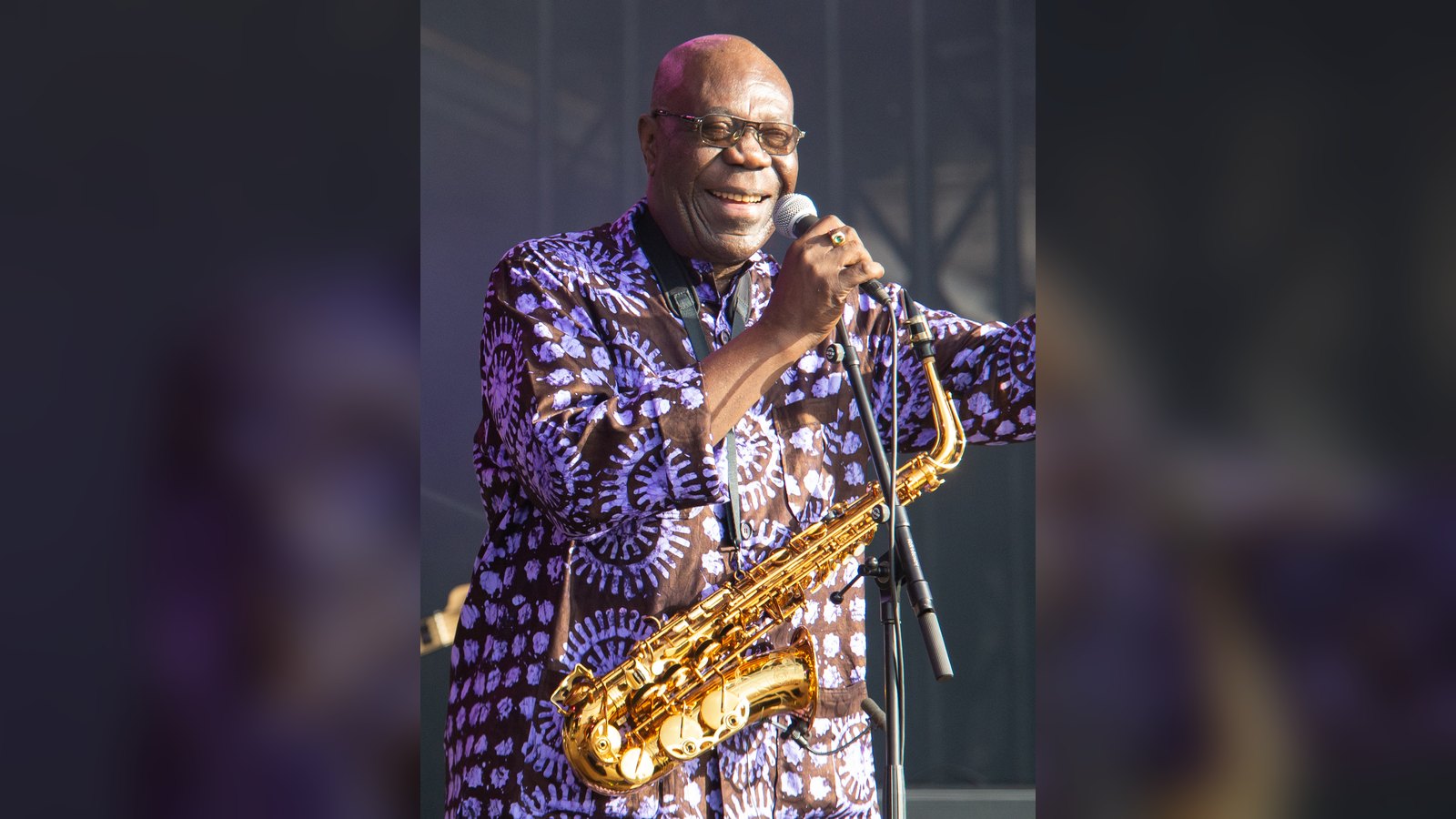
Soul Makossa is a 1972 song by Cameroonian saxophonist Manu Dibango that started as a throwaway B-side and became one of the most borrowed grooves in pop history. Its chant, “mama-ko, mama-sa, ma-ma-ko-ssa,” travelled from Douala to New York dance floors, then into Michael Jackson’s Thriller and Rihanna’s catalogue.
Last updated: October 29, 2026
The story behind the Soul Makossa song
In 1972 Cameroon hosted the Africa Cup of Nations. Dibango, then based in Paris, was asked to record an anthem for the tournament. That anthem was the A-side. For the flip side he cut a loose, funk-heavy jam built on makossa, the urban dance music of Douala. He called it Soul Makossa.
The anthem faded. The B-side didn’t. Copies reached New York, where DJ David Mancuso played it at The Loft, his invitation-only party. Radio picked it up, and demand outran supply so badly that rushed cover versions appeared before the original was easy to buy. Atlantic Records licensed it, and in 1973 the song climbed to No. 35 on the Billboard Hot 100. For an instrumental-leaning track from a Cameroonian artist sung partly in Duala, that was close to unheard of.
What “makossa” means
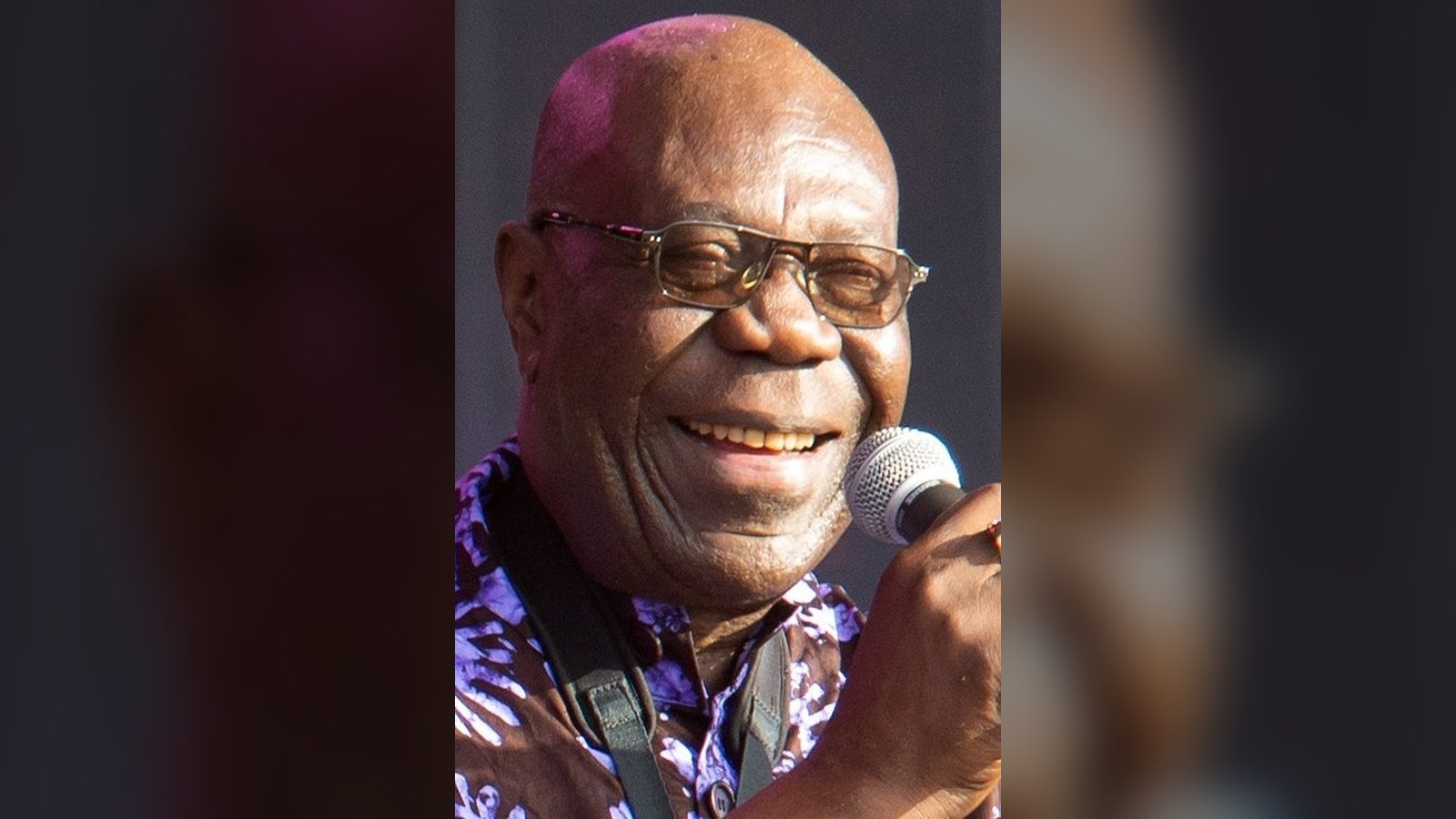
The word comes from the Duala language of coastal Cameroon and roughly means “dance.” The title fuses that with American soul, which describes the record well: Douala rhythm, a tight funk bassline, and Dibango’s saxophone riding over the top. The lyrics are minimal. Beyond the famous chant you hear a few spoken Duala phrases and exclamations, which is part of why it worked on dance floors where nobody spoke the language.
Why it changed global pop
You can trace a straight line from Soul Makossa to disco. Its long, repetitive groove and party energy arrived just as New York’s underground club scene was taking shape, and many historians count it among the first disco records.
The bigger legacy is the chant. In 1982 Michael Jackson used a reworked version of it in “Wanna Be Startin’ Somethin’,” the opening track on Thriller. Dibango had not been credited, and the dispute was settled out of court. Twenty-five years later Rihanna’s “Don’t Stop the Music” (2007) used the Jackson section, which put the chant back on charts worldwide. Dibango took legal action in France in 2009.
Myth
Plenty of listeners assume Michael Jackson wrote the “mama-say, mama-sa” chant. He didn’t. It comes from Dibango’s 1972 recording, a decade before Thriller.
If you know Jackson mainly through his work with the singers in USA for Africa, hearing Soul Makossa first is a useful reminder of how much African music fed his sound.
Soul Makossa and modern African pop
Dibango proved that an African record could break the US market on its own terms, without translating itself for American ears. That idea runs underneath today’s afrobeats music boom, where Nigerian and Ghanaian stars chart in the US and UK singing in Pidgin and Yoruba. The 1970s were full of similar cross-pollination: Ethio-jazz, a high point in the music of Ethiopia, was mixing local scales with funk and jazz at the same moment.
Dibango kept recording and touring for almost five more decades. He died in Paris on March 24, 2020, aged 86, after contracting COVID-19.
Listen next
Play Fela Kuti’s “Water No Get Enemy” to hear Lagos funk from the same era.
FAQ
Who sang Soul Makossa?
Manu Dibango, the Cameroonian saxophonist and bandleader, wrote and recorded it in 1972.
What chart position did Soul Makossa reach?
It peaked at No. 35 on the Billboard Hot 100 in 1973 after Atlantic Records picked it up for US release.
Did Michael Jackson sample Soul Makossa?
Jackson reworked its chant at the end of “Wanna Be Startin’ Somethin’” (1982). Dibango was not credited at first, and the matter was settled out of court.
What language is Soul Makossa in?
The few spoken lines are mostly Duala, a language from the Douala region of Cameroon. The chant itself is built from the word “makossa.”